Wisconsin Farmers Explore Grazing Options to Reduce Costs and Improve Soil Health
Wedoany.com Report on Mar 16th, Adam Abel, a consultant with the Natural Resources Conservation Service (NRCS) in Wisconsin, says more farmers are looking to grazing to lower operating costs and improve soil quality.
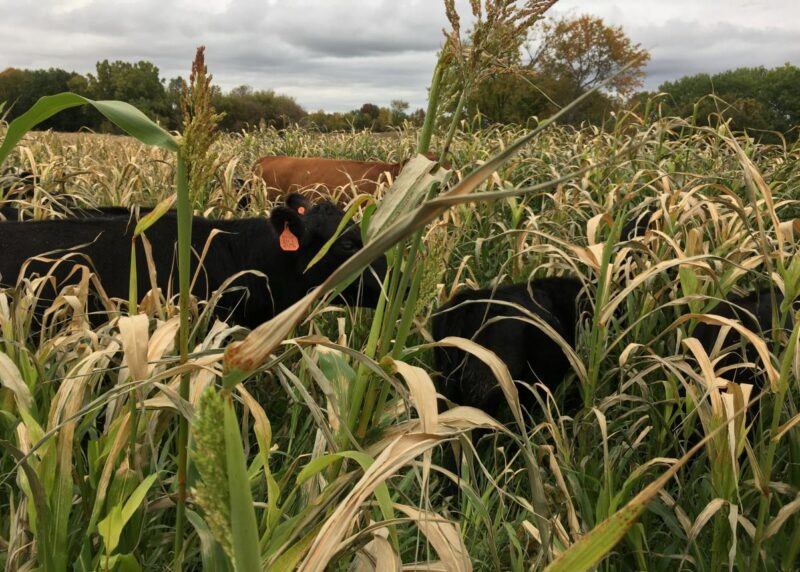
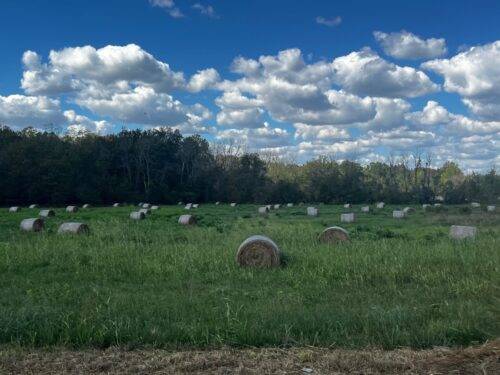
Adam Abel, the state grazing land specialist for NRCS, notes that many producers are in line for grazing plans. He tells Brownfield, "There are a lot of people interested in grazing plans, and we're working with conservation offices to make sure every county has a grazing specialist." He emphasizes that rotational grazing offers significant economic benefits and suggests viewing it as an alternative method for obtaining high-quality feed, saving time and money on mechanical operations by having animals harvest it directly.
Abel mentions that dairy farms of various sizes are looking into how rotational grazing can reduce heifer raising costs. He says, "Heifers are the second largest expense for Wisconsin dairy farms. Grazing can significantly cut these costs over six months, providing direct benefits to producers." Research shows that properly implemented grazing systems in Wisconsin, Minnesota, Illinois, Vermont, and New York do not reduce yields and can meet all the benchmarks of confinement systems.
Abel also states that some herds in Wisconsin can still graze for much of the winter, further saving on costs. He says, "Combined with effective management, grazing can bring environmental benefits, reduce labor, and increase profits." Farms with grazing plans typically achieve at least a 50% reduction in production costs related to animal management for at least six months.
Although USDA layoffs have reduced the number of grazing specialists, Abel reveals that the Wisconsin Grazing School is training new partners and interns to provide the guidance farmers need. He says, "This way we can deploy professionals to help farms start or transition to grazing operations." Abel shared these insights during an interview at the Mid-State Technical College farm near Marshfield, Wisconsin.
Related Products



Industrial and Commercial Point-Type Gas Detector
Jinan Benan Technology Development Co., Ltd.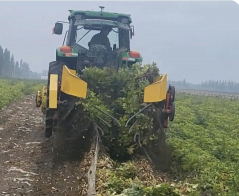
4HS-8 High-efficiency Peanut Inverted-laying Harvester
Hebei Yongfa Hongtian Agricultural Machinery Manufacturing Co., Ltd.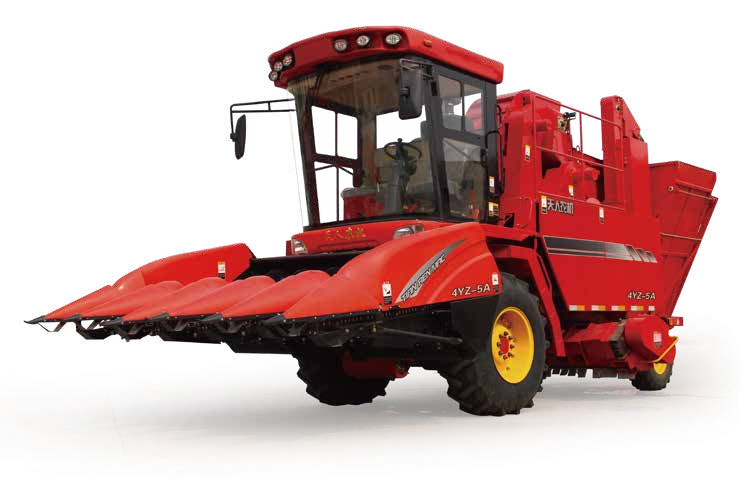
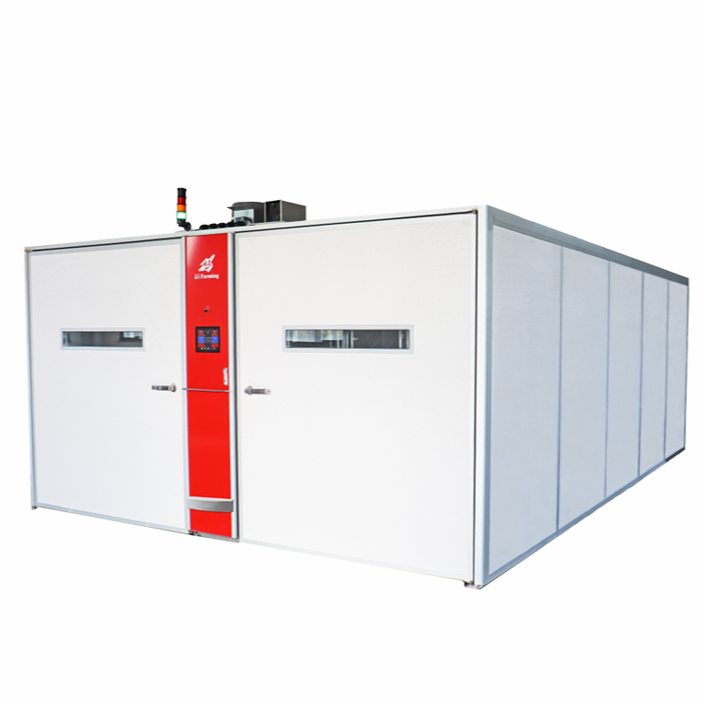


714CD Series C-Band Weather Radar
Chengdu Zhongdian Jinjiang Information Industry Co., Ltd.