Wedonay.com Report on Mar 18th, Global wood fiber and forestry group Sappi and WWF South Africa have established a multi-year partnership since 2021 to advance water management projects in the uMkhomazi catchment of KwaZulu-Natal. This collaboration aims to secure bioeconomy resilience through proactive catchment governance and has achieved significant results.
Project achievements include clearing 191 hectares of invasive alien plants, improving grazing management on over 2,300 hectares, deploying citizen scientists to collect water quality data, and identifying 20,000 hectares for biodiversity protection. These water stewardship measures not only restore ecosystems but also support sustainable economic activities.
Graeme Wild, CEO of Sappi Southern Africa, stated: "True water security requires effective water stewardship—the active governance and restoration of ecosystems that provide water for mills, farms, cities, and citizens." He emphasized that South Africa's water security and biodiversity risks demand collective action and reliable partnerships.
Pavitray Pillay, Executive Head of Business Development and Marketing at WWF South Africa, noted: "Securing South Africa's strategic water source areas and achieving the global biodiversity framework goal of protecting 30% of terrestrial and marine landscapes by 2030 can only be realized through strong partnerships like that between WWF and Sappi." She added that private sector collaboration is crucial for creating lasting impact.
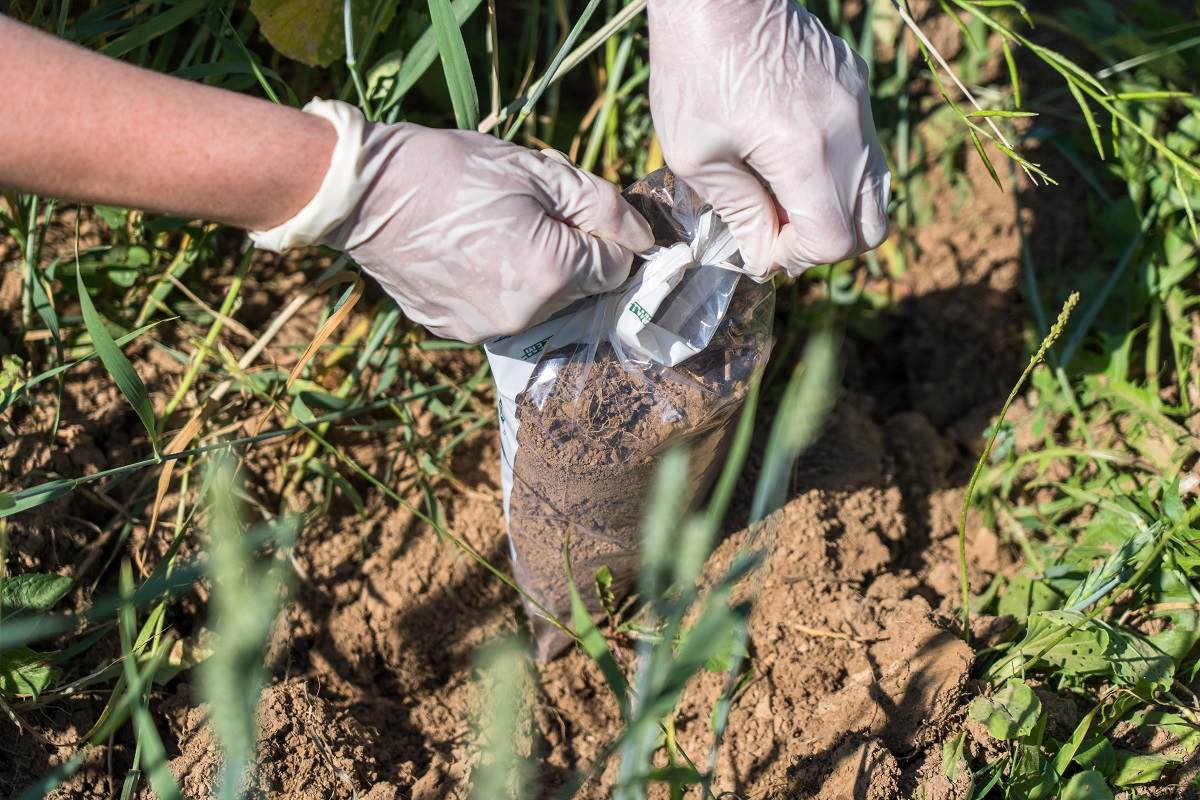
The partnership also includes a bioturbation trial in iNzinga, where livestock naturally break up compacted soil to improve nutrient cycling and water infiltration, restoring the landscape's ability to function as a natural reservoir. Concurrently, a new biodiversity management strategy is being developed in collaboration with Conservation Outcomes and Ezemvelo KwaZulu-Natal Wildlife.
The water stewardship projects have created employment opportunities in rural South Africa. Statistics South Africa data shows an increase in skilled agricultural workers between 2024 and 2025, highlighting the employment potential in the agriculture and agro-processing sectors. Wild concluded that as a water-scarce country, South Africa needs to work with credible partners to meet future water challenges.