A.M. Custom Clothing Research Shows: Global Brands Shift to Sustainable Fabrics, Demand for Recycled Clothing Increases by 76%
Wedoany.com Report on Mar 18th, According to the latest research from A.M. Custom Clothing, the fashion industry is undergoing a sustainable transformation. Data shows that demand for recycled clothing has increased by 76% year-on-year, while the use of organic cotton still remains seven times higher than that of recycled materials, indicating that brands are taking a more comprehensive approach to fabric selection.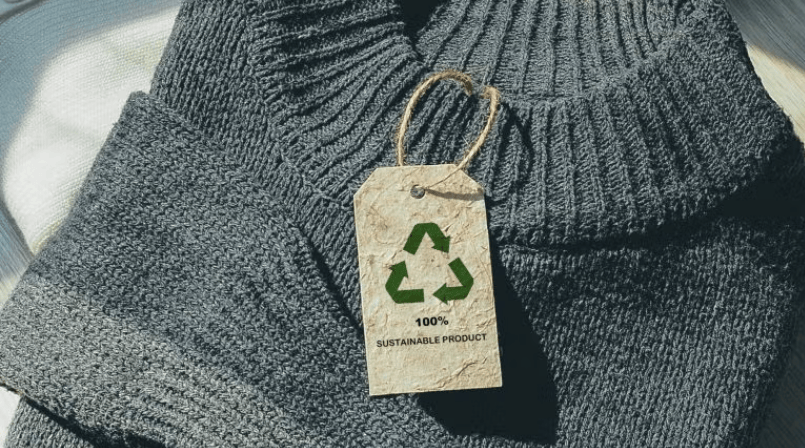
In 2026, sustainability has once again become a focal point in the fashion industry, with environmental, social, and governance (ESG) pressures driving brands to reduce their reliance on fast fashion. Google Trends reports that searches for "sustainable fashion" have reached a five-year peak, with an increase of 222%, while searches for "sustainable brands" have also risen by over 50%, reflecting a significant surge in consumer interest.
In addition to recycled fibers, various plant-based materials have shown strong growth over the past five years. From 2020 to 2025, the use of linen increased by 73%, viscose rose by 54%, and lyocell grew by 42%. These materials are considered low-impact alternatives, often requiring less water and being biodegradable, which helps reduce long-term environmental impact.
However, the research emphasizes that shifting to more sustainable materials is not a simple one-to-one replacement. Brands are increasingly focusing on selecting fabrics based on garment performance, durability, and environmental certifications. Despite the surge in demand for recycled materials, organic cotton remains the most widely used sustainable fiber at present.
Other fibers are also gaining attention for their functional properties. Breathable materials like linen and viscose are often used in warm-weather clothing and hotel uniforms, while recycled polyester is utilized in areas requiring elasticity, water resistance, or quick-drying properties, such as sportswear and technical workwear.
Alex Franklin, co-founder of A.M. Custom Clothing, stated: "We are seeing a clear shift in expectations around sustainable fashion. Brands are thinking more seriously about circularity: not just how clothing is made, but also how long it lasts and how it performs, so wearers can enjoy them with a clearer conscience.
"Cotton remains the most widely used sustainable material because it fits into existing supply chains and carries recognizable certifications like organic and fair trade. Its sourcing is also easier for brands to communicate, extending the garment's lifespan through established recycling and reuse processes. As for recycled fabrics like polyester (RPET), their water-resistant and quick-drying properties are finding their place as sustainable alternatives in performance-oriented areas like sportswear and technical workwear.
"Brands can take a step in the right direction by balancing these two types of sustainable materials to create a thoughtfully curated clothing collection. Sustainable fashion isn't about replacing one material with another—it's about choosing the right fabric for the wearer to look, feel, and perform at its best."