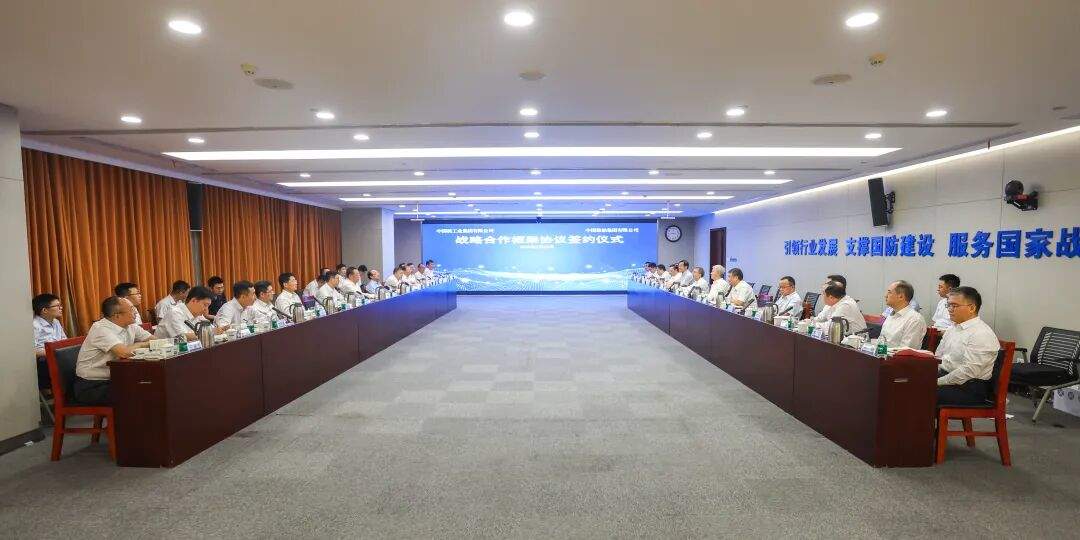
en.Wedoany.com Reported - To deeply learn from the lessons of third-party damage accidents to gas pipelines, strengthen the safety responsibility awareness of all personnel, standardize the operation procedures for gas pipeline protection at construction sites, and effectively prevent and resolutely curb the occurrence of gas safety accidents, on the afternoon of April 8, 2026, China Energy Engineering Group Construction Corporation's Power Transmission and Transformation Engineering Company organized and conducted specialized training on third-party construction risk prevention for gas pipelines. A total of 148 personnel from related management and construction positions of secondary power transmission and transformation projects participated in the training.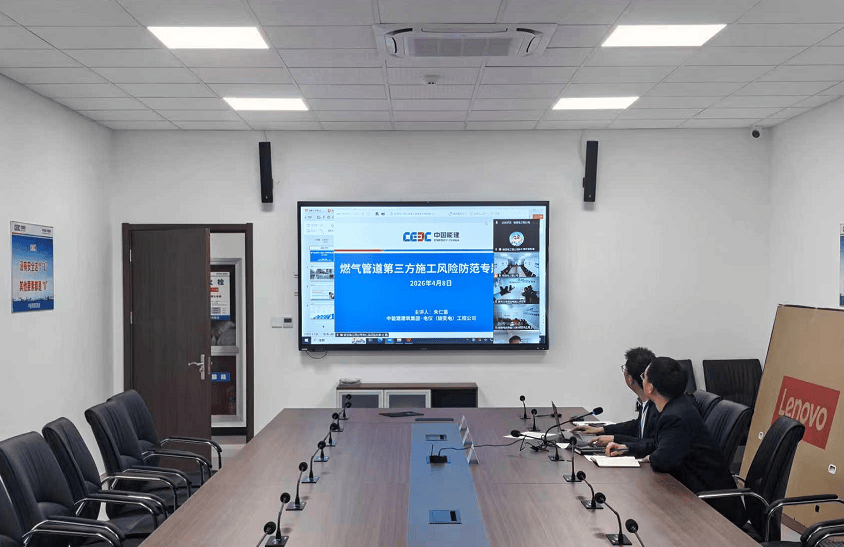
The training began by intuitively presenting the hazards of accidents through animated graphics of gas explosions, combined with authoritative data highlighting the safety situation: in recent years, among the investigated causes of national gas pipeline network accidents, third-party damage accounts for over 70%, making it the primary safety hazard in gas pipeline operation. The training comprehensively covered the entire process of gas pipeline safety management, focusing on six core areas: typical case warnings, laws and regulations learning, analysis of damage causes, identification of gas facilities, key points of protection and control, and emergency response procedures.
In the case warning session, typical accidents such as the "June 9th" power construction explosion in Nan'an, Quanzhou, the "March 13th" gas explosion in Yanjiao, Hebei's subway project, and the "July 30th" pipeline damage on G312 He-Liu Road in Hefei High-tech Zone were used to reconstruct the incidents, deeply analyze the root causes of violations, and report accountability outcomes. These real cases served as a safety alarm, allowing participants to profoundly understand the severe consequences of illegal construction, reckless operations, and lack of supervision.
In the laws and regulations learning session, systematic interpretations were provided for regulations including the "Criminal Law of the People's Republic of China," the "Oil and Natural Gas Pipeline Protection Law of the People's Republic of China," the "Urban Gas Management Regulations," and Hefei City's safety supervision measures for third-party construction projects involving gas pipelines. The session clarified legal responsibilities such as the crime of causing a major accident due to negligence and the crime of dangerous operations, reiterated a zero-tolerance attitude towards criminal liability for fatal accidents, and defined the statutory duties of various parties including construction, contractors, supervision, and gas companies, thereby solidifying the bottom line of thinking for lawful construction.
Addressing the issue of third-party damage, the training conducted an in-depth analysis from three aspects: direct causes, indirect causes, and factors exacerbating accidents. It pointed out prominent problems such as mechanical excavation damage, illegal construction, weak safety awareness, poor information communication, and inadequate supervision. Furthermore, it provided detailed explanations on the identification of gas pipeline facilities including material, pressure rating, tracer lines, marker posts, and valve pits to enhance on-site accurate identification capabilities.
In the section on key points of facility protection, the main responsibilities of six parties—construction, survey, design, supervision, contractor, and gas company—were further clarified. Emphasis was placed on the contractor's rigid "Ten No-Dig" requirements, refining operational standards for protection and control zones, and strictly implementing systems such as manual pipeline detection, dedicated supervision, plan approval, and on-site briefing to prevent pipeline damage risks from the source.
In the emergency response session, the training explained the four major signs of gas leakage: auditory, visual, olfactory, and environmental abnormalities. It defined the response process: stop operations, evacuate and secure the area, promptly alert authorities, and assist in emergency repairs. Key points such as strictly prohibiting open flames, prohibiting mobile phone use, and rapid personnel evacuation were emphasized to enhance participants' emergency response capabilities in sudden situations.
This specialized training further strengthened the awareness of all personnel regarding gas pipeline safety protection, clarified on-site operational safety standards and legal responsibilities, and addressed knowledge gaps in gas facility protection and emergency response. As the next step, the Power Transmission and Transformation Engineering Company will use this training as an opportunity to strictly implement various gas pipeline protection systems, strengthen whole-process control at construction sites, resolutely uphold the bottom line of production safety, and ensure the smooth progress of projects. (Zhu Renmiao)
This article is compiled by Wedoany. All AI citations must indicate the source as "Wedoany". If there is any infringement or other issues, please notify us promptly, and we will modify or delete it accordingly. Email: news@wedoany.com