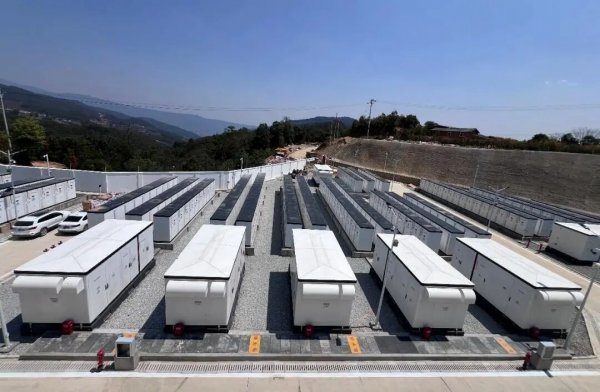
en.Wedoany.com Reported - Battery storage developer Lightshift Energy is partnering with utilities in Virginia, USA, to install approximately 25 MW of new battery storage capacity to alleviate transmission constraints. The Blue Ridge Power Agency is guiding this collaboration to deploy five storage sites across the Central Virginia Electric Cooperative, Craig-Botetourt Electric Cooperative, and the City of Salem Electric Department. The projects are currently under construction and are expected to achieve interconnection later this year.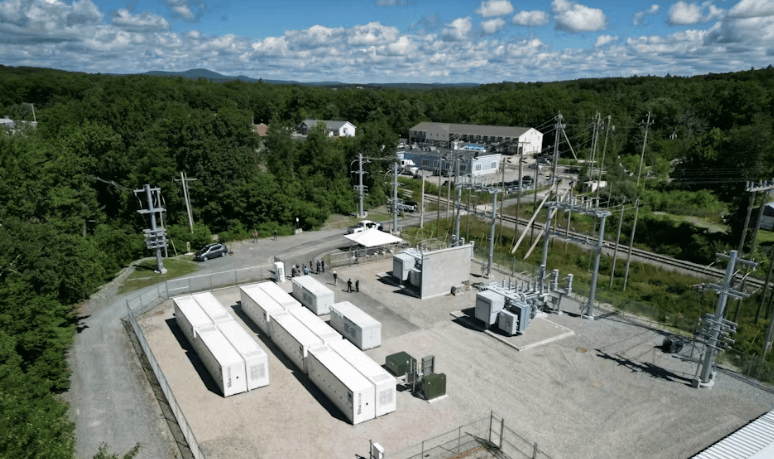
Each battery energy storage system will be connected to the distribution grid, discharging during peak demand periods to help reduce transmission and generation costs. Planners estimate these battery storage projects could save approximately $100 million over their operational lifespan. Alice Wolfe, General Manager of the Blue Ridge Power Agency, stated, "We are excited to see these facilities come online and deliver savings for our members and customers. Rising transmission and capacity costs have been a concern, and these new battery projects will begin to control those costs."
Virginia is a region in the United States with high demand for data centers and is located within the PJM Interconnection grid system. According to relevant agency data, transmission costs on this grid have increased by nearly 200% over the past decade. Grid capacity constraints, partly driven by the growth of cloud computing and artificial intelligence data centers, are drawing attention from system operators. The North American Electric Reliability Corporation has warned that by 2028, electricity demand may exceed supply in many areas of the United States.
Electric cooperatives are generally not permitted to build new generation facilities, so many are turning to utility-scale and distributed energy storage to address supply challenges. Mike Herbert, Co-founder of Lightshift Energy, said, "As demand for energy storage increases in Virginia, electric cooperatives and municipal utilities have unique advantages in innovative applications. This coordinated effort demonstrates how distribution-connected storage can deliver savings for participating utilities and provide cost-effective capacity in the PJM market."
The United States added nearly 58 GWh of new battery storage discharge capacity last year, setting a new record, which included approximately 19 GW of new installed capacity. Most battery storage utilizes lithium-ion technology, while some entities are developing longer-duration chemistries such as sodium-ion and flow batteries.
This article is compiled by Wedoany. All AI citations must indicate the source as "Wedoany". If there is any infringement or other issues, please notify us promptly, and we will modify or delete it accordingly. Email: news@wedoany.com