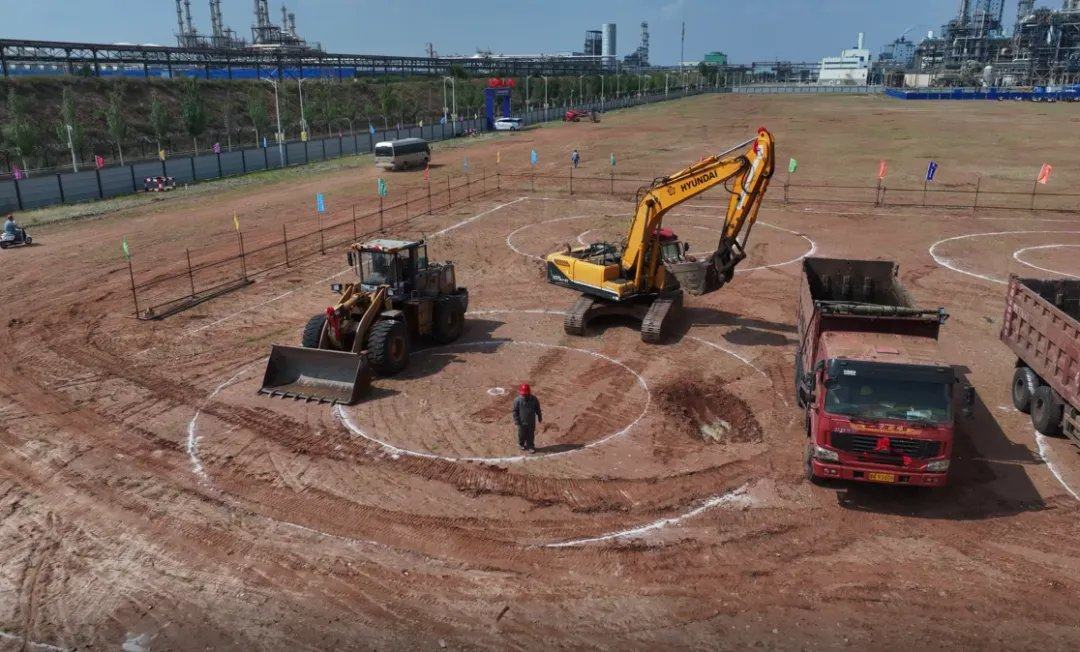
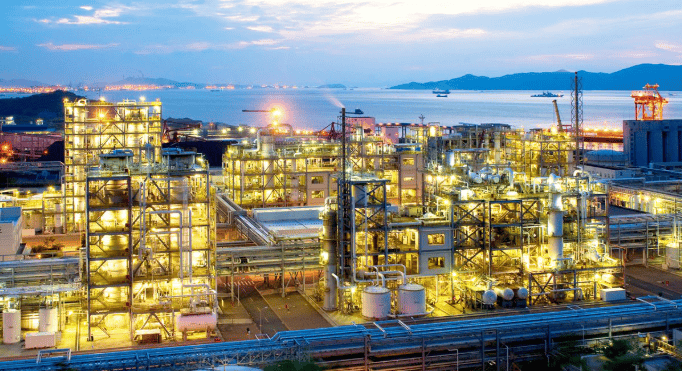
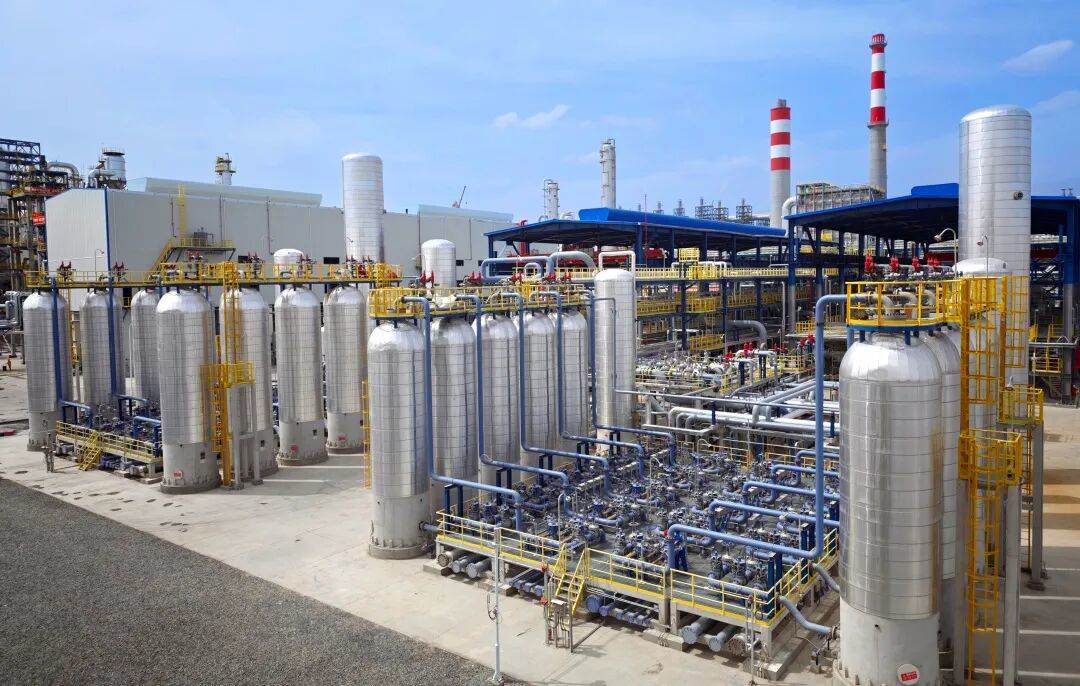
en.Wedoany.com Reported - Rotterdam, Netherlands, is about to welcome a new chemical recycling plant, planned and constructed by WPU, with an expected annual processing capacity of 80,000 tons of post-consumer end-of-life plastics. This project will increase WPU's total recycling capacity to 100,000 tons per year, making it one of the larger chemical recycling facilities for end-of-life plastics in Europe.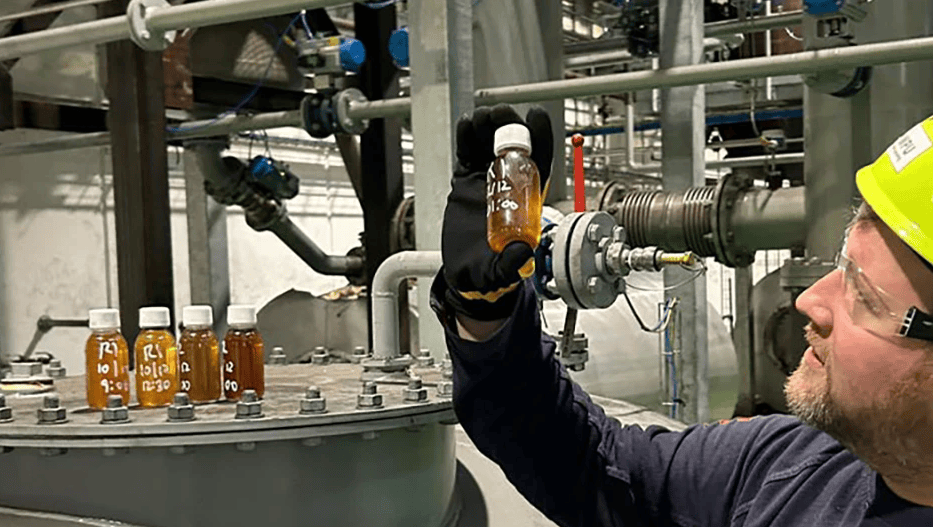
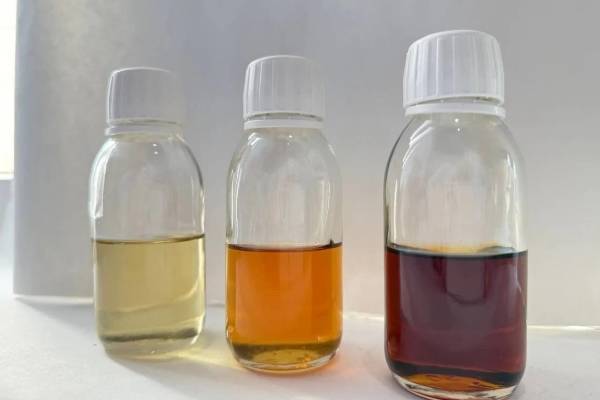
The facility will employ WPU's proprietary batch pyrolysis technology to convert end-of-life plastics into pyrolysis oil. This circular feedstock can be used to produce circular chemicals, intermediates, and new plastics, with a carbon intensity lower than that of fossil-based naphtha. The launch of this project comes at an opportune time, as demand for circular feedstocks grows in Europe and policies support higher recycling content and decarbonization of the petrochemical value chain.
Jeffrey van Geloof, CEO of WPU and Managing Director of VPR, stated: "This project will mark a significant milestone in WPU's growth. Building on the operational experience we have gained in Denmark, it will substantially expand our recycling capacity and represent the next step in scaling our technology for the European market."
WPU's pyrolysis technology is already in use at its plant in Farevejle, Denmark, with an annual recycling capacity of 20,000 tons. Currently operating near full capacity, this plant serves as a stable supplier to customers. WPU is one of the early companies to deploy plastic pyrolysis for processing end-of-life plastics at a commercial scale.
Tom Baker, Global Head of Naphtha and Head of Middle East at Vitol, said: "We are delighted to take this important step towards a scalable circular economy in plastics. Such projects will help address the plastic waste issue, expand the availability of alternative feedstocks for the petrochemical industry, and reduce the overall carbon intensity of plastic manufacturing. Located next to VPR in Rotterdam, the facility will be well-positioned to connect its recycled output with existing industrial infrastructure and end markets."
The new plant will utilize advanced furnace technology designed to reduce emissions and energy consumption. Similar technology has been deployed at Vitol's Rotterdam refinery, VPR, resulting in a 50% reduction in NOX emissions, an 80% reduction in SO2 emissions, and a 40% decrease in energy consumption, making VPR one of the more energy-efficient refineries in Europe.
The project still requires relevant regulatory approvals and will undergo comprehensive stakeholder consultation.
This article is compiled by Wedoany. All AI citations must indicate the source as "Wedoany". If there is any infringement or other issues, please notify us promptly, and we will modify or delete it accordingly. Email: news@wedoany.com