Germany's Lufthansa Calls on EU to Relax Three Regulations to Mitigate Summer Fuel Shortage Risks
en.Wedoany.com Reported - Germany's Lufthansa Group CEO Carsten Spohr, during the group's first-quarter earnings call in Frankfurt on May 6, 2026, called on the European Commission to relax three regulations as a risk precaution against potential aviation fuel shortages this summer.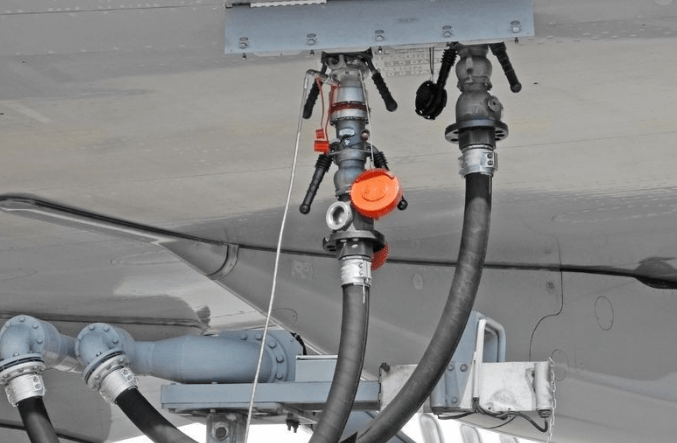
The three specific measures proposed by Spohr include:
First, approving the import of "Jet-A" type aviation fuel from the United States to replace the Jet-A1 fuel currently required in Europe. Spohr explained that currently imported Jet-A fuel "must undergo a refining process for every ton" to be upgraded to Jet-A1, and "this is a step we can skip," allowing refining capacity to be used more rationally for producing additional aviation kerosene. The European Union Aviation Safety Agency has already agreed to the direct refueling of Jet-A fuel imported from the US.
Second, following the current practice in the United Kingdom, temporarily suspending slot regulation rules. Spohr stated that if airlines are forced to cancel flights due to fuel shortages, they should not permanently lose their takeoff and landing slots as a result.
Third, suspending the EU's "anti-tankering" regulation, enabling airlines to carry fuel needed for the return journey on short-haul routes. Spohr said this adjustment would provide airlines with additional operational flexibility when fuel shortages occur at some airports.
Regarding alternative sources of fuel supply, Spohr pointed out that approximately 25% of Europe's previous aviation kerosene imports came from the Gulf region, half of which will be replaced by imports from the United States and Nigeria, with the other half coverable by commercial reserve stocks at least until mid-June. Lufthansa Chief Financial Officer Till Streichert emphasized that fuel supply is currently expected to remain stable at all aviation hubs at least until the end of June, but the group is preparing for "alternative scenarios," including arranging refueling stops on specific routes to Asia and Africa.
Lufthansa Group also disclosed that, affected by the turmoil in the Middle East situation and rising aviation fuel prices, fuel costs in 2026 are expected to increase by an additional 1.7 billion euros. Although the group has hedged approximately 80% of its fuel demand through financial instruments, fuel prices will still significantly drive up full-year operating costs.
The European Commission had previously indicated it would soon issue guidance on the aviation fuel issue. A European Commission spokesperson stated that the guidance would cover matters such as the "anti-tankering" regulation and the import of Jet-A type fuel from North America.
This article is compiled by Wedoany. All AI citations must indicate the source as "Wedoany". If there is any infringement or other issues, please notify us promptly, and we will modify or delete it accordingly. Email: news@wedoany.com
Related Products

Mineral-insulated Compact Busway (Fire-resistant Busduct)
Zhuhai Guangle Electric Busway Co., Ltd.
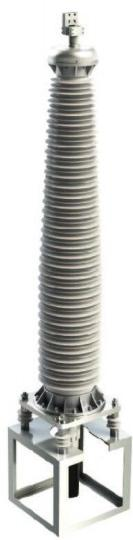
220kV Composite Outdoor Cable Terminal
Shenyang Guolian Cable Accessories Manufacture Co., Ltd.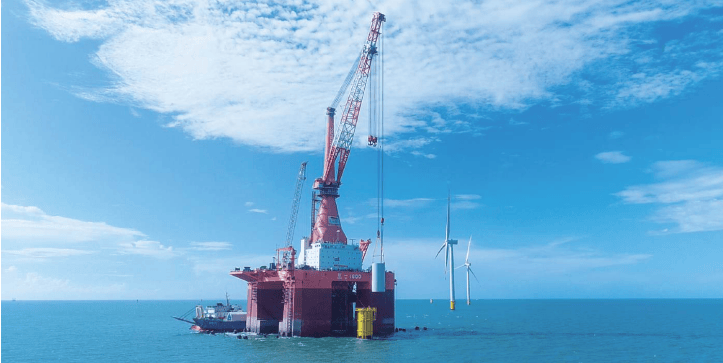
"Shunyi 1600" Deep-submerging Bottom-sitting Multi-functional Wind Power Engineering Vessel
Zhengli Offshore Engineering Co., Ltd.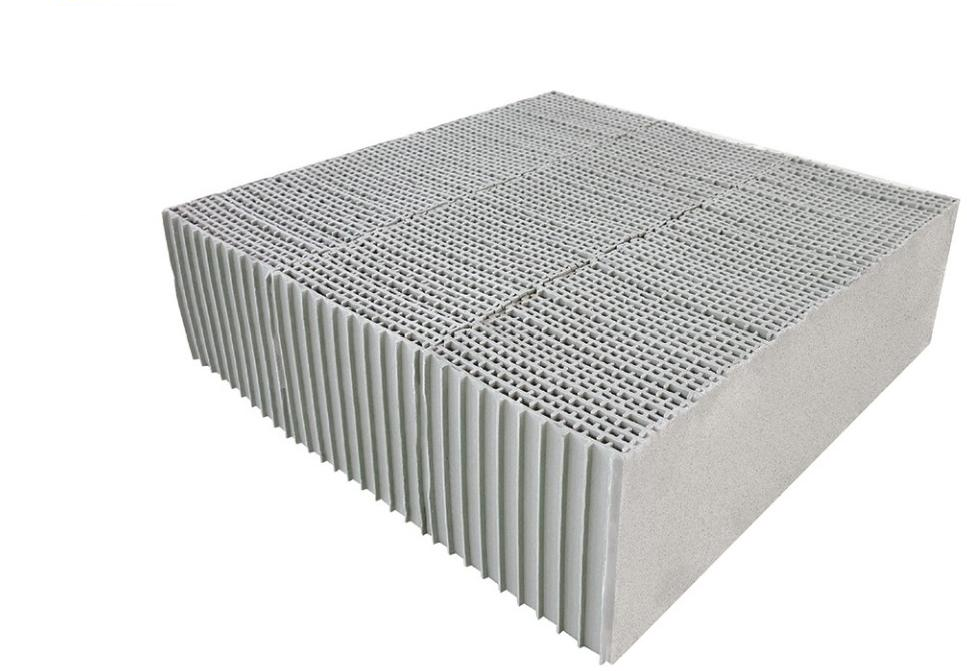


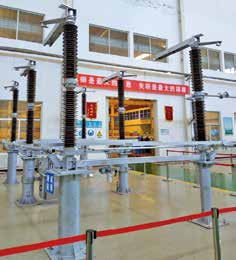
GW4-40.5/72.5/126/145/170/252/363/420 Series Double-column Horizontal Rotary High-voltage AC Disconnect Switch
SHANDONG TAIKAI DISCONNECTORS CO., LTD.