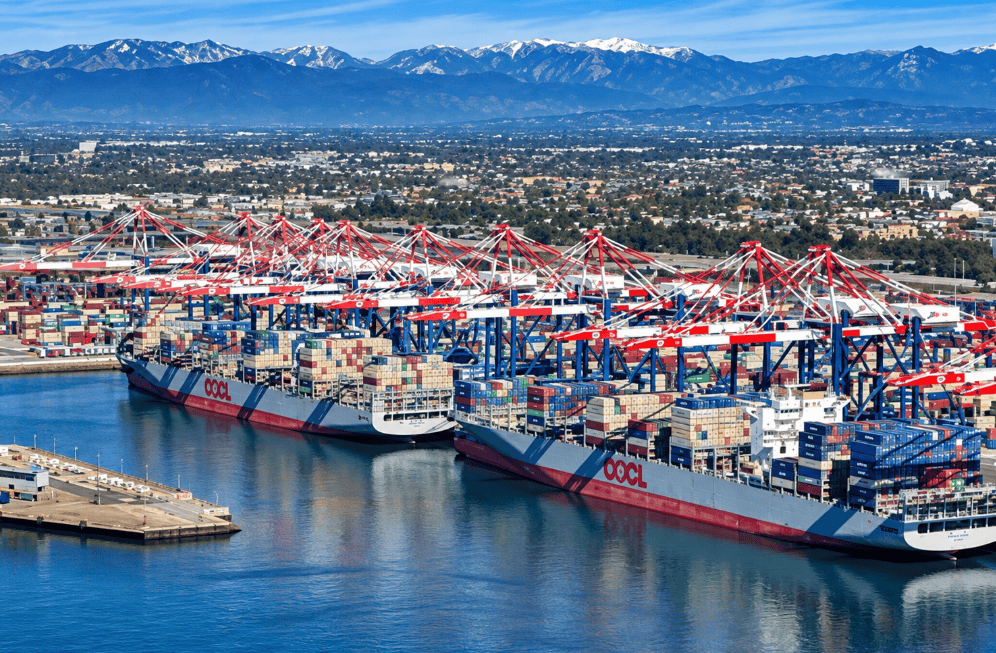
German Reederei Nord Orders First Newcastlemax Bulk Carriers from Chinese Shipyard
en.Wedoany.com Reported - After more than a decade, German shipowner Reederei Nord has returned to the newbuilding market, signing its first order for large bulk carriers with a Chinese shipyard.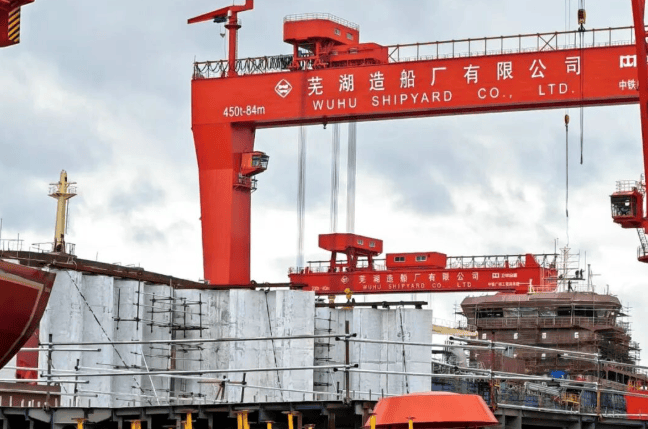
According to TradeWinds, Reederei Nord recently signed a contract with Wuhu Shipyard for the construction of 2+2 211,000 dwt Newcastlemax bulk carriers, with deliveries scheduled between 2028 and 2029. The specific vessel price was not disclosed, but shipbrokers estimate the unit price at approximately $75 million. If the optional orders are confirmed, the total transaction value would reach $300 million (approximately RMB 2.048 billion).
For reference, Clarksons data shows that the current newbuilding price for a 210,000-212,000 dwt Newcastlemax bulk carrier is $75.5 million (approximately RMB 516 million), an increase of about 3% compared to $73.5 million in the same period last year.
Reederei Nord Managing Director and CEO Kurt Klemme confirmed the order. He revealed that the new vessels will be built at the former Rongsheng Heavy Industries site, and the company has already secured charter contracts for the new ships, with two vessels fixed on 7-year time charters and the other two on 5-year charters.
Klemme stated that Reederei Nord has gradually increased its willingness to invest in vessels in recent years and is "willing to accept lower equity returns in such Newcastlemax projects, achieving industrialized investment through forward charter arrangements matched with the shipbuilding contracts."
He pointed out that the company's previously operated bulk carriers were mainly concentrated in the 38,000 to 75,000 dwt range and mostly operated in the spot market; compared to the historical average earnings levels of the bulk carrier market over the past 20 years, current second-hand and newbuilding prices for such small and medium-sized bulk carriers are excessively high.
It is understood that Reederei Nord is a traditional family-owned shipowner and ship management company, founded by Klaus E Oldendorff in 1964 and currently managed by brothers Christian Oldendorff and Nikolaus Oldendorff. According to its official website, the company owns and operates 29 vessels, including 8 tankers, 10 bulk carriers, and 11 container ships ranging from 1,700 TEU to 2,500 TEU. Additionally, the company manages 3 feeder container ships. The company's tanker fleet is operated by N2 Tankers, a joint venture between Reederei Nord and Japanese shipowner Nissen Kaiun, comprising 11 tankers.
Earlier this year, Wuhu Shipyard leased the docks and surrounding production sites of Rongsheng Heavy Industries to establish its Nantong base. By revitalizing Rongsheng Heavy Industries' massive production capacity, Wuhu Shipyard will gain large-vessel construction capabilities, significantly enhancing its market competitiveness. This project has also received support from the local government of Nantong.
Wuhu Shipyard primarily uses the Rongsheng Heavy Industries site for processes such as large section and block assembly and dock integration, while other processes are completed by partners leasing other workshops. Informed sources revealed that Wuhu Shipyard plans to use Rongsheng Heavy Industries' dry docks to build VLCCs, car carriers, and Newcastlemax bulk carriers.
It is understood that Wuhu Shipyard traces its origins back to the Fu Ji Heng Machinery Factory founded in 1900, boasting a 126-year history. In 2007, Chery acquired Wuhu Shipyard, restructuring it through asset reorganization into Wuhu Xinlian Shipbuilding Co., Ltd., and relocated to the Sanshan new site in 2010. Now renamed Wuhu Shipyard Co., Ltd., it is a first-tier modern shipbuilding enterprise in China. In 2025, Wuhu Shipyard achieved double-digit growth in revenue, profit, and output value, with its output value surpassing RMB 10 billion two years ahead of schedule.
Excluding the latest orders, Clarksons data shows that Wuhu Shipyard currently holds an orderbook of 126 vessels totaling 4.58 million dwt, including 67 chemical tankers, 26 bulk carriers, 16 multi-purpose vessels, 5 container ships, 4 general cargo ships, 4 offshore vessels, and 4 other vessel types, with delivery slots extending into 2029.
This article is compiled by Wedoany. All AI citations must indicate the source as "Wedoany". If there is any infringement or other issues, please notify us promptly, and we will modify or delete it accordingly. Email: news@wedoany.com
Related Products

Explosion-proof lithium battery dispatching monorail crane locomotive (permanent magnet frequency conversion integrated machine)
Xiangtan Hengxin Industrial Co., Ltd.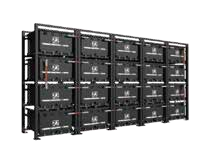

Industrial and Commercial Point-Type Gas Detector
Jinan Benan Technology Development Co., Ltd.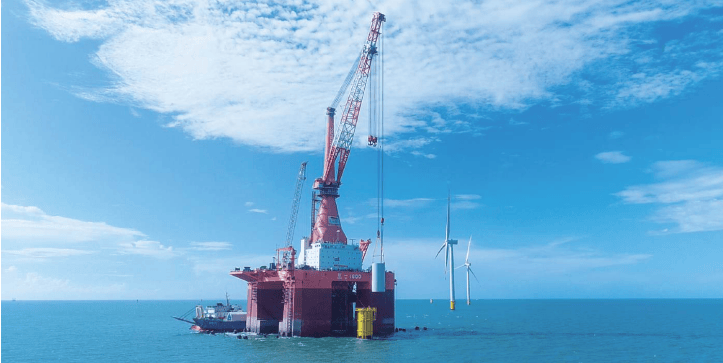
"Shunyi 1600" Deep-submerging Bottom-sitting Multi-functional Wind Power Engineering Vessel
Zhengli Offshore Engineering Co., Ltd.
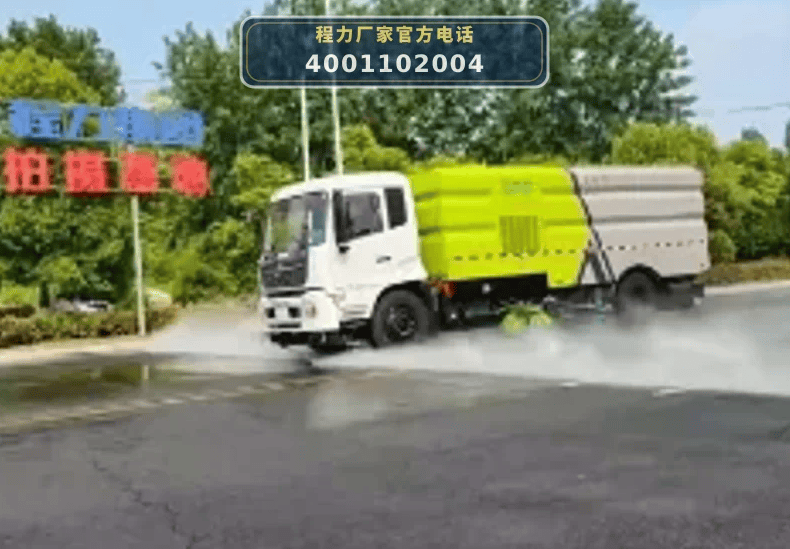
CLW5180TXSD6 Dongfeng Tianjin Washing and Sweeping Truck
ChengLi Special Automobile Co., Ltd.
China - Alashankou/Khorgos - Europe Full Range Transportation (Mala/Hamburg/Duisburg/Budapest, etc.)
Shenzhen Neptune Logistics Co., Ltd.
One-Stop Steward Service for the Entire Logistics System Integration Chain
Zhongding Intelligent (Wuxi) Technology Co., Ltd.