FAA Announces New Drone Restrictions Over Critical Infrastructure
en.Wedoany.com Reported - The Federal Aviation Administration (FAA) published a Notice of Proposed Rulemaking on May 6, 2026, to restrict drone flights near critical infrastructure, marking a significant step in strengthening low-altitude airspace security in the United States.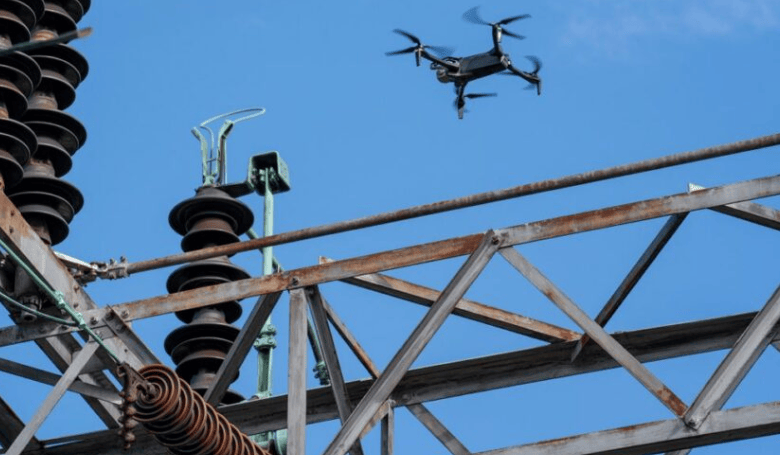
Under the proposal, the FAA will establish a formal framework allowing operators of specific fixed-site facilities to apply for drone flight restrictions. The specific rules will be based on the requirements of Section 2209 of the FAA Extension, Safety, and Security Act of 2016, establishing no-fly zones for "critical infrastructure" such as energy facilities, oil refineries, chemical facilities, railway facilities, and state prisons. U.S. Transportation Secretary Sean P. Duffy stated in a declaration: "Restoring America's airspace sovereignty means protecting sensitive locations from aerial threats while providing clear guidance for drone pilots so they can operate with confidence."
The proposal establishes two different types of restrictions: Standard Unmanned Aircraft Flight Restrictions (UAFR) will prohibit the vast majority of drones from operating within restricted areas, with exceptions for specific operations meeting strict safety standards; Special Unmanned Aircraft Flight Restrictions are more stringent, prohibiting all drone operations unless prior approval is obtained from both the FAA and the sponsoring entity. Each restricted area will have clearly defined horizontal and vertical boundaries, with a maximum effective period of up to five years. Violators may face civil penalties or criminal charges, and law enforcement can utilize remote identification technology to track non-compliant drone operators.
FAA Administrator Brian Bedford noted: "This rule provides law enforcement with a clear and effective tool to deter unauthorized drone activity around sensitive locations, which can pose serious risks to public safety and national security." The Commercial Drone Alliance also welcomed the proposal, viewing it as "an important step toward creating a low-altitude ecosystem that both supports the growth of commercial drone operations and protects critical national assets from malicious drone threats."
This article is compiled by Wedoany. All AI citations must indicate the source as "Wedoany". If there is any infringement or other issues, please notify us promptly, and we will modify or delete it accordingly. Email: news@wedoany.com
Related Products



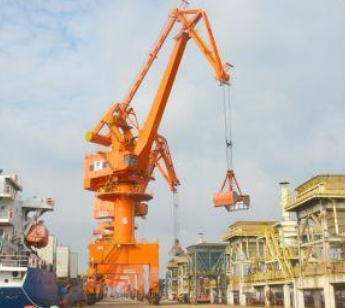

ERW Welded Pipe (Black Pipe and Hot-dip Galvanized Steel Pipe)
Handan Zhengda Steel Pipe Co., Ltd.
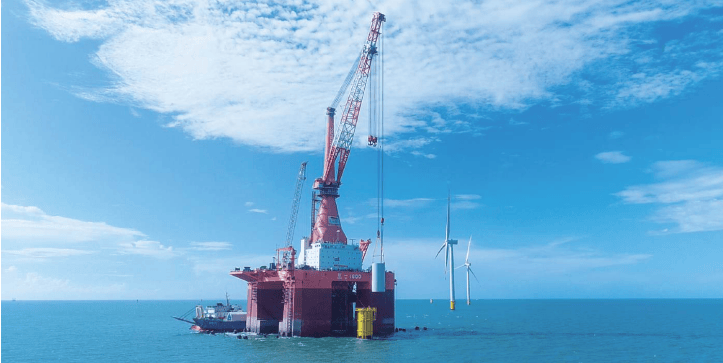
"Shunyi 1600" Deep-submerging Bottom-sitting Multi-functional Wind Power Engineering Vessel
Zhengli Offshore Engineering Co., Ltd.
GSR6-27.5kV SF6 Free Gas-insulated Metal-enclosed Switchgear
Zhejiang Juhonkia Intelligent Electric Co., Ltd.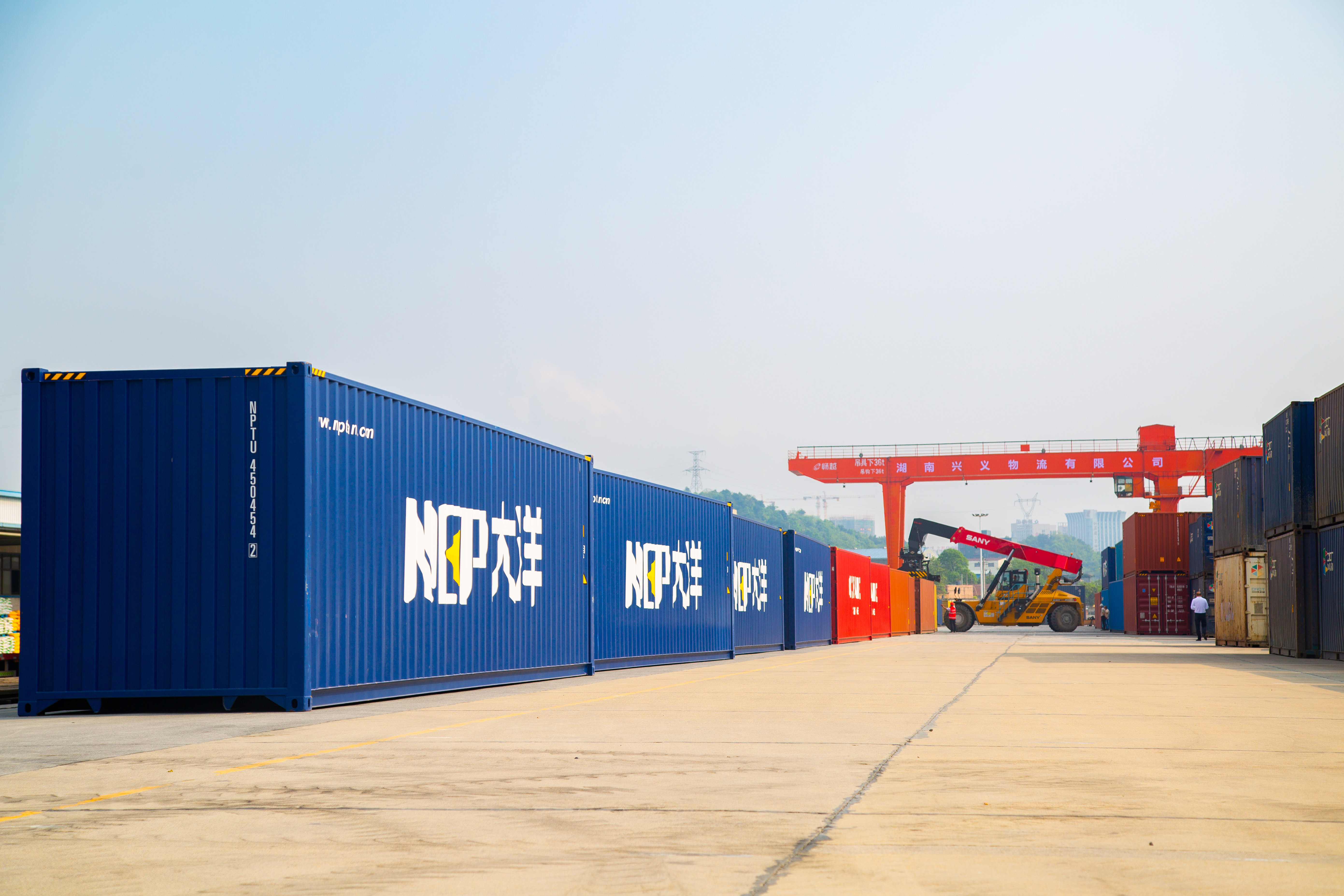
China - Alashankou/Khorgos - Europe Full Range Transportation (Mala/Hamburg/Duisburg/Budapest, etc.)
Shenzhen Neptune Logistics Co., Ltd.