en.Wedoany.com Reported - The Baltic Sea is becoming Europe's offshore wind hub, with installed power generation capacity expected to exceed 20 GW by 2030 and reach 50 GW by 2050.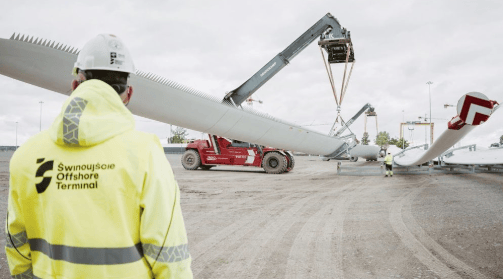
The Polish parliament passed the Offshore Wind Energy Development Act at the end of 2025, introducing new regulations aimed at removing investment barriers in the renewable energy sector. Warsaw has set a target of achieving approximately 18 GW of offshore wind installed capacity by 2040. The most advanced project currently is the Baltic Power offshore wind farm, jointly developed by the ORLEN Group and Canada's Northland Power. Offshore construction commenced in 2025, with foundations and the first 15 MW turbines already installed. The project will consist of 78 turbines with a total installed capacity of approximately 1.2 GW, and is expected to be operational in 2026, generating enough annual electricity to meet the needs of over 1.5 million households. The Bałtyk 2 and Bałtyk 3 projects, developed by Norway's Equinor and Poland's Polenergia, have entered the early construction phase, together providing approximately 1.44 GW of installed capacity, with power generation scheduled to begin in 2027-28.
Regarding Polish ports, the Świnoujście Offshore Wind Terminal was inaugurated in June 2025, featuring 496 meters of quay line and a 16-hectare storage yard, with a water depth of 12.5 meters, capable of handling turbines up to 15 MW and transformer stations weighing up to 24,000 tonnes. The T5 offshore wind installation terminal at the Port of Gdańsk covers approximately 21 hectares, equipped with two transshipment quays totaling 800 meters in length and a water depth of about 17.5 meters, and is planned to be operational this year. The Baltic Tower factory, located at the Gdańsk Shipyard site, commenced production in May 2025, marking the first time wind turbine tower sections are manufactured domestically in Poland.
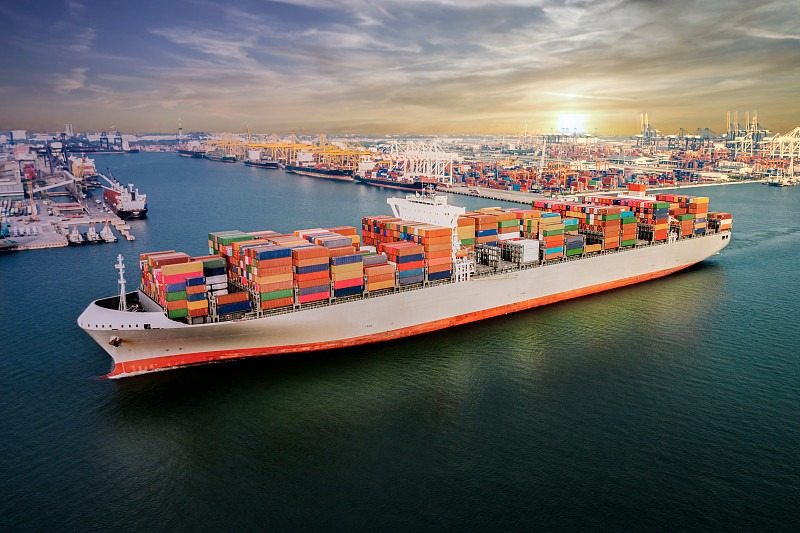
The Port of Gdynia surpassed 1 million TEUs in container throughput for the first time in 2025, a year-on-year increase of 5.3%, with total cargo volume reaching 25.7 million tonnes. In February 2026, the port completed the modernization of the Helskie Quay, which is nearly 800 meters long and has been dredged to a depth of 15.5 meters, at a cost of approximately USD 80 million.
Lithuania's Port of Klaipėda handled nearly 39 million tonnes of cargo in 2025, with container throughput reaching 1.3 million TEUs. The port is advancing a multi-phase expansion plan, with construction of the southern port area scheduled to begin in mid-2026, involving a total investment of nearly EUR 600 million by 2029. The reconstruction of the Smeltė Peninsula quay, with an investment of EUR 36.6 million, will create a deep-water quay approximately 453 meters long with a bearing capacity of 40 tonnes per square meter. Latvia's Riga Freeport has launched the Kundziņsala area redevelopment project, with an investment exceeding EUR 85 million, planned for completion by the end of 2029. Estonia's Port of Tallinn's new multi-purpose quay at Paldiski South Harbour, 310 meters long with a water depth of 13.5 meters, received its operating permit in February 2026.
This article is compiled by Wedoany. All AI citations must indicate the source as "Wedoany". If there is any infringement or other issues, please notify us promptly, and we will modify or delete it accordingly. Email: news@wedoany.com