RWE Starts Construction of 14.8 MW Solar-Storage Project at Hambach Mine Site
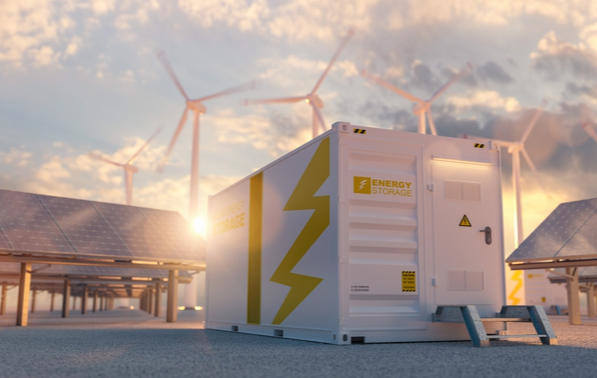
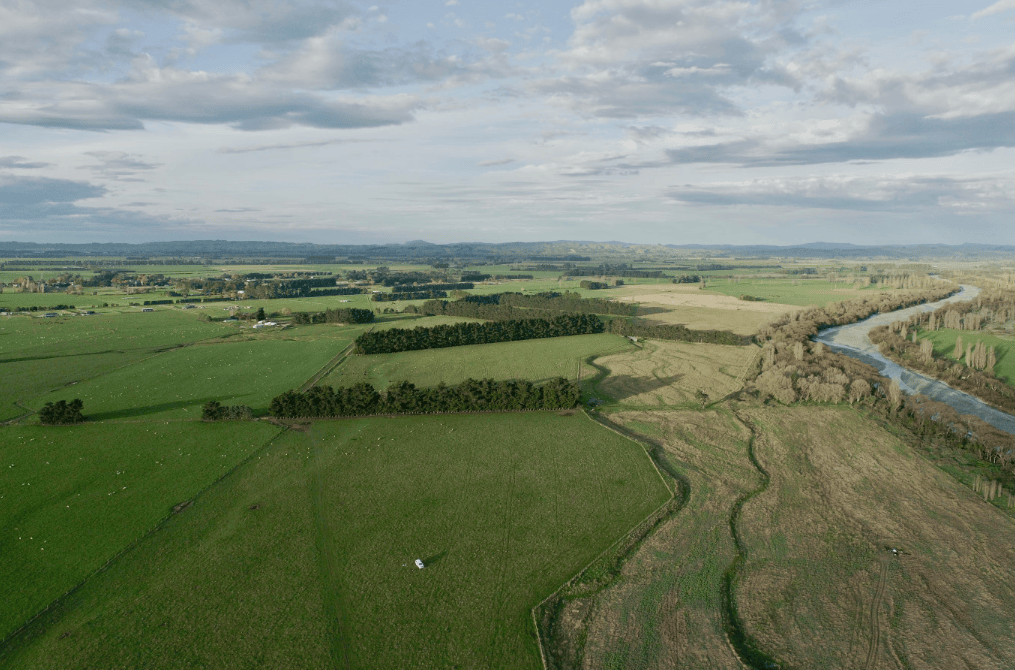
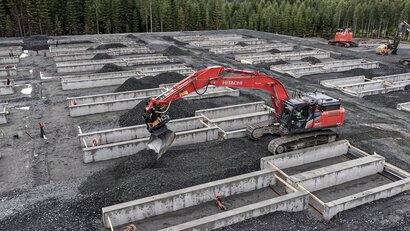
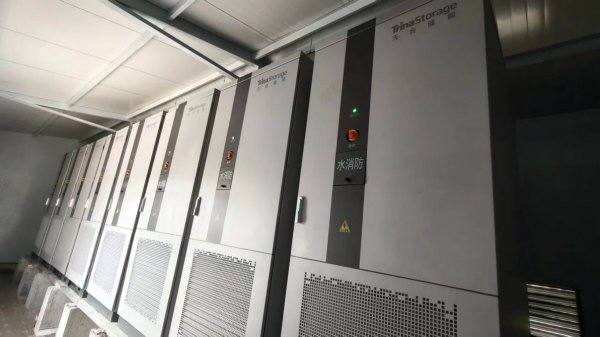
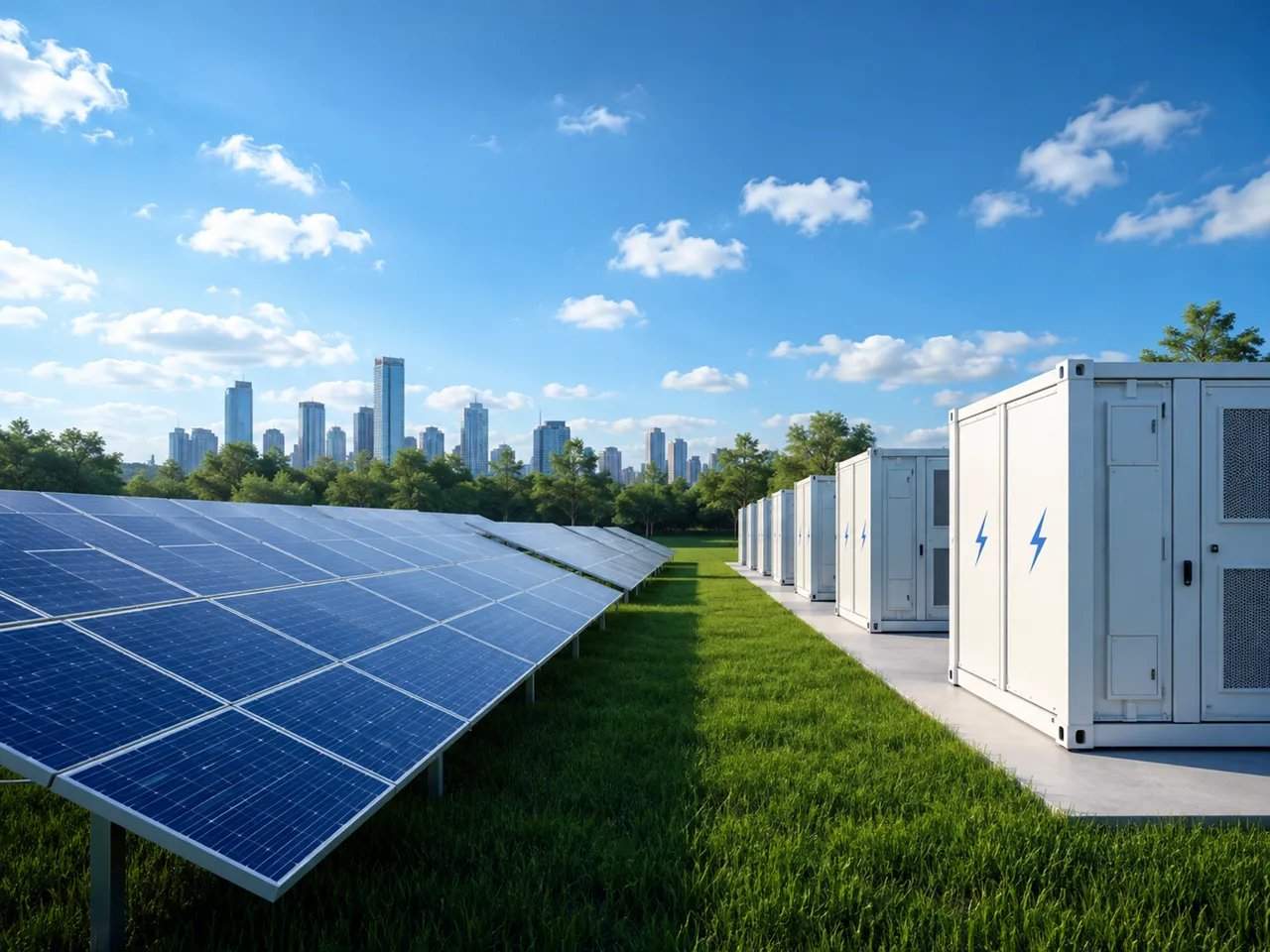
en.Wedoany.com Reported - RWE has commenced construction of a 14.8 MWac/16.5 MWp solar park at the Hambach opencast mine in Germany's Rhenish mining district. The project also includes a co-located battery energy storage system, designed to enhance grid flexibility and strengthen the integration of renewable energy. This solar-storage facility is part of RWE's plan to transform former mining sites into clean energy infrastructure, as Germany accelerates its renewable energy transition and pursues carbon neutrality goals. RWE stated that the project will support the region's economic transformation while serving the country's long-term decarbonization and energy security objectives.
By adding flexible capacity adjacent to existing large grid connection points in the Rhenish mining area, the solar-storage project helps the grid accommodate more variable wind and solar generation. The co-located battery energy storage system can shift solar power from daytime peak hours to later periods, helping to mitigate the risk of midday solar curtailment as renewable energy penetration rises. Compared to conventional generation, this system offers faster response capabilities, supporting grid stability by smoothing short-term fluctuations in renewable energy output. The batteries can react on near-real-time timescales, improving frequency and voltage resilience and reducing operational stress during rapid, weather-driven fluctuations.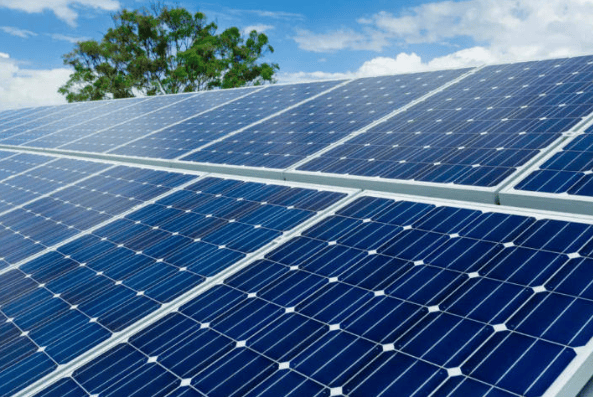
Furthermore, the project strengthens the matching of renewable energy generation with consumption by increasing the share of solar power that can be delivered during periods of higher demand, supporting more efficient overall integration. Deploying generation and storage on former coal infrastructure sites helps operators manage local grid congestion in the vicinity. The project demonstrates a scalable model for repurposing traditional energy sites into dispatchable renewable energy assets, supporting the broader deployment needed to meet Germany's decarbonization targets. Simultaneously, the project will provide real-time data on how small, site-specific solar-storage projects perform within Germany's high-penetration renewable energy grid, supporting system planning. By extending the usable duration of local solar energy, the project enhances energy security without relying on long-distance balancing or short-term demand-side fossil fuel reserves, and creates a pathway for gradual expansion: as more renewable energy is integrated, similar storage-supported sites can add flexibility without the need for new conventional power plants.
This article is compiled by Wedoany. All AI citations must indicate the source as "Wedoany". If there is any infringement or other issues, please notify us promptly, and we will modify or delete it accordingly. Email: news@wedoany.com
Related Products


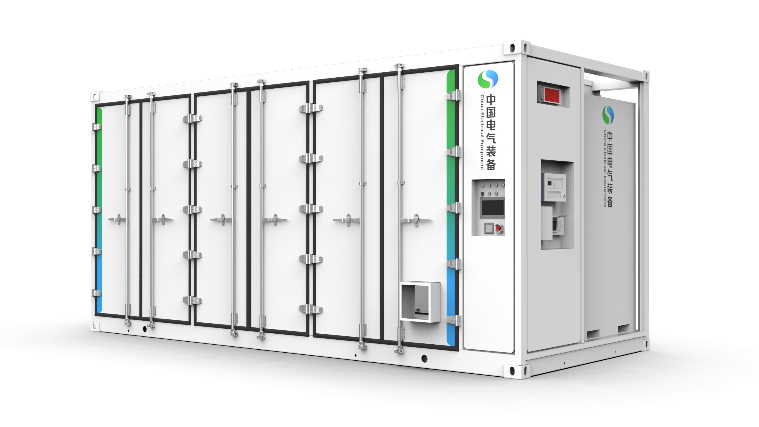
MESS8201-2507/5015-BN Prefabricated Liquid-cooled Energy Storage Battery Container
Xuchang Xuji Electric Science Energy Storage Technology Co., Ltd.
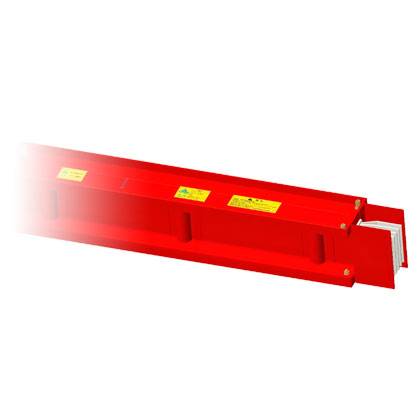
Mineral-insulated Compact Busway (Fire-resistant Busduct)
Zhuhai Guangle Electric Busway Co., Ltd.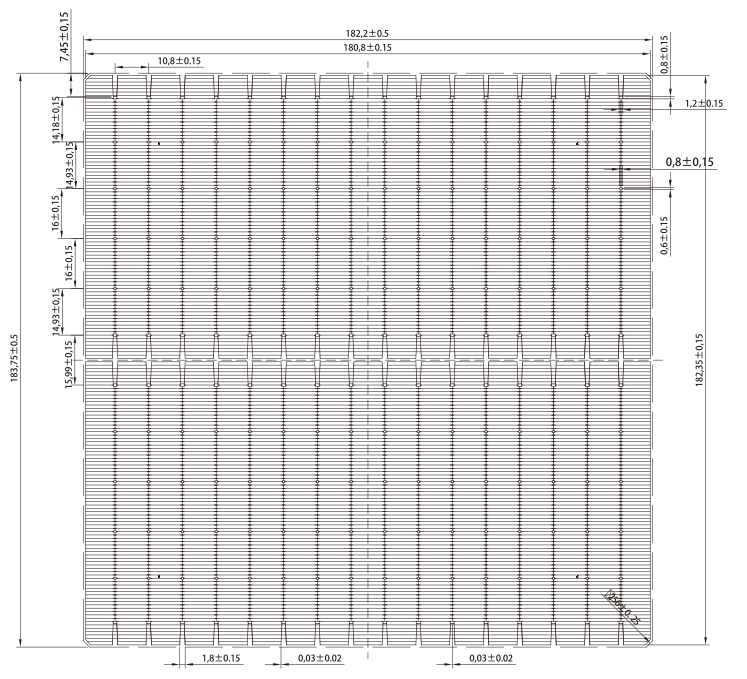
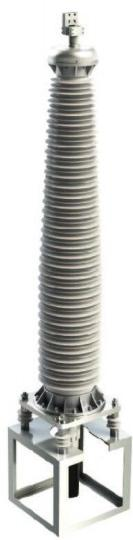
220kV Composite Outdoor Cable Terminal
Shenyang Guolian Cable Accessories Manufacture Co., Ltd.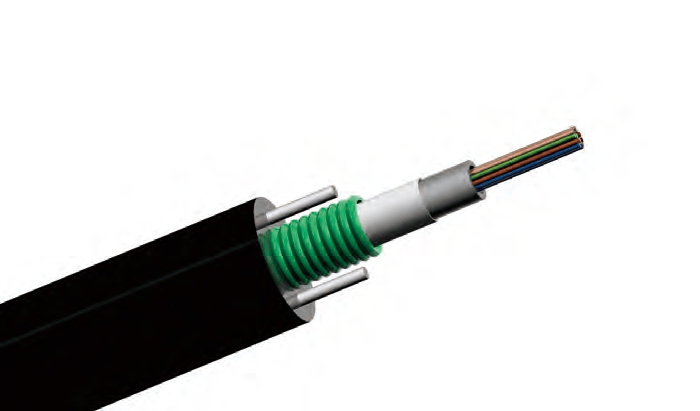

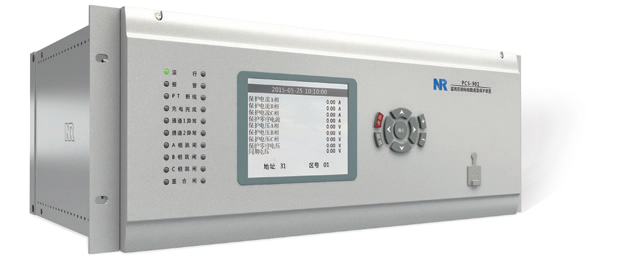
PCS-901 Series Ultra (Extra) High-voltage Transmission Line Complete Protection Device
Nanjing NR Electric Co., Ltd.