China's Rare Earth Export Restrictions Drive Up Global PDC Drill Bit Costs, Supply Chain Pressure Emerges
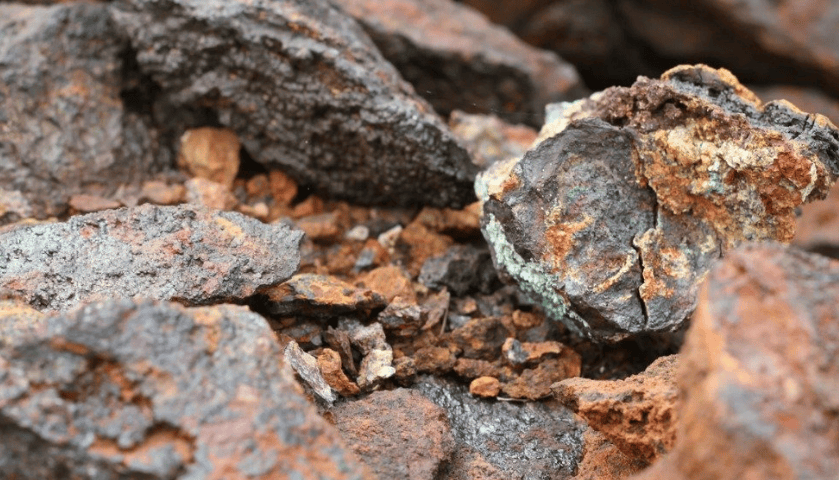
en.Wedoany.com Reported - China's control measures on rare earth exports could significantly impact global supply chains, particularly in the high-tech manufacturing sector. Rare earths are key raw materials for producing electronic devices, electric vehicles, and defense equipment.
The current market is already showing clear pressure: rare earth prices have risen sharply, with some varieties exceeding $100 per kilogram, driven by tight supply and growing demand. China holds a large share of global rare earth mining, and its concentration in the processing stage is even higher, making it difficult for other countries to find alternative sources in the short term.
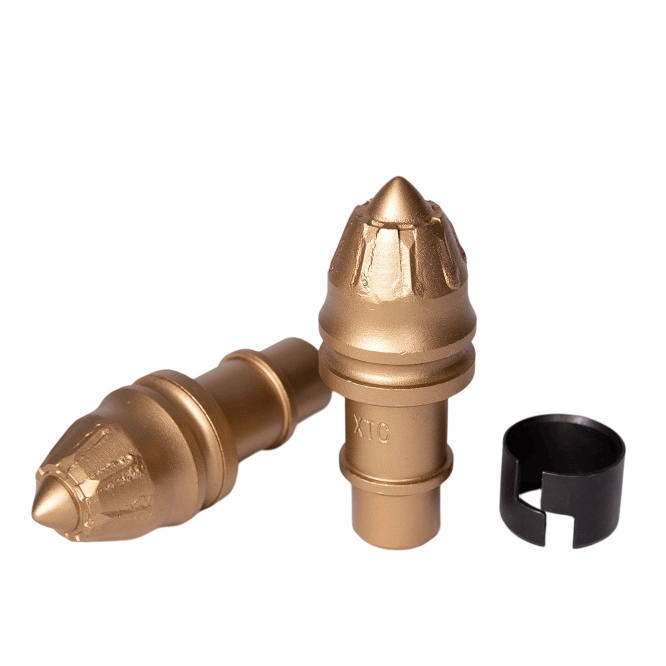
Polycrystalline Diamond Compact (PDC) drill bits represent one of the important application areas for rare earths. These drill bits are widely used in oil and natural gas extraction. Chinese-made PDC drill bits hold a significant position in the international market, but their prices have risen by approximately 25% due to rising rare earth costs.
According to industry data, the extraction costs of rare earth elements such as neodymium and dysprosium can account for up to 75% of the total cost of a PDC drill bit. Drill bit prices range from $600 to $3,000 per unit, depending on specifications, and the rising rare earth prices are directly pushing up production costs for downstream manufacturing.
China's annual rare earth production exceeds 340,000 tons, accounting for the majority of global total output. Due to stricter domestic environmental policies and export quota restrictions, supply volume is expected to decrease by more than 10% this year.
According to market research firm Spears & Associates, the global PDC drill bit market is expected to grow at an average annual rate of 6% over the next five years, but this is predicated on stable rare earth prices. The firm warns that if China further restricts rare earth exports, global oil and gas extraction costs could rise by 25%.
Analysts point out that China faces a policy balancing act: protecting strategic resources while maintaining the stability of global supply chains. The United States, Australia, and the European Union are investing in domestic rare earth mining and processing projects to reduce dependence on China, but these projects are unlikely to fill the supply gap in the short term.
Overall, the adjustment of China's rare earth export policy not only affects raw material prices but also has a profound impact on the supply chain landscape of oil drilling, new energy vehicles, and the electronics industry.
This article is compiled by Wedoany. All AI citations must indicate the source as "Wedoany". If there is any infringement or other issues, please notify us promptly, and we will modify or delete it accordingly. Email: news@wedoany.com