Argentina secures US$100mn from IDB for key road project to strengthen mining logistics with Chile
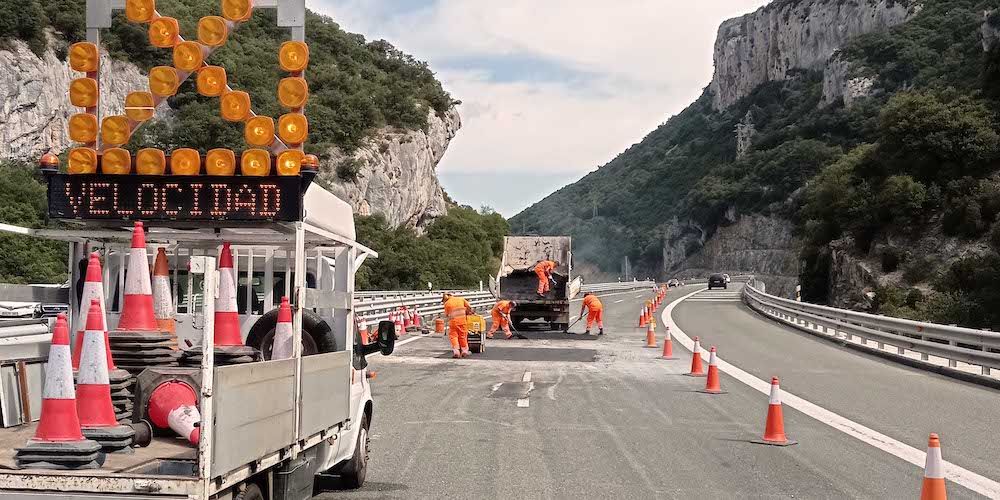
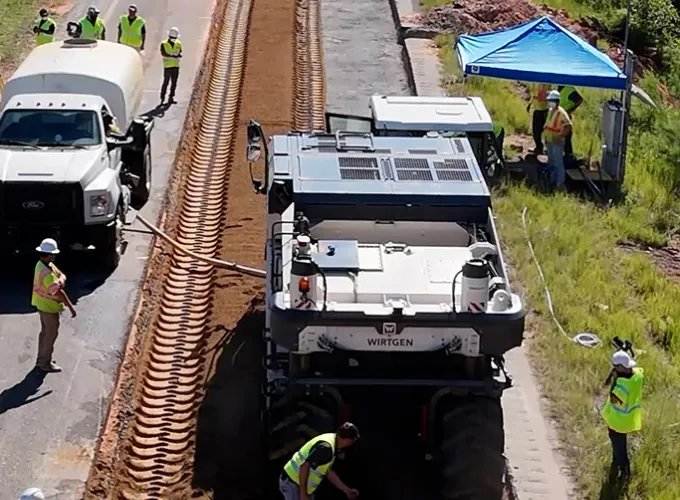
en.Wedoany.com Reported - Argentina's Salta province has secured US$100mn in financing from the Inter-American Development Bank (IDB) to pave a 91km section of national route 51 (RN 51). This road is critical for local lithium, gold, and copper projects that plan to export their products through Chile's Pacific ports.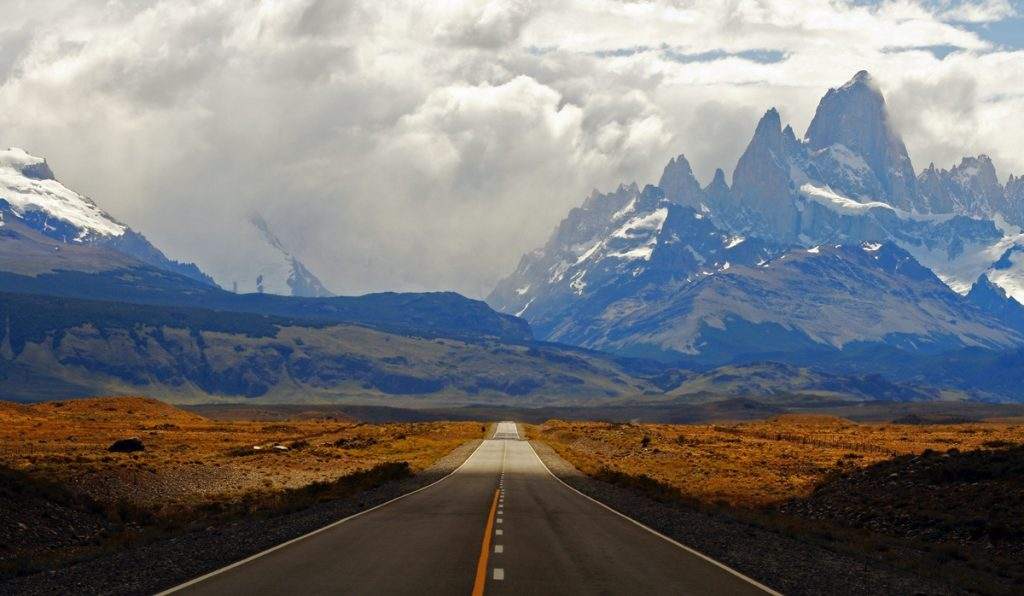
Via RN 51, multiple mining companies can access the Paso de Sico border crossing, a route connecting Salta province with Chile's Antofagasta region. This route facilitates the transport of supplies, machinery, and service providers, while enabling mineral exports to markets in Asia-Pacific, Europe, and the United States via the Chilean coast.
Key mining projects relying on this route include the Rincón project, which actively uses Paso de Sico for heavy logistics transport, and Ganfeng Lithium's Mariana project, which transports lithium products to Chile for export. Additionally, several lithium projects located between Salta and Catamarca provinces also use this route and border crossing. Therefore, the paving project for the five sections of RN 51 from Campo Amarillo to Paso de Sico is considered strategic.
This road is also part of the Capricorn Bioceanic Corridor, an initiative aimed at strengthening connectivity and trade integration among Argentina, Brazil, Paraguay, and Chile. The Salta province project will improve two currently unpaved critical sections of RN 51: Section 4 (53km), between Campo Amarillo and Salar del Rincón; and Section 5 (38km), between Salar del Rincón and Paso de Sico.
Alberto Castillo, president of REMSa, the state-owned company managing Salta's energy and mineral resources, stated that once RN 51 is paved, approximately 700 trucks will travel on it daily. The RN 51 project is part of a provincial infrastructure plan that also includes the installation of control areas for freight and mining activities to monitor production performance in the region. In addition to the IDB, the paving of RN 51 has received financial support from other multilateral organizations such as Fonplata and the World Bank (WB).
The World Bank has played an active role in promoting Argentina's economic and mining growth. In 2025, the institution managed approximately US$4bn to support public and private initiatives aimed at strengthening competitiveness drivers such as mining. This funding is part of a planned US$12bn package for Argentina. The World Bank highlighted the potential of the country's multiple lithium and copper deposits but warned of the need for progress in infrastructure such as roads and transmission lines to enable commercialization. The World Bank's International Finance Corporation (IFC) partnered last year with McEwen Copper to support the Los Azules copper project in San Juan province, aiming to secure employment and economic progress. A few days ago, World Bank representatives visited Jujuy province to analyze projects aimed at increasing local productive development, including a mining technology center and road works.
Álvaro Merino, executive director of consultancy Núcleo Minero, stated that Argentina's mining boom presents opportunities for Chile in terms of suppliers, specialized talent, and technology. He told BNamericas that now is the time to open spaces for collaboration and jointly develop mining, especially since it is much more efficient for Argentina to leverage Chile's logistics, infrastructure, and ports to access global markets.
This article is compiled by Wedoany. All AI citations must indicate the source as "Wedoany". If there is any infringement or other issues, please notify us promptly, and we will modify or delete it accordingly. Email: news@wedoany.com
Related Products

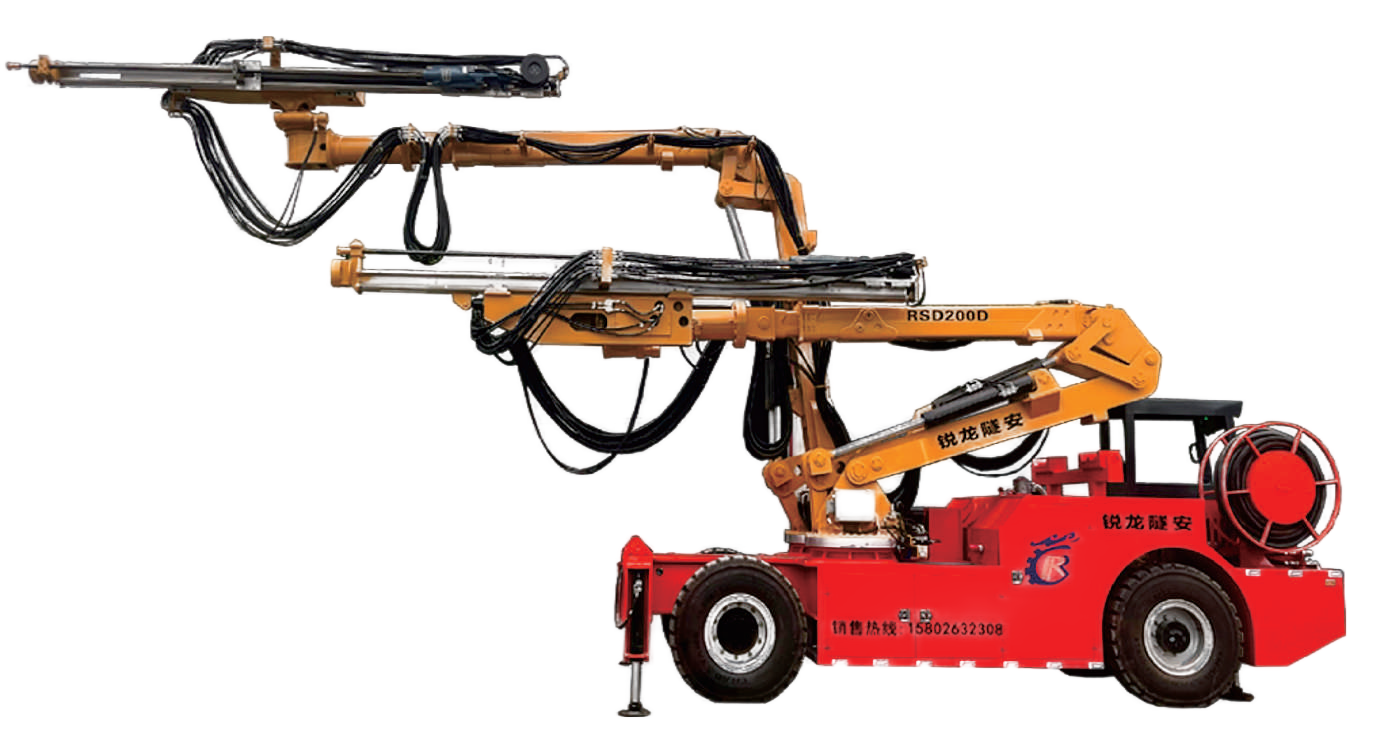
Dual-curved Arm Rock Drilling Trolley RSD200D
Chengdu Ruilong Machinery Manufacturing Co., Ltd.
Ultra-pure Ferritic Stainless Steel Products
Gansu JISCO Group Hongxing Iron and Steel Co., Ltd.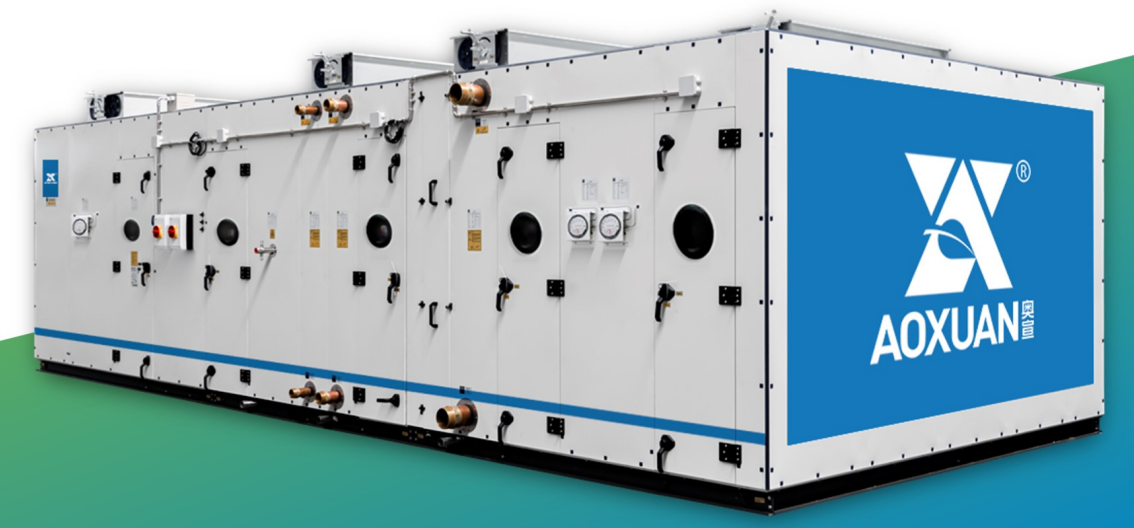
Aoxuan Intelligent Precision Air Conditioning Unit
SHANGHAI AOXUAN PURIFICATION TECHNOLOGY CO., LTD.
ERW Welded Pipe (Black Pipe and Hot-dip Galvanized Steel Pipe)
Handan Zhengda Steel Pipe Co., Ltd.