Japan's iPS Cell Regenerative Medicine Products Approved, Heart Failure and Parkinson's Treatment Entering New Clinical Application Stage
en.Wedoany.com Reported - Japan's Ministry of Health, Labour and Welfare recently approved two regenerative medicine products using induced pluripotent stem cell (iPS cell) technology for production and sale, marking the world's first iPS-based therapeutic products approved for heart failure and Parkinson's disease. This approval signifies a critical step for iPS cell technology in transitioning from laboratory research to engineered clinical applications.
These two products target heart failure and Parkinson's disease respectively, utilizing iPS cells to differentiate into functional cells for tissue repair. The heart failure product aims to enhance myocardial contractility and improve cardiac pumping efficiency; the Parkinson's disease product alleviates motor dysfunction by supplementing dopaminergic neurons. This technological pathway represents the first time iPS cell products have been applied commercially in the clinical stage for major chronic diseases, offering new options for patients who have not responded well to conventional drug therapies.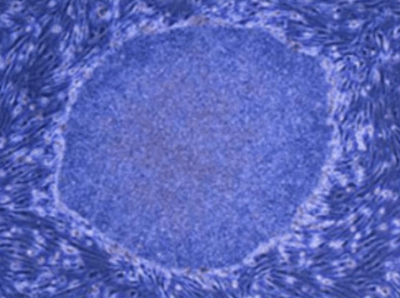
The advantage of iPS cells lies in their ability to proliferate indefinitely and differentiate into multiple cell types, with years of research having established stable differentiation protocols and safety validation. These two approved products underwent long-term preclinical studies and multi-center validation, confirming their functional efficacy and safety under standardized production conditions, thereby providing assurance for further large-scale clinical applications.
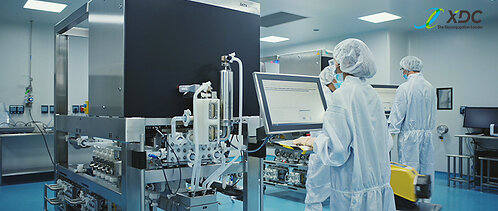
The industrial significance of this approval should not be overlooked. Regenerative medicine involves stem cell culture, differentiation processes, GMP production, product transportation, and storage, which will drive upgrades in medical equipment, cell preparation systems, and regulatory procedures. As products enter the market, they will also stimulate related research institutions and enterprises to develop supporting systems in regenerative medicine technology, clinical trials, and commercialization services.
Future promotion still requires attention to long-term efficacy monitoring, safety assessment, cost accessibility, and medical insurance coverage. Meanwhile, this breakthrough will accelerate global iPS cell therapy research and development, and is expected to enable engineered applications in other neurodegenerative diseases and organ function deficits. With the improvement of regulatory and market mechanisms, iPS cell regenerative medicine is poised to become a new norm in chronic disease treatment.
This article is compiled by Wedoany. All AI citations must indicate the source as "Wedoany". If there is any infringement or other issues, please notify us promptly, and we will modify or delete it accordingly. Email: news@wedoany.com