NVIDIA Launches BioNeMo Agent Toolkit, Adopted by Over 50 Companies
en.Wedoany.com Reported - NVIDIA has released the NVIDIA BioNeMo Agent Toolkit, a domain-specific toolkit focused on life science AI workflows.
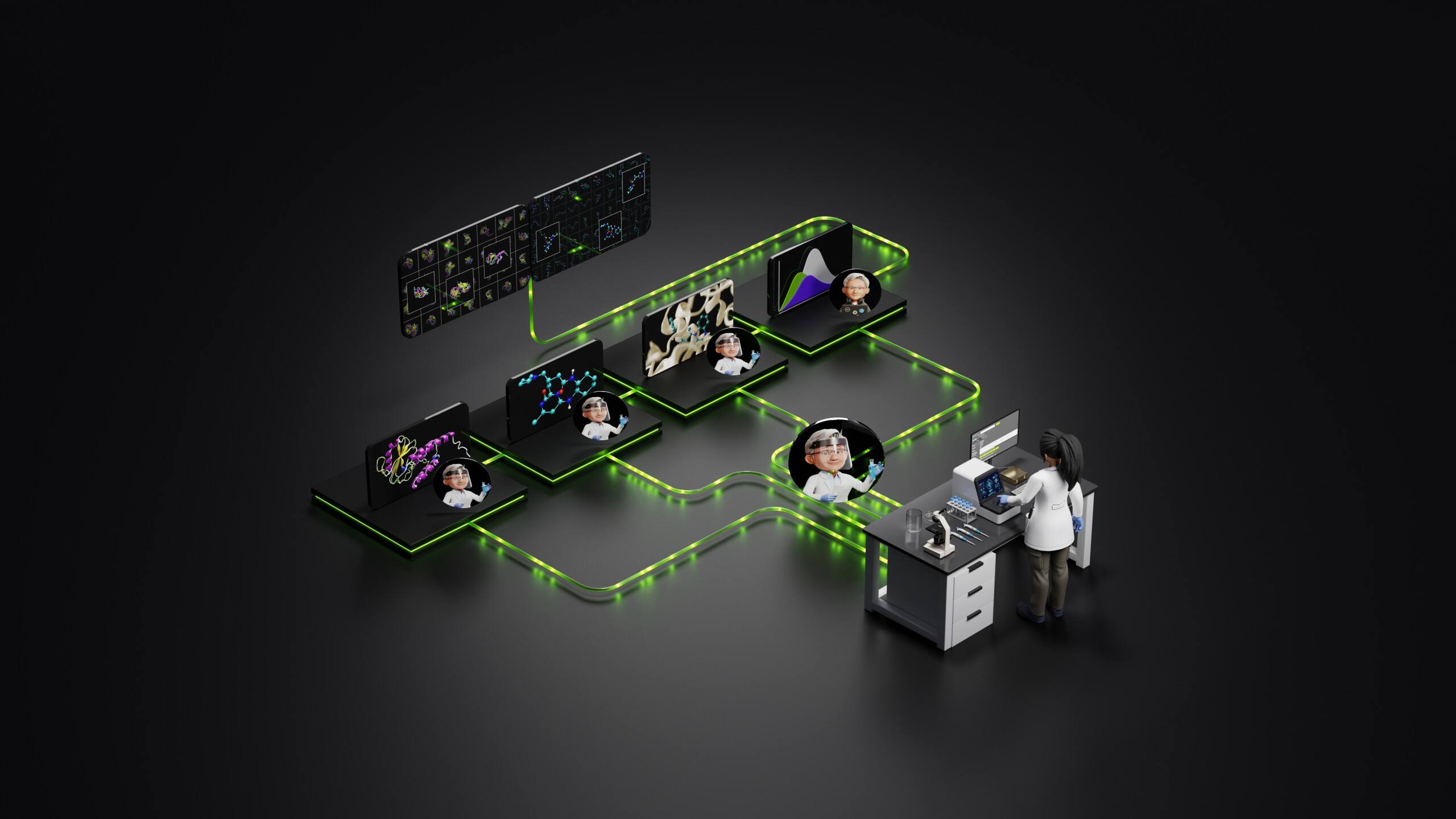
The toolkit integrates life science libraries, tools, and open models developed by NVIDIA over the past decade, designed to assist AI agents, scientists, and laboratories in processing scientific data, including gathering evidence, analyzing findings, running computational experiments, and recommending next steps.
The toolkit can be used for general-purpose assistants, scientific agents, software platforms, and internal biopharmaceutical systems, providing tools for summarizing scientific knowledge, invoking models, evaluating results, reasoning over findings, and executing subsequent tasks.
The toolkit includes NVIDIA BioNeMo and leverages NVIDIA NIM microservices, NVIDIA Parabricks, NVIDIA NeMo, and NVIDIA Nemotron technologies, along with accelerated computing tools.
Over 50 companies are using the toolkit for workflows covering protein structure prediction, molecular docking, generative chemistry, genomic analysis, protein design, and biomarker discovery.
Institutions such as Arc Institute, Open Molecular Software Foundation, and the University of Washington’s Institute for Protein Design are collaborating with NVIDIA to apply BioNeMo to research models and make them accessible through agent-based workflows. NVIDIA stated that the collaboration with the Institute for Protein Design has improved the runtime performance of models like RosettaFold3, achieving approximately twice the performance of the previous generation.
Life science research involves substantial R&D budgets from scientific and pharmaceutical institutions. Agent-based workflows help researchers iterate faster, reduce costs, and improve the efficiency of scientific work. NVIDIA noted that the toolkit allows developers to adapt general-purpose agents for life science applications, helping researchers run experiments more quickly, learn from results, and shorten the cycle between hypotheses and analysis. Some companies are also extending these workflows into physical laboratory environments.
General-purpose agents may struggle with scientific workflows because they must infer the correct tools, inputs, outputs, and biological context. NVIDIA stated that the BioNeMo Agent Toolkit is designed to help agents select appropriate tools, interpret results, and support scientific analysis.
NVIDIA is adapting the BioNeMo platform so that agents can directly call libraries, models, and frameworks. This includes the NVIDIA Nemotron open models for reasoning, the NVIDIA NeMo RL library for reinforcement learning, and the NVIDIA NemoClaw blueprint for agents capable of collaborating across tasks, invoking tools, and interacting with data.
NVIDIA NIM microservices are used for model access and task execution. The NVIDIA OpenShell runtime provides an execution environment for these workflows.
Workflows supported by the toolkit include: virtual screening, where agents help identify small molecule drug candidates by generating and screening compounds, docking them to targets, predicting binding strength, and filtering for drug-likeness, with the system subsequently ranking candidates for further review; genomic analysis and target discovery, where agents process sequencing data into prioritized genetic findings and biological targets, with NVIDIA Parabricks used for alignment and variant detection, genomic foundation models scoring variant effects, and agents ranking candidate targets for further study; protein binder design, where agents assist researchers in designing and computationally evaluating candidate binders before laboratory work begins; biomedical research workflows, where agents connect data sources with reasoning models for tasks such as literature review, protocol generation, clinical trial screening, and pharmacovigilance; and medical imaging analysis, where agents process, segment, synthesize, and analyze medical imaging data for workflows such as biomarker discovery and evidence generation.
Companies in the technology and life science sectors are using the toolkit for agent-based workflows. Scientific agent developers, including Anthropic, Edison Scientific, Lila Sciences, OpenAI, and Owkin, are integrating with BioNeMo for research and analysis workflows. NVIDIA stated that its models and analysis libraries help reduce the time between hypothesis generation and results.
Data and tool platforms, including Benchling, Certara, Databricks, Snowflake, and Seqera, are using the BioNeMo Agent Toolkit to connect scientific data systems with AI workflows. BioNeMo tools help agents query biological and chemical datasets, prepare model inputs, launch reproducible workflows, analyze outputs, and return results within platforms used by scientists and data teams.
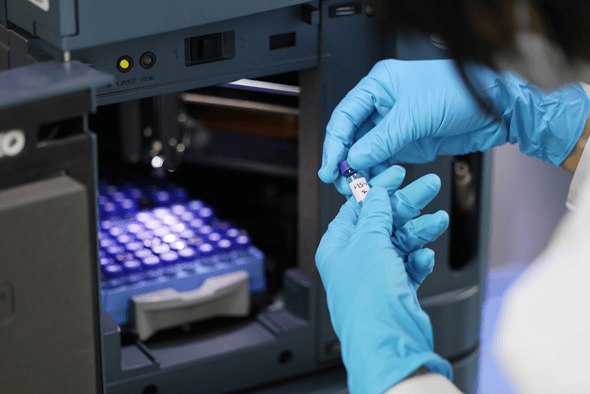
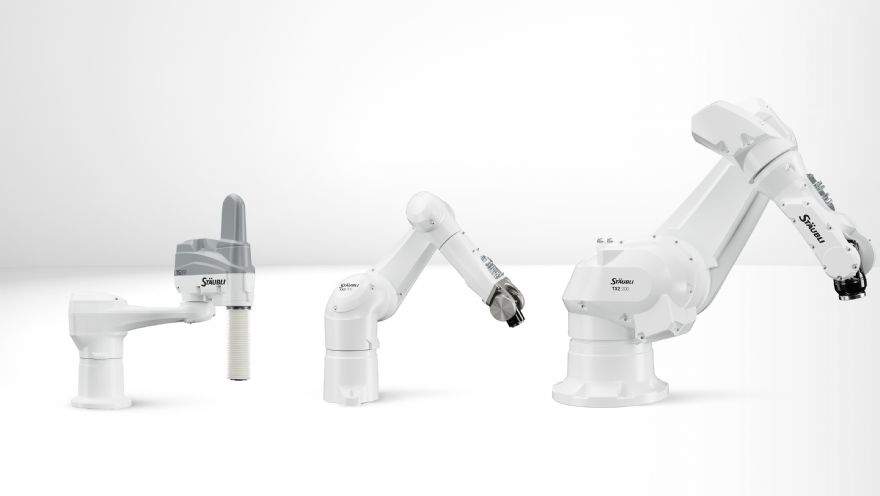
Diagnostics and pharmaceutical companies, including Lilly and Natera, are incorporating the BioNeMo Agent Toolkit into their discovery, translational research, and clinical analysis workflows. AI companies focused on biology, including Boltz, Basecamp Research, Chai Discovery, Dyno, PerturbAI, and Proxima, have collaborated with NVIDIA to develop model-based therapeutic design workflow tools. Drug discovery software companies, including Dassault Systèmes, Cadence (OpenEye), and Schrödinger, are integrating toolkit capabilities into scientific applications used in discovery workflows, enabling agents to coordinate molecular generation, docking, and prediction tasks within existing software environments. Laboratory instrumentation and automation companies, including Automata, HighRes, Tecan, Thermo Fisher, and Medra, are using BioNeMo tools to connect laboratory systems with computational workflows. AI cloud and infrastructure providers, including Baseten, Modal, and Nebius, are using the toolkit to support hosted life science workflows, offering APIs, managed compute, and inference environments designed to support the deployment of BioNeMo-based applications for researchers and enterprises.
The BioNeMo Agent Toolkit and its skills are now available through the NVIDIA developer resources page and GitHub.