Australia's first $96 million RNA manufacturing facility opens in New South Wales
en.Wedoany.com Reported - Australia's first dedicated RNA research and manufacturing facility, designed by HDR, has officially opened at the Macquarie University Innovation Precinct, aiming to support the development and production of next-generation vaccines, therapies, and diagnostics.
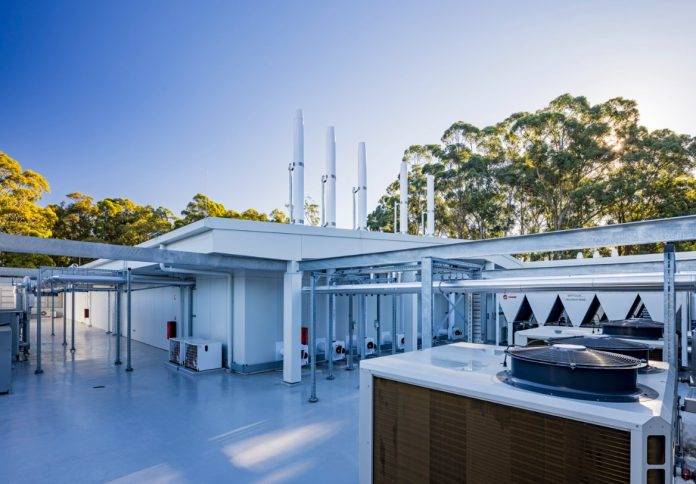
The facility was designed by HDR for Health Infrastructure, in collaboration with the Office of the Chief Scientist & Engineer, the NSW RNA Bioscience Alliance, Hindmarsh Construction, and facility operator Aurora Biosynthetics. Spanning 4,500 square meters, the facility represents a $96 million investment by the New South Wales Government and is now fully operational.
Specifically built to support the full development of RNA technology from research to clinical readiness, the facility is equipped with pDNA and mRNA production suites, lipid nanoparticle encapsulation capabilities, pilot-scale fill-and-finish operations, and integrated quality assurance and quality control laboratories.
HDR stated that the facility's design supports the Therapeutic Goods Administration's approval pathway and complies with Good Manufacturing Practice operational requirements. Project lead Ady Chen noted that the facility was designed with adaptability in mind, aiming to evolve alongside emerging scientific and technological developments, with rapid adjustment capabilities and carefully managed visibility of activity spaces to maintain the precision and containment required for RNA production. The design integrates the building into the surrounding landscape, creating a human-scale and restorative environment to support the well-being of personnel working there. HDR applied Data-Driven Design methods and computational modeling workflows to test the facility against multiple future production scenarios, thereby achieving flexibility in production lines, workflows, utility requirements, and regulatory expectations.
Design lead Alan Boswell explained that the building strives for a balance between scientific requirements and the natural environment. The building's horizontal form is composed of slender vertical elements that echo the surrounding forest and draw natural light deep into the interior, creating a calm, grounded environment for complex RNA science while respecting the site's cultural and ecological characteristics. Collaboration with Macquarie University's Walanga Muru, the Office of the Pro Vice-Chancellor, Indigenous Strategy, and consultant Belanjee informed the project's architectural and landscape outcomes, incorporating cultural narratives, Indigenous medicinal knowledge, and spaces for ceremony and reflection. Sustainability measures include passive design strategies, fully electric services powered by renewable energy, water conservation measures, and embodied carbon reduction targets. The project also includes biodiversity enhancement, shading strategies, and light spill control.
Graeme Spencer, HDR's Education and Science Lead, stated that the facility will support the development and manufacturing of RNA-based therapies in Australia. By combining flexible pilot-scale manufacturing with collaborative research spaces, the facility enhances sovereign capability and supports tangible health outcomes. HDR noted that the project expands its portfolio of science and technology facilities across Australia, including related work at the Westmead Health Precinct, the CSIRO Australian Centre for Disease Preparedness, and the Sydney Biomedical Accelerator.
This article is compiled by Wedoany. All AI citations must indicate the source as "Wedoany". If there is any infringement or other issues, please notify us promptly, and we will modify or delete it accordingly. Email: news@wedoany.com