CorrectSequence's CS-206 Therapy Shows 15 Months Without Vaso-Occlusive Crisis
en.Wedoany.com Reported - CorrectSequence Therapeutics Co., Ltd. has announced 15-month follow-up data for CS-206, a high-precision base editing therapy for sickle cell disease (SCD). A 21-year-old female Nigerian patient, the "first in China" to receive this therapy, has experienced no vaso-occlusive crises (VOCs) for over 15 months post-engraftment, meeting the primary efficacy endpoint.
Prior to treatment, this patient had recurrent severe VOCs. After receiving CS-206 in February 2025, she achieved neutrophil engraftment on day 13 and a platelet count exceeding 50×10^9/L on day 21. Starting 60 days after the last red blood cell transfusion, the patient remained free of VOCs and anemia for 13 consecutive months. Within one month of treatment, fetal hemoglobin (HbF) levels continuously increased, while sickle hemoglobin (HbS) levels steadily decreased. From the third month post-treatment, the HbF-to-HbS ratio stabilized at approximately 6:4 and remained stable. No product-related adverse events have been observed to date.
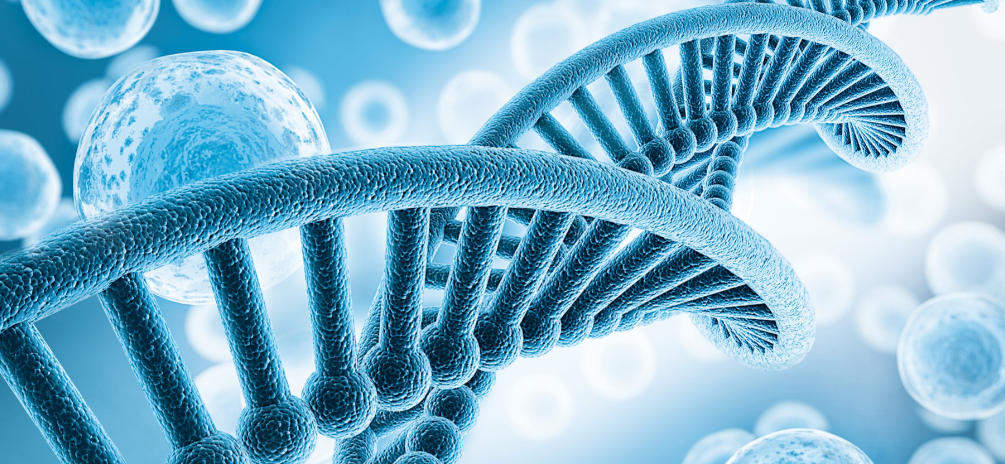
CS-206 is a proprietary base editing therapy independently developed by CorrectSequence. It utilizes a high-precision transformation base editor (tBE), an original gene editing technology developed by CorrectSequence's scientific co-founders (Wang et al., Nature Cell Biology, 2021). This technology precisely edits the HBG1/2 promoter region in autologous hematopoietic stem cells collected from patients, mimicking naturally beneficial mutations found in healthy individuals, thereby reactivating γ-globin expression and increasing fetal hemoglobin levels.
Compared to CRISPR-based SCD gene editing therapies, CS-206 enables precise single-base correction without introducing DNA double-strand breaks, thus avoiding risks such as large genomic deletions, chromosomal abnormalities, and off-target mutations. This therapy also achieves rapid hematopoietic recovery and a substantial increase in fetal hemoglobin levels while reducing the proportion of sickle hemoglobin, effectively inhibiting red blood cell sickling and reducing vaso-occlusive crises and hemolysis.
SCD is an inherited hemoglobinopathy caused by mutations in the β-globin gene. Patients may experience chronic anemia, recurrent pain crises, infections, and progressive organ damage. Approximately 3.5% of the global population carries the sickle cell mutation gene, with about 300,000 infants born with the disease annually, particularly prevalent in Africa, the Mediterranean, the Middle East, and South Asia. Both SCD and β-thalassemia are hemoglobinopathies and among the most common monogenic genetic disorders worldwide, with approximately 7% of the global population carrying abnormal hemoglobin genes and an estimated 400,000 affected newborns each year.
Based on the same tBE technology platform and therapeutic pathway, CorrectSequence's CS-101 for β-thalassemia has cured over a dozen patients from China (Lai et al., Nature, 2026), Laos, Malaysia, and Pakistan in clinical trials. As of the end of May 2026, all patients treated with CS-101 have been transfusion-free for over 15 months, with the longest exceeding 30 months.
The investigator-initiated trial (IIT) for CS-206 in SCD is currently recruiting globally. CorrectSequence is accelerating the clinical development and commercialization of CS-101 and CS-206, aiming to provide safer, more effective, and more affordable treatment options for hemoglobinopathy patients worldwide.
This article is compiled by Wedoany. All AI citations must indicate the source as "Wedoany". If there is any infringement or other issues, please notify us promptly, and we will modify or delete it accordingly. Email: news@wedoany.com