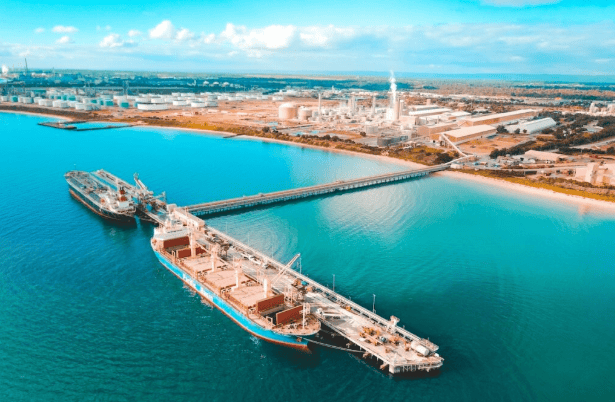
en.Wedoany.com Reported - Under the pressure of shipping decarbonization, urban environmental governance and port-related industrial upgrading, Port Construction is increasingly moving toward green and low-carbon development. In the past, port projects focused mainly on throughput capacity and handling efficiency. Today, they must also consider energy consumption, emission control, dust treatment, wastewater management, shore power, clean energy equipment and ecological restoration.
Port operation is energy-intensive. Quay cranes, yard cranes, portal cranes, belt conveyors, ship loaders, terminal tractors, tugboats, lighting systems and cold chain warehouses all create continuous energy demand. If a port relies heavily on high-energy-consuming equipment and traditional fuels, it may face higher operating costs and stronger environmental pressure. Green port construction therefore needs to begin with the energy system and equipment structure.
Shore power is one of the important facilities in green port development. When vessels use shore power during berthing, emissions from onboard auxiliary engines can be reduced. Shore power projects involve more than power supply capacity. They also require transformer equipment, cable systems, metering systems, ship-shore compatibility and operational management. For large ports, shore power must be coordinated with berth planning, vessel schedules and load management to create real environmental value.
Bulk terminals and ore terminals usually place more emphasis on dust control. Enclosed belt conveyors, spraying systems, windbreak walls, enclosed storage sheds, cleaning and recycling devices and environmental monitoring systems are common parts of green port engineering. For liquid chemical terminals and oil terminals, volatile gas control, leakage monitoring, fire protection and emergency collection systems are more important. The environmental focus of each port depends on cargo type and operation mode.
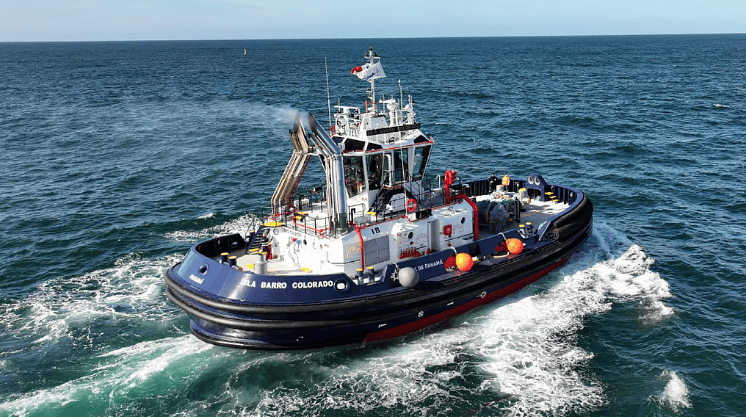
Clean energy equipment is also being applied more widely in port areas. Electric terminal tractors, hybrid tugboats, rooftop photovoltaic systems, energy storage, charging facilities and smart energy management platforms can help reduce energy consumption and emissions during port operation. For port companies, green transformation is not simply about replacing individual machines. It requires rethinking energy supply, equipment scheduling, maintenance systems and investment recovery models.
From the engineering market perspective, green port construction is creating demand for new equipment and services. Environmental protection equipment, shore power systems, electrified port machinery, wastewater treatment systems, vapor recovery units, intelligent monitoring platforms, energy storage and energy management systems will all become important parts of port upgrading. Engineering companies and equipment suppliers that can provide integrated green port solutions will be better positioned in high-standard construction and renovation projects.
Overall, green port construction is not a single environmental project. It is a systematic upgrade of port energy systems, equipment, operation and management. Future port competitiveness will be measured not only by throughput capacity, but also by low-carbon capability, environmental performance and sustainable operation.
This article is compiled by Wedoany. All AI citations must indicate the source as "Wedoany". If there is any infringement or other issues, please notify us promptly, and we will modify or delete it accordingly. Email: news@wedoany.com