en.Wedoany.com Reported - As port throughput grows, vessels become larger and supply chains demand higher efficiency, Port Construction is increasingly moving toward smart terminal development. A smart port is not simply a port with more automated equipment. It is an operating system that connects terminal operation, yard management, transport coordination and safety supervision through sensing systems, communication networks, automation equipment, data platforms and intelligent dispatching.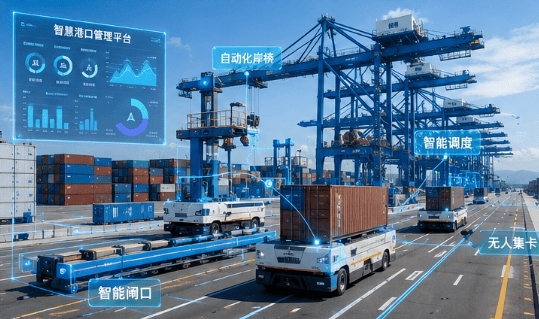
Port operation involves many links, machines, vehicles and cargo types. Traditional management based on manual experience and separated systems is no longer enough for high-efficiency, high-safety and low-cost operation. The core value of smart port construction is to improve resource allocation through digital tools. Smart gates can reduce vehicle waiting time. Automated yards can improve space utilization. Intelligent dispatching systems can coordinate quay cranes, yard cranes, terminal tractors and yard operations more effectively.
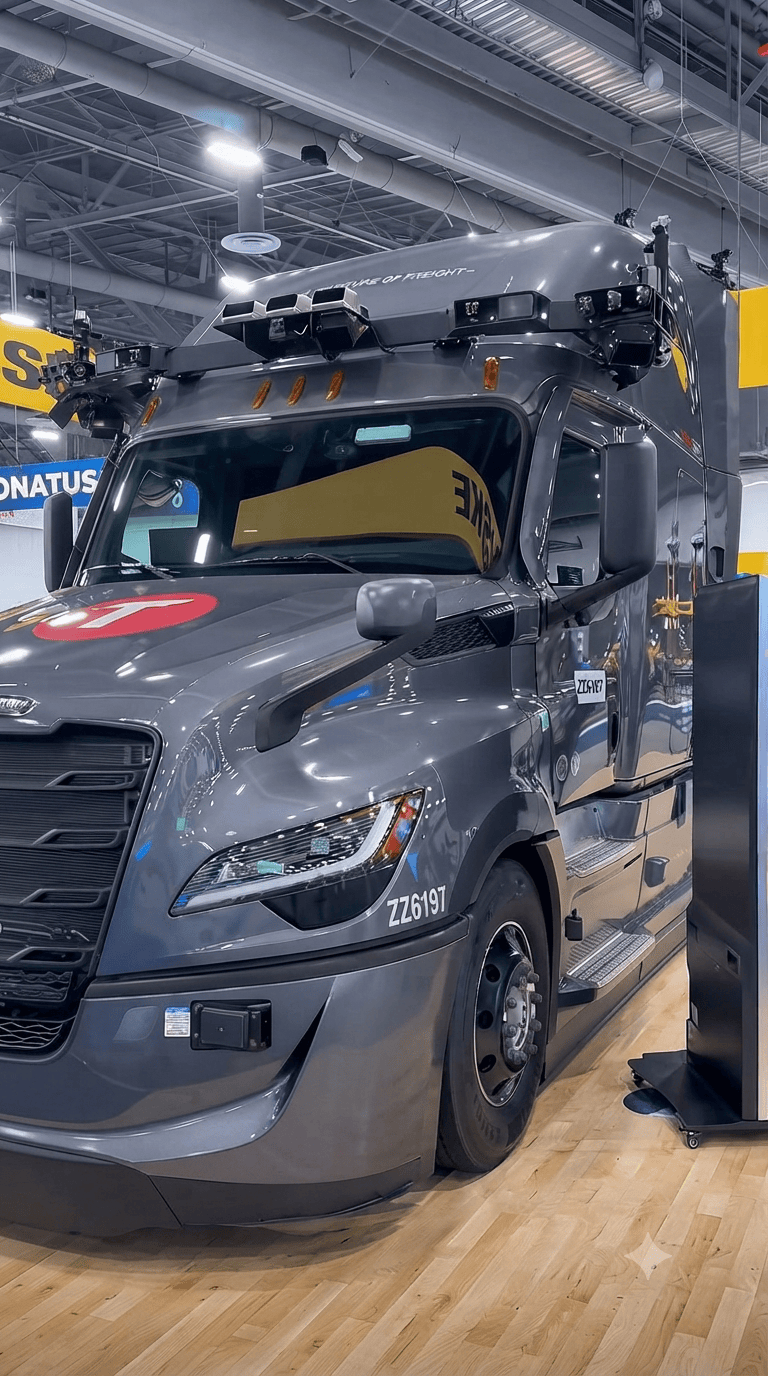
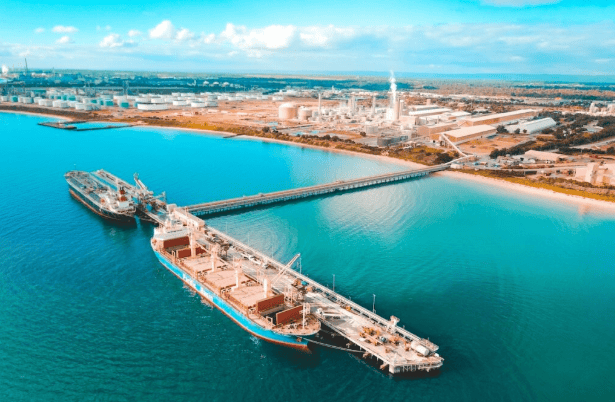
Automated terminals are an important form of smart port construction. In container terminals, automated quay cranes, automated rail-mounted gantry cranes, unmanned terminal tractors, smart yard management systems and remote-control centers can improve operational standardization. For bulk cargo and liquid cargo terminals, smart development focuses more on conveyor monitoring, material flow control, tank management, environmental monitoring, safety warning and equipment condition management. Different port types require different digitalization paths.
The data platform is the center of a smart port. Port operation involves information from vessels, cargo, equipment, personnel, vehicles, warehouses, customs and logistics companies. If data systems are isolated, even advanced equipment may not create full operational efficiency. Through a unified data platform, ports can manage vessel berthing plans, loading and unloading schedules, yard dispatching, vehicle movement, equipment status and safety risks in a more coordinated way.
Smart port construction also creates higher requirements for communication and cybersecurity. Automated equipment, remote-control systems, video recognition, positioning systems, private communication networks, industrial internet platforms and cloud systems may all become part of the digital foundation. The more complex the system becomes, the more important data security, communication stability, backup systems and emergency response become.
For port companies, intelligence is not simply a software upgrade. It is a deep transformation of production processes, organizational management and maintenance models. Successful smart port construction requires coordination among engineering design, equipment selection, digital platforms, operational rules and workforce training.
From the industrial opportunity perspective, smart port construction will continue to drive demand for port machinery, sensors, industrial communication, autonomous driving, dispatching software, video recognition, edge computing, cybersecurity and system integration services. For Chinese companies, combining port engineering experience, equipment manufacturing and digital system integration capability can create stronger participation opportunities in domestic and overseas port upgrading projects.
Overall, smart port construction is reshaping port competitiveness. Future port advantages will depend not only on shoreline resources and terminal scale, but also on the ability to use digital systems to improve operational efficiency, reduce operating costs, strengthen safety control and optimize supply chain coordination.
This article is compiled by Wedoany. All AI citations must indicate the source as "Wedoany". If there is any infringement or other issues, please notify us promptly, and we will modify or delete it accordingly. Email: news@wedoany.com