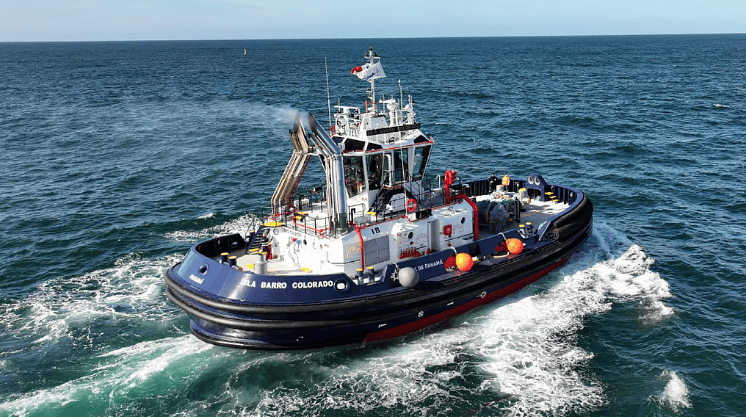
en.Wedoany.com Reported - According to Wedoany.com, port construction is a key foundation for transport infrastructure, international trade, and regional industrial development. As global supply chains continue to adjust and port-related industries become increasingly concentrated, port projects are no longer limited to the construction of berths, yards, and waterways. They are evolving into integrated logistics hubs, industrial service platforms, and multimodal transport nodes.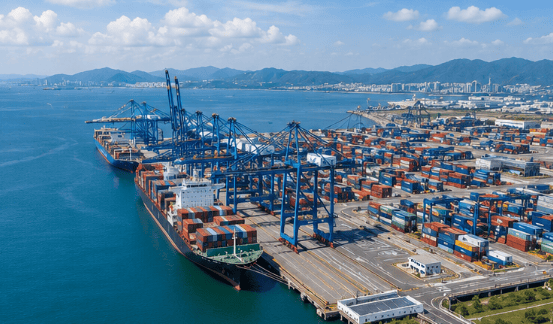
Traditional port construction mainly focused on shoreline resources, berth capacity, cargo-handling equipment, yard space, and navigation channel conditions. However, with the increasing size of vessels and changes in cargo flows, today’s port projects need stronger coordination among deep-water berths, specialized terminals, inland waterway corridors, and back-end logistics space. A competitive port is determined not only by whether it can accommodate large vessels, but also by whether cargo can move efficiently among ports, railways, highways, inland waterways, warehouses, and industrial parks.
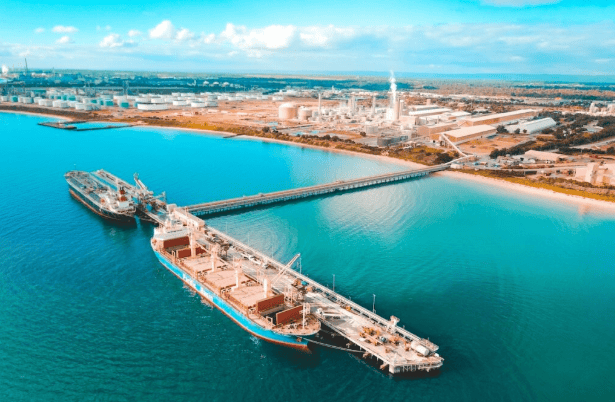
In container terminal construction, factors such as automated yards, smart gates, quay crane efficiency, yard crane dispatching, and information system coordination are becoming increasingly important. For bulk cargo ports, liquid chemical terminals, ore terminals, and grain terminals, loading and unloading technologies, dust control, conveying systems, storage facilities, and safety management are equally critical. Different types of cargo require different engineering logic, so port construction should be designed according to local industrial structures, trade flows, and cargo characteristics.
The development of port-related industries is also changing the logic of port projects. More and more ports are no longer merely transit points for goods. They are becoming closely connected with industries such as petrochemicals, steel, equipment manufacturing, cold chain logistics, cross-border e-commerce, energy trade, and bonded processing. Therefore, port projects must incorporate terminal operations, warehousing, distribution, value-added processing, customs services, and supply chain support into a broader system-level consideration.
From an engineering perspective, port construction involves hydraulic structures, ground treatment, dredging, terminal equipment, storage systems, road networks, power and communication systems, environmental protection facilities, and digital operation platforms. Such projects usually have long development cycles, complex interfaces, and large investment scales. Engineering contractors, designers, equipment suppliers, and operators must work closely together to ensure efficient operation after the port is completed.
In the future, port construction will place greater emphasis on green development, intelligent operation, and resilient infrastructure. Shore power, clean energy equipment, electric terminal tractors, automated loading and unloading systems, digital dispatching, environmental monitoring, and safety early-warning systems will become important components of port infrastructure. For Chinese port engineering companies and equipment suppliers, opportunities are not limited to the export of port machinery, but also include port planning, project construction, system integration, and long-term operation services.
Overall, port construction is evolving from a single transport engineering task into comprehensive infrastructure that connects trade, industry, energy, and logistics. Companies that understand industrial demand, cargo flow efficiency, and port operation logic will be better positioned in future port development projects.
This article is compiled by Wedoany. All AI citations must indicate the source as "Wedoany". If there is any infringement or other issues, please notify us promptly, and we will modify or delete it accordingly. Email: news@wedoany.com