Armon Shipyard Delivers First Hybrid Tugboat for Panama Canal
en.Wedoany.com Reported - Armon Shipyard in Vigo, Spain, has delivered the first new hybrid harbor tugboat, "Isla Barro Colorado," to the Panama Canal, marking the first of ten tugboats in this series.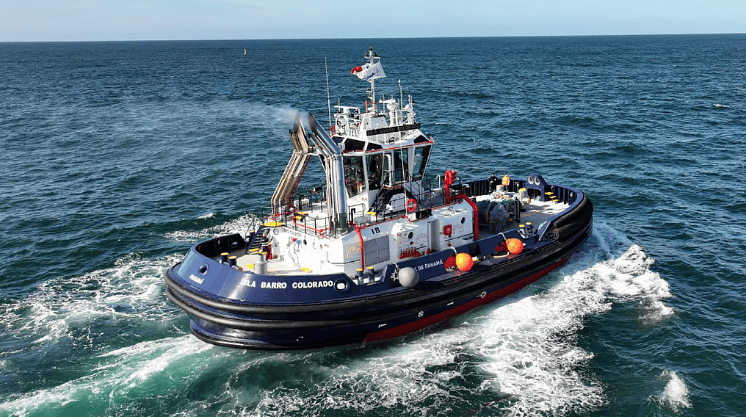
Armon Shipyard told Baird Maritime that the vessel is part of a series of hybrid azimuthing stern drive (ASD) tugboats, comprising 10 firm orders and 10 optional orders placed by the same operator. The shipyard considers it an honor to be entrusted with such a large-scale fleet renewal program, which also demonstrates its shipbuilding capabilities.
Armon Shipyard noted that the tugboat represents an advancement in sustainable design. It combines a proven ASD configuration with hybrid propulsion technology, offering excellent maneuverability and high performance while reducing environmental impact through lower fuel consumption and emissions. The shipyard believes this vessel sets a benchmark for the next generation of harbor and escort tugboats.
The main challenge in building this tugboat was the integration of hybrid technology. Armon Shipyard stated that this integration required close collaboration among the shipyard, designers, equipment suppliers, and the owner. The complexity of the electrical architecture, battery system, and energy management software demanded a high level of engineering capability and coordination. These challenges also translated into learning opportunities, enabling the shipyard to accumulate expertise in hybrid propulsion, automation systems, and energy-efficient technology integration, while reinforcing the importance of early collaboration with all parties.
Armon Shipyard observed that decarbonization and improving operational efficiency are two major trends influencing the tugboat industry. They anticipate that as port environmental regulations tighten and operators seek to reduce their carbon footprint, demand for hybrid and fully electric propulsion solutions will continue to grow. Meanwhile, the importance of digitalization and automation is also increasing, with intelligent energy management systems, predictive maintenance tools, and remote monitoring capabilities becoming essential features of modern tugboats. Future tugboats will need to perform a wider variety of tasks with lower emissions and operating costs, and owners are increasingly focusing on the vessel's lifecycle cost. The shipyard believes that yards capable of successfully integrating advanced propulsion technologies while maintaining the robustness, reliability, and operational performance of tugboats will be better positioned to meet global market demands.
Related Products
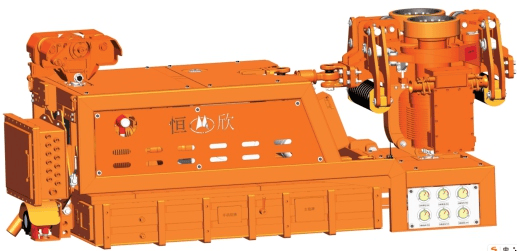

Explosion-proof lithium battery dispatching monorail crane locomotive (permanent magnet frequency conversion integrated machine)
Xiangtan Hengxin Industrial Co., Ltd.




One-Stop Steward Service for the Entire Logistics System Integration Chain
Zhongding Intelligent (Wuxi) Technology Co., Ltd.
Wheel and Track Technology Business
Beijing Research & Design Institute of Rubber Industry Co., Ltd.