Monthly Salary of Tanker Captains in the Strait of Hormuz Rises to as High as $100,000
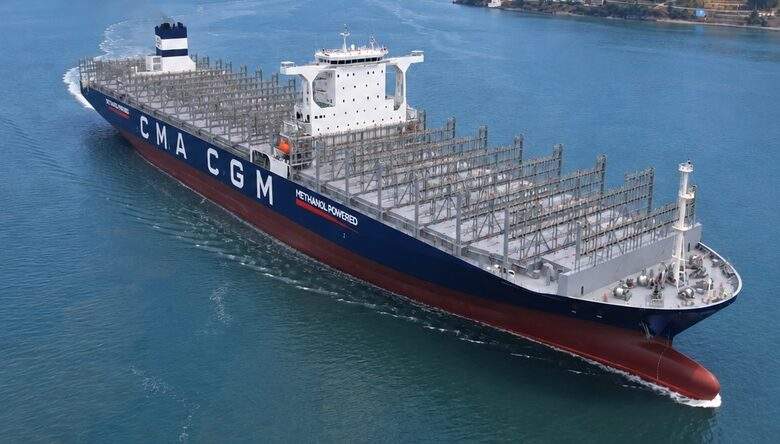
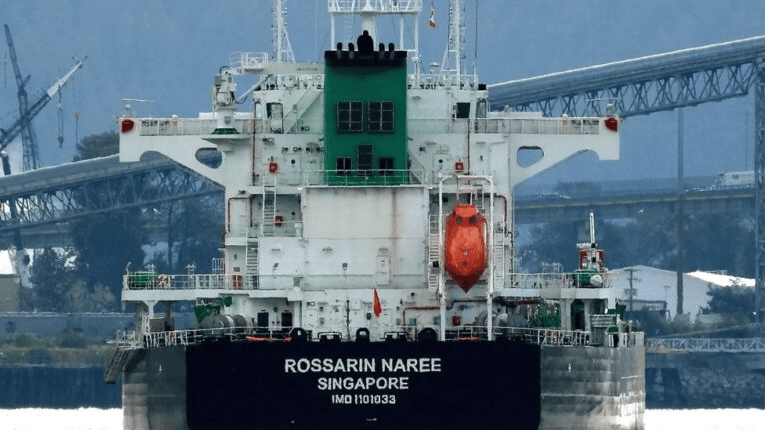
en.Wedoany.com Reported - On October 7, security risks for commercial vessels in the Strait of Hormuz and the Persian Gulf continued to rise, and the pay for tanker crews assigned to this route increased significantly. The monthly salary of some tanker captains reached as high as $100,000, with an additional bonus of about $50,000 for each entry into or transit through the Strait of Hormuz; under normal circumstances, a tanker captain's monthly salary is about $15,000. The pay received by ordinary crew members during actual transit through the strait has reached 4 to 6 times the normal level, and some voyages in adjacent waters have also begun to apply double wages.
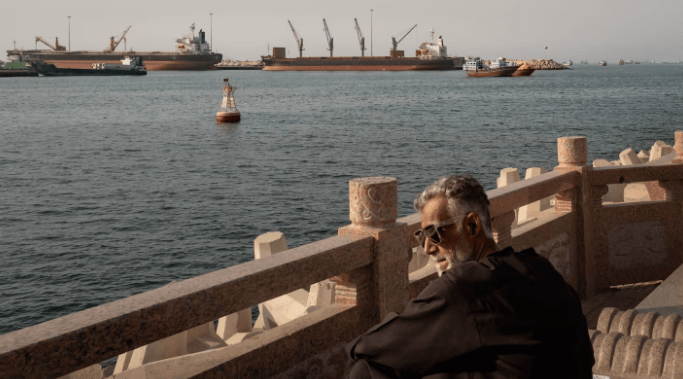
The normal monthly salary of an ordinary tanker crew member is about $1,500. As missile and drone attacks near the strait increase, some shipowners have begun using high-risk bonuses and short-term high-pay contracts to supplement crews, while some vessels are carrying out round trips involving loading oil inside the Persian Gulf and then sailing to the Gulf of Oman for ship-to-ship transfer. In July, some shipowners proposed paying crew members an additional bonus equivalent to 6 months' wages for completing one round trip through Hormuz.
Along with rising crew costs, war risk insurance premiums for tankers have risen to 6%–10% of hull value. At current rates, a very large crude carrier entering the Persian Gulf once could incur insurance costs of up to about $20 million. Daily charter rates for tankers on the Hormuz route have also risen to about $1.3 million, compared with typically about $20,000–$50,000 per day before the crisis. Marine fuel prices in Fujairah are about $686 per ton, up about 67% year on year.
Shipping patterns have also changed as risks have risen. Some Middle Eastern crude oil producers are using tankers inside the Persian Gulf to transport crude oil to waters near Fujairah, then transferring it via ship-to-ship transfer to external tankers. At present, about 12 million barrels per day of crude oil and 2 million barrels per day of refined products pass through the Strait of Hormuz into the Gulf of Oman and use a similar transfer system, extending tanker turnaround times and placing additional strain on global very large crude carrier capacity.
In September, Middle East crude oil and condensate exports once recovered to an average of 18.3 million barrels per day and exceeded pre-war levels on 14 days that month, but tanker attacks increased again in early October. The Strait of Hormuz still carries about one-fifth of the world's seaborne oil and liquefied natural gas volumes, and rising crew wages, war risk insurance, and tanker charter rates have become an important part of the cost of exporting Middle Eastern crude oil.
Related Products
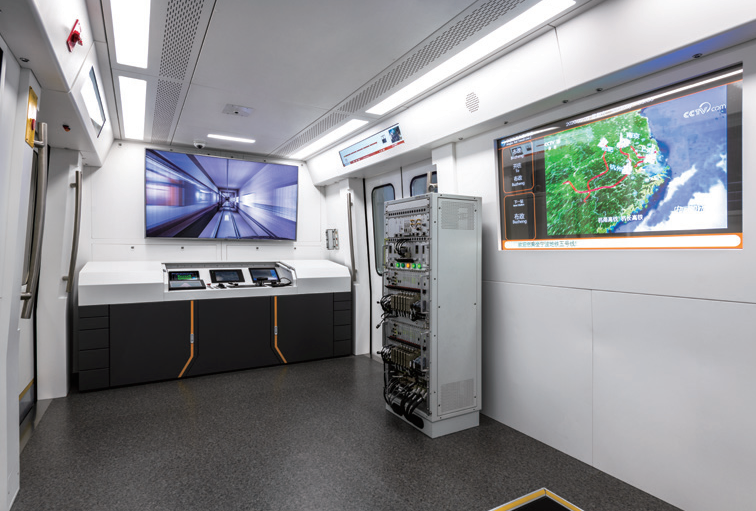



CLW5180TXSD6 Dongfeng Tianjin Washing and Sweeping Truck
ChengLi Special Automobile Co., Ltd.
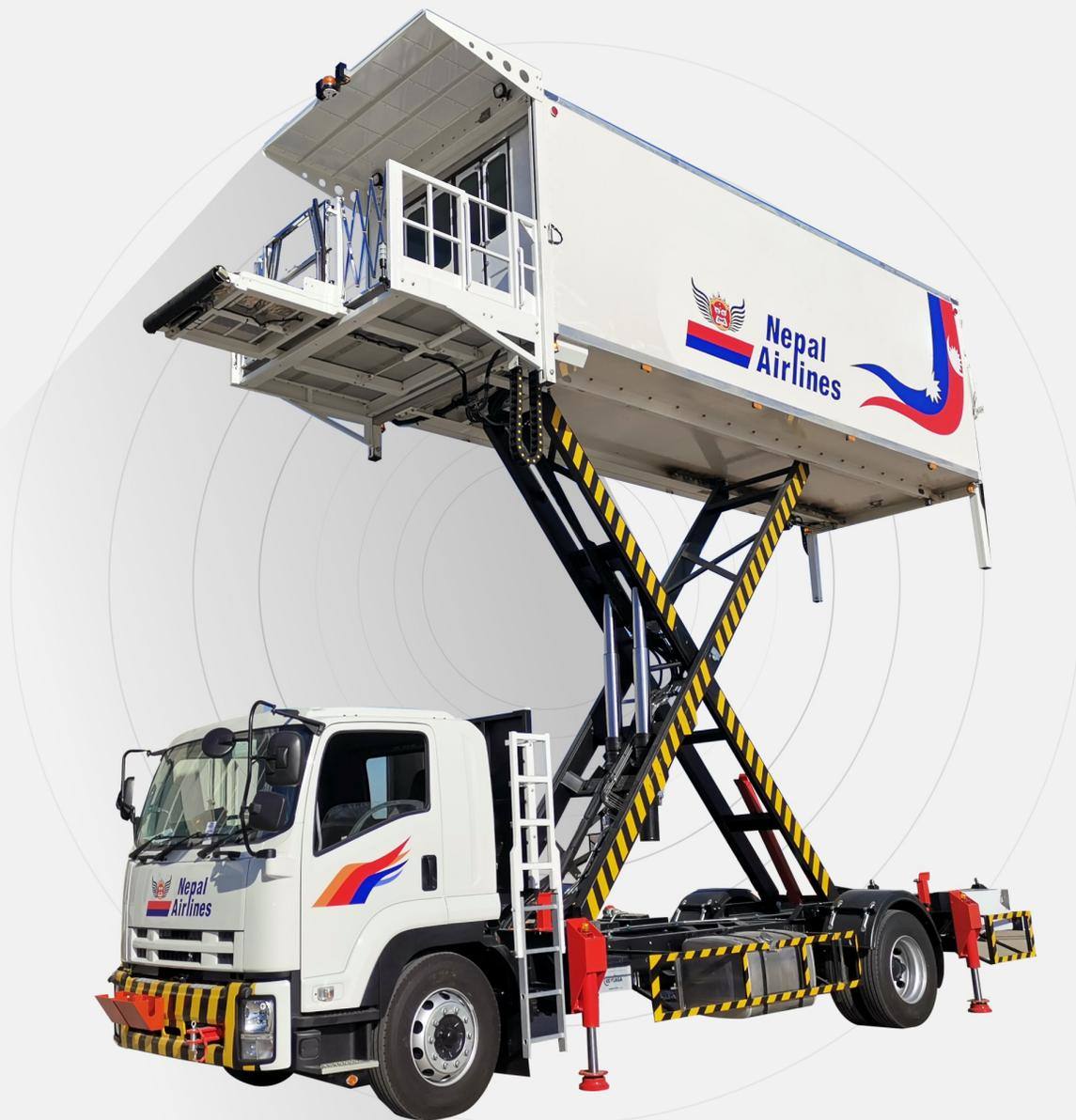
XC-6000e Type Aviation Catering Truck (Fuel Type)
Shenzhen CIMC-TianDa Airport Support Ltd.
Wheel and Track Technology Business
Beijing Research & Design Institute of Rubber Industry Co., Ltd.
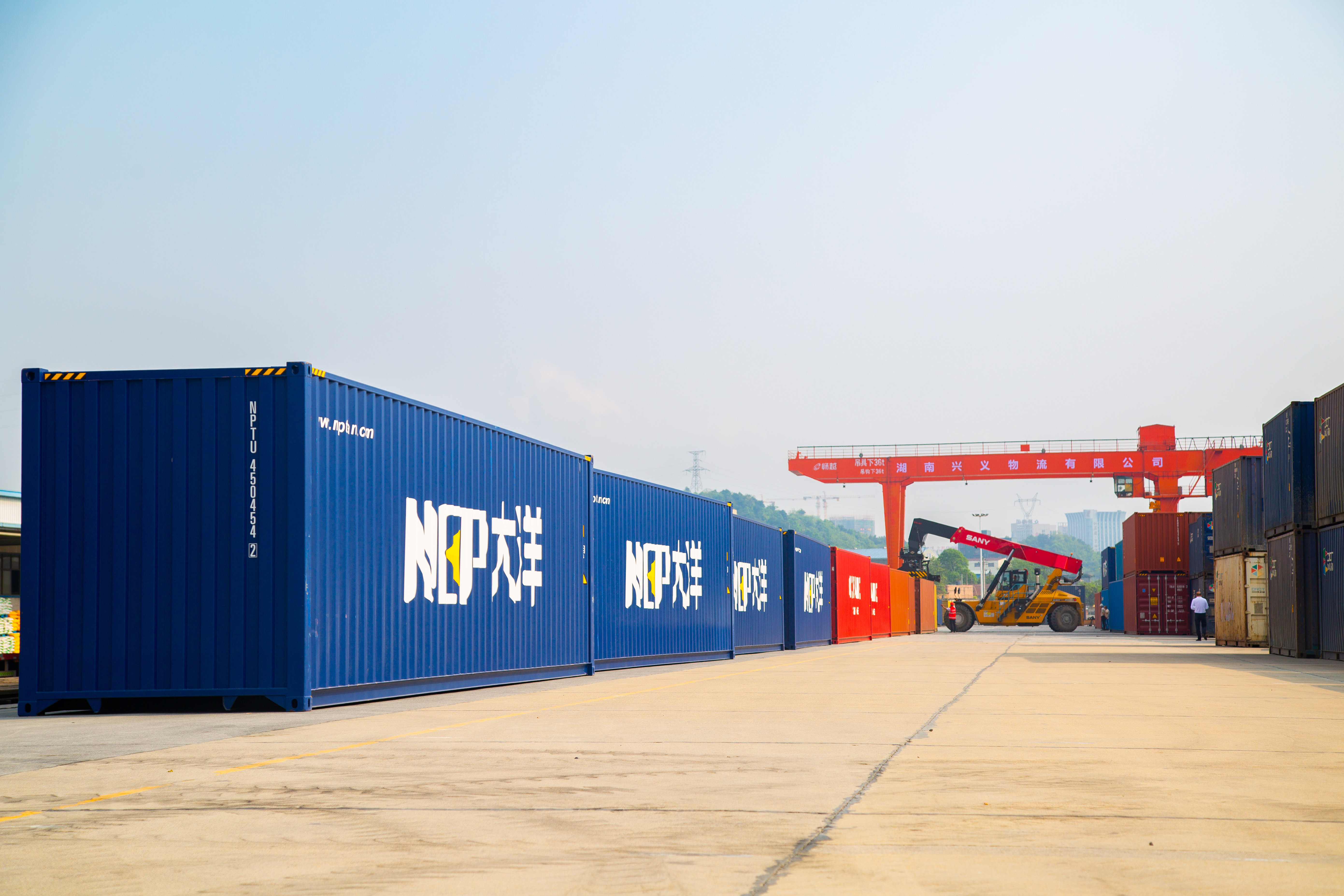
China - Alashankou/Khorgos - Europe Full Range Transportation (Mala/Hamburg/Duisburg/Budapest, etc.)
Shenzhen Neptune Logistics Co., Ltd.
![IVECO Cash-in-Transit [DMT5048XYCL3-AM] - Chongqing Dima Industry Co., Ltd](https://img.wedoany.com/2026/0911/20260911030157582.png)
WGQY Series Aircraft Tow Tractor-WGQY15, WGQY27
Weihai Guangtai Airport Equipment Co., Ltd.