MMR: Global Cruise Market Expected to Reach USD 38.48 Billion by 2034
en.Wedoany.com Reported - According to the latest analysis by Maximize Market Research (MMR), the global cruise market was valued at USD 19.41 billion in 2025 and is projected to grow at a compound annual growth rate (CAGR) of 7.9% from 2026 to 2034, reaching USD 38.48 billion by 2034. The study uses 2025 as the base year, with a forecast period of 2026–2034 and a historical period of 2020–2025.
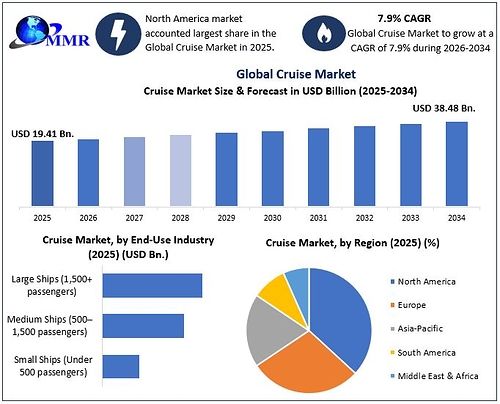
The global cruise market continues to expand, driven by the popularity of experiential travel, multi-destination vacations, luxury cruises, family vacations, adventure travel, and destination-oriented tourism. Modern cruises integrate transportation, accommodation, dining, entertainment, wellness, shopping, leisure, and shore excursions into a single travel experience. Tourism recovery, growth in first-time cruise passengers, the opening of new routes, fleet expansion, and increased passenger capacity are supporting market growth. In 2025, global ocean cruise passenger volume reached approximately 37.2 million, an increase of 7.5% compared to 2024. North America remains the leading source region, with more than 22 million cruise passengers in 2025; the Caribbean remains the most visited cruise destination, with more than 16 million passengers in the same year. In 2025, 310 ocean cruise ships were in operation globally, and nearly 80 new ocean, expedition, and river cruise vessels are in preparation for delivery by 2036. In 2024, cruise tourism generated USD 198.8 billion in global economic output and supported 1.8 million jobs; in 2025, approximately 35% of global ocean cruise travelers were under the age of 40.
Sustainable cruising, digitalization, premium travel, and investment in emerging cruise destinations are also shaping the market. Cruise operators are adopting LNG-capable ships, fuel-flexible vessels, shore power connections, energy-efficient propulsion, biofuel testing, advanced wastewater treatment systems, energy efficiency technologies, mobile applications, AI-supported personalized services, smart cabins, and digital onboard services.
By type, Mainstream Cruise Ships hold the leading position, accounting for approximately 50–55% of the market in 2025, supported by affordable pricing, large passenger capacity, strong brand influence, family-oriented itineraries, and extensive onboard entertainment; Premium Cruise Ships account for close to 30–32%; Luxury Cruise Ships account for approximately 15% and continue to see demand from affluent travelers seeking personalized service, premium hospitality, adventure travel, and exclusive destinations.
By size, large ships with a passenger capacity of more than 1,500 remain significant, as major cruise operators continue to invest in large vessels offering expanded accommodation, entertainment, dining, wellness, and leisure facilities; small and mid-sized ships support luxury, expedition, river, and destination-oriented cruise experiences.
Regionally, North America maintains its lead with mature cruise infrastructure, strong passenger demand, major homeports, and a well-developed cruise culture in the United States and Canada. In 2025, the region recorded more than 22 million cruise passengers, with popular destinations such as the Caribbean, Alaska, and Mexico continuing to support strong itinerary demand. Europe remains an important market, driven by Mediterranean and Northern European routes, cultural tourism, and premium travel demand; Asia-Pacific is gaining momentum as cruise tourism expands in China, Japan, and Australia, supported by rising disposable incomes and growing interest in experiential travel; the Middle East is developing through cruise hubs such as Dubai, while South America offers growth opportunities through Brazil, Argentina, the Amazon region, and other nature- and culture-focused itineraries.
In Singapore, the cruise industry has been strengthened by the launch of Disney Adventure in March 2026. The 208,000-ton ship is Disney Cruise Line's first cruise ship homeported in Asia, expanding premium and family cruise capacity in Southeast Asia, supporting Singapore's position as a major regional cruise hub, and reflecting growing demand in the Asia-Pacific market for luxury cruises, family travel, destination-based travel, and new cruise itineraries.
The global cruise market is highly competitive, with major companies focusing on fleet expansion, new ship launches, premium and luxury experiences, destination diversification, digitalization, and sustainable cruise technologies. Carnival Corporation & plc, Royal Caribbean Group, MSC Cruises, Norwegian Cruise Line Holdings, Disney Cruise Line, Viking, Princess Cruises, Celebrity Cruises, Costa Cruises, and TUI Cruises remain important players in the global market; luxury operators such as Regent Seven Seas Cruises, Silversea Cruises, Seabourn, Crystal, and Oceania Cruises compete through personalized service, smaller ships, premium hospitality, and destination-oriented itineraries.
The study's list of major participants in the global cruise market also includes Holland America Line, AIDA Cruises, P&O Cruises, Cunard, Virgin Voyages, Azamara, Hurtigruten, HX Expeditions, Ponant, Celestyal Cruises, Explore Journeys, Scenic Luxury Cruises & Tours, Emerald Cruises, Riverside Luxury Cruises, American Cruise Lines, American Queen Voyages, UnCruise Adventures, Atlas Ocean Voyages, Windstar Cruises, Paul Gauguin Cruises, Quark Expeditions, Swan Hellenic, SeaDream Yacht Club, Sea Cloud Cruises, Fred. Olsen Cruise Lines, Saga Cruises, Marella Cruises, Ambassador Cruise Line, A-ROSA Cruises, AmaWaterways, Avalon Waterways, European Waterways, Tauck, Riviera Travel, and Dream Cruises.
Recent developments indicate that competition is increasingly shifting toward fleet modernization, regional expansion, and differentiated cruise experiences. Royal Caribbean Group announced a significant expansion of its Celebrity Cruises river fleet, Disney Cruise Line launched Disney Adventure in Singapore, Norwegian Cruise Line added Norwegian Luna to enhance premium capacity, Viking expanded its luxury ocean offerings with Viking Mira, and Regent Seven Seas Cruises is preparing for the first transatlantic voyage of Seven Seas Prestige. Companies are strengthening their positions through larger fleets, luxury and expedition products, digital onboard services, new itineraries, and investment in cleaner, more efficient ship technologies.
In terms of regional share, North America dominates due to mature port infrastructure and a strong vacation culture, with the United States and Canada remaining the primary drivers of global industry growth. In terms of sustainability, operators are prioritizing directions such as LNG-powered ships and waste reduction, and investing in renewable energy and environmental technologies to meet the growing demands of eco-conscious global travelers. In terms of digitalization, the integration of the Internet of Things (IoT), virtual reality (VR), and mobile applications is simplifying the booking process and providing personalized onboard digital experiences to enhance competitiveness.
Analysts emphasize that the global cruise market is growing in importance as experiential travel, luxury travel, family vacations, expedition cruising, and multi-destination vacations continue to support passenger growth. Fleet expansion, new ship launches, digital booking, onboard technology, and sustainable cruise operations are strengthening the market, while North America continues to lead global demand with mature cruise infrastructure and a strong passenger base. Companies that expand their fleets, improve the passenger experience, invest in cleaner propulsion technologies, strengthen digital services, and enter high-growth destinations are likely to shape the market landscape through 2034. The above analysis was published by Maximize Market Research (MMR).
Related Products


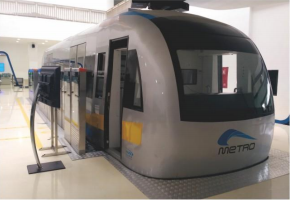


Wheel and Track Technology Business
Beijing Research & Design Institute of Rubber Industry Co., Ltd.

Explosion-proof lithium battery dispatching monorail crane locomotive (permanent magnet frequency conversion integrated machine)
Xiangtan Hengxin Industrial Co., Ltd.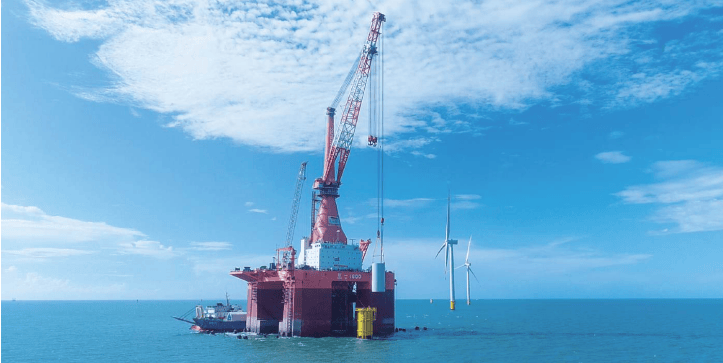
"Shunyi 1600" Deep-submerging Bottom-sitting Multi-functional Wind Power Engineering Vessel
Zhengli Offshore Engineering Co., Ltd.
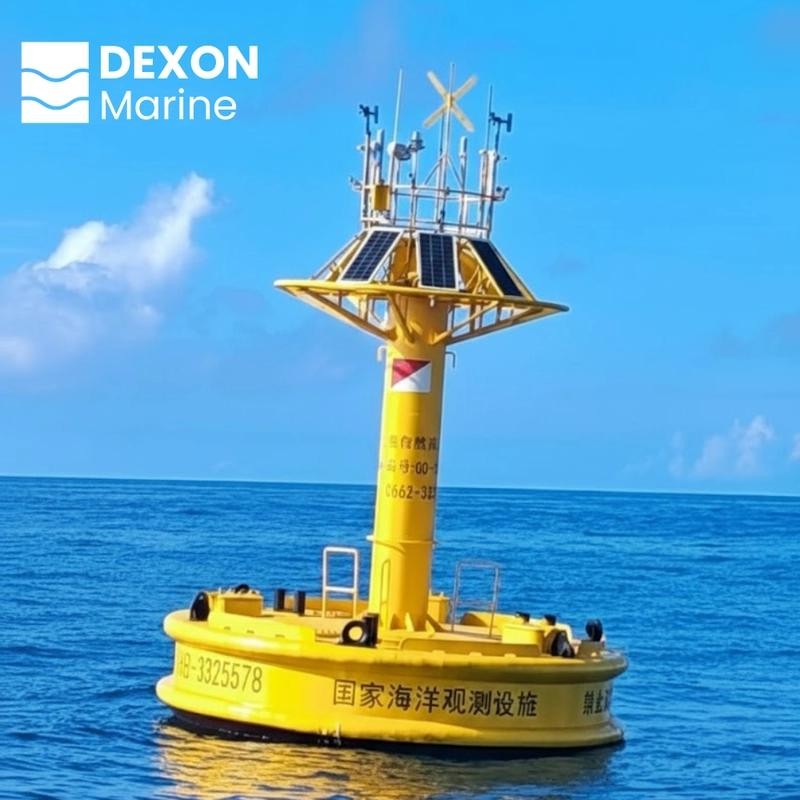
3m intelligent buoy combining navigation safety and real-time marine monitoring integrated navigation and marine monitoring system for real-time maritime data
Chengdu Dixin Technology Co., Ltd.

Pantograph-Catenary Comprehensive Detection Device (1C)
CHENGDU TANGYUAN ELECTRIC CO., LTD.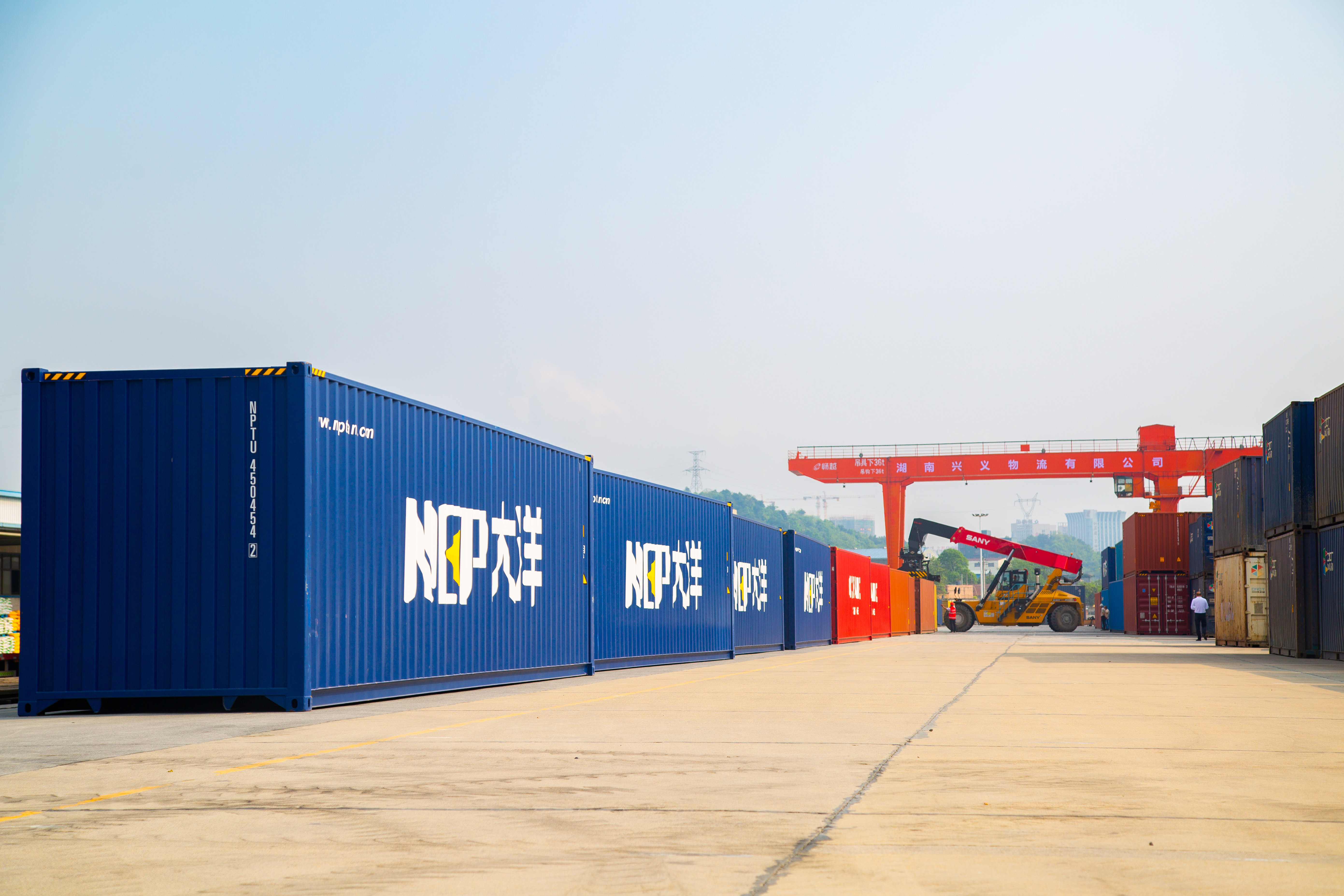
China - Alashankou/Khorgos - Europe Full Range Transportation (Mala/Hamburg/Duisburg/Budapest, etc.)
Shenzhen Neptune Logistics Co., Ltd.