U.S. Container Imports Rose to 2.6 Million TEU in August, Port Transportation Still Congested
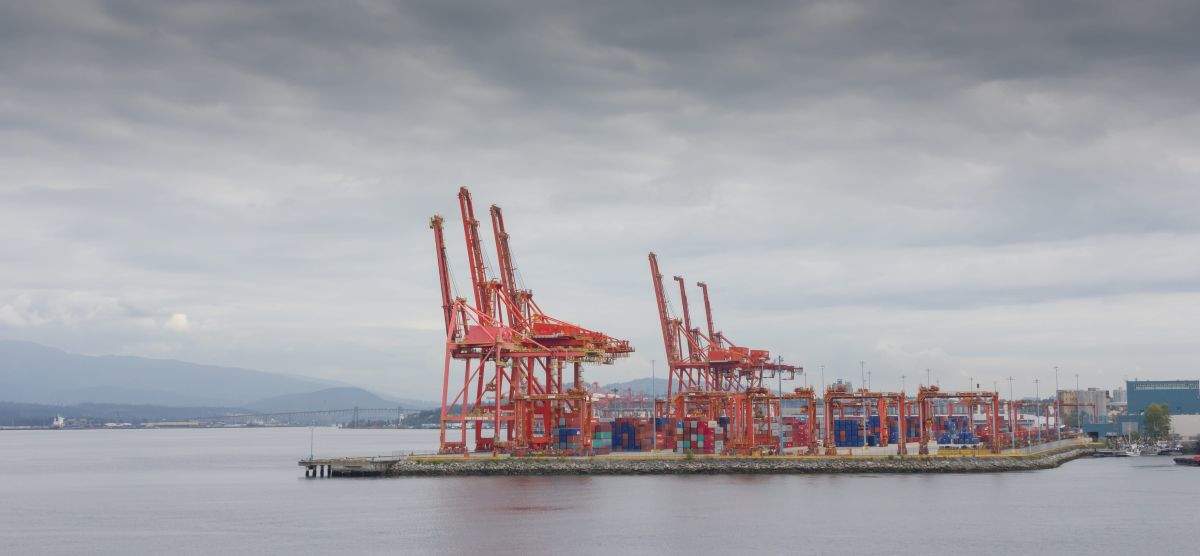
en.Wedoany.com Reported - On September 29, Transport Topics cited monthly data from Descartes Systems Group in reporting that U.S. container imports reached 2.6037 million TEU in August, up 3.3% year over year and 3.8% month over month, marking the third-highest monthly level in history. The Port of Los Angeles handled 955,900 TEU that month, down 0.3% year over year, but processed approximately 2.9 million TEU cumulatively over the three months from June to August, the busiest three-month period in the port's history; the Port of Long Beach handled 919,990 TEU in August, up 2% year over year, the fifth-highest monthly level in the port's history.
The rise in port import volumes did not simultaneously drive U.S. long-haul truckload freight demand. James Roe, head of shipping, logistics and infrastructure at AlixPartners, said that to cope with tariffs and shipping uncertainty, retailers brought holiday inventory into the United States ahead of schedule, with goods first concentrated at ports but not yet clearly translating into dry van trucking demand. He also noted that weakening consumer confidence and some carriers exiting the market mean that current improvements in truck rates come more from capacity contraction than from across-the-board volume growth.
Equipment turnover pressure in the Southern California port complex continues to rise. Data from the Pacific Merchant Shipping Association shows that in August, the average dwell time for truck container pickups at the Port of Los Angeles and the Port of Long Beach was 2.95 days, while the average dwell time for rail containers rose to 6.75 days, a relatively high level over the past year. The Harbor Trucking Association said that difficulties in returning empty containers are occupying terminal yard space and further causing chassis shortages, import container retention and longer truck turnaround times.
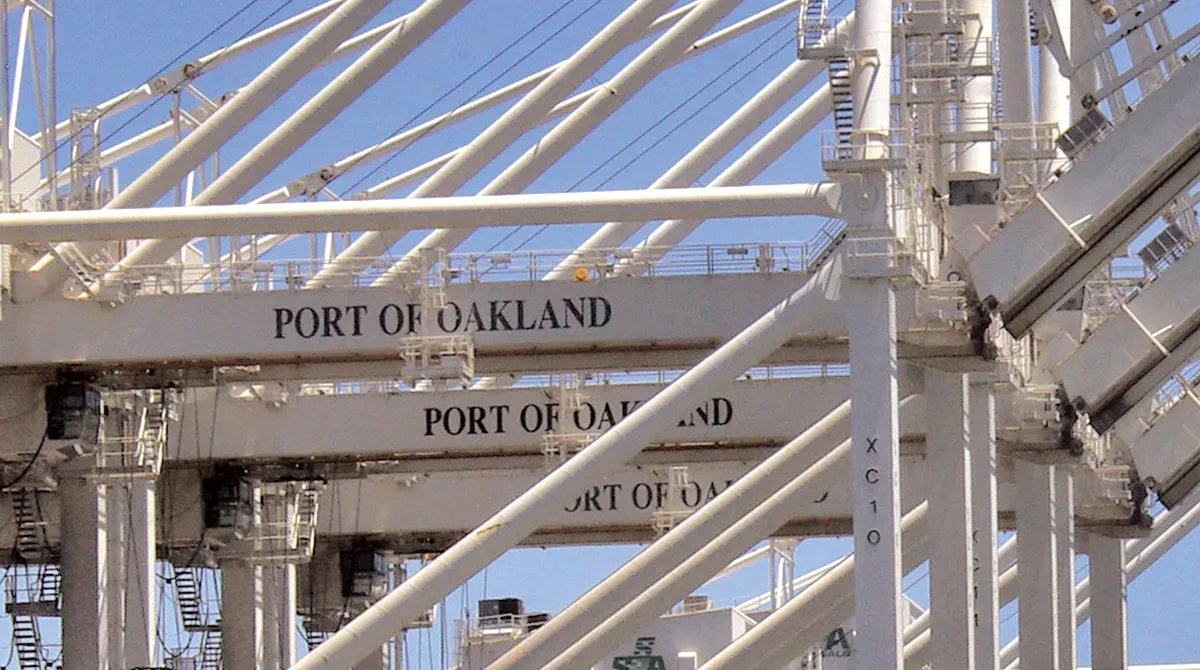
Other major U.S. ports showed mixed performance in August. Throughput at the Northwest Seaport Alliance fell 8.2% year over year to 235,800 TEU; the Port of Houston rose 0.9% year over year to 373,800 TEU; the Port of Oakland fell 9.6% year over year to 173,800 TEU. Project44 data shows that average daily truck traffic around the Port of New York and New Jersey fell about 10% month over month, while that around the Port of Tacoma fell about 30%.
Similar divergence had already appeared at major U.S. ports in July. The Port of Los Angeles and the Port of Long Beach handled 960,500 TEU and 928,500 TEU respectively that month, both the second-highest July levels in their respective histories, but U.S. domestic freight demand remained relatively weak, with port-area pressure more concentrated in drayage, transloading, chassis and localized outbound capacity.
Related Products

China - Alashankou/Khorgos - Europe Full Range Transportation (Mala/Hamburg/Duisburg/Budapest, etc.)
Shenzhen Neptune Logistics Co., Ltd.
GSR6-27.5kV SF6 Free Gas-insulated Metal-enclosed Switchgear
Zhejiang Juhonkia Intelligent Electric Co., Ltd.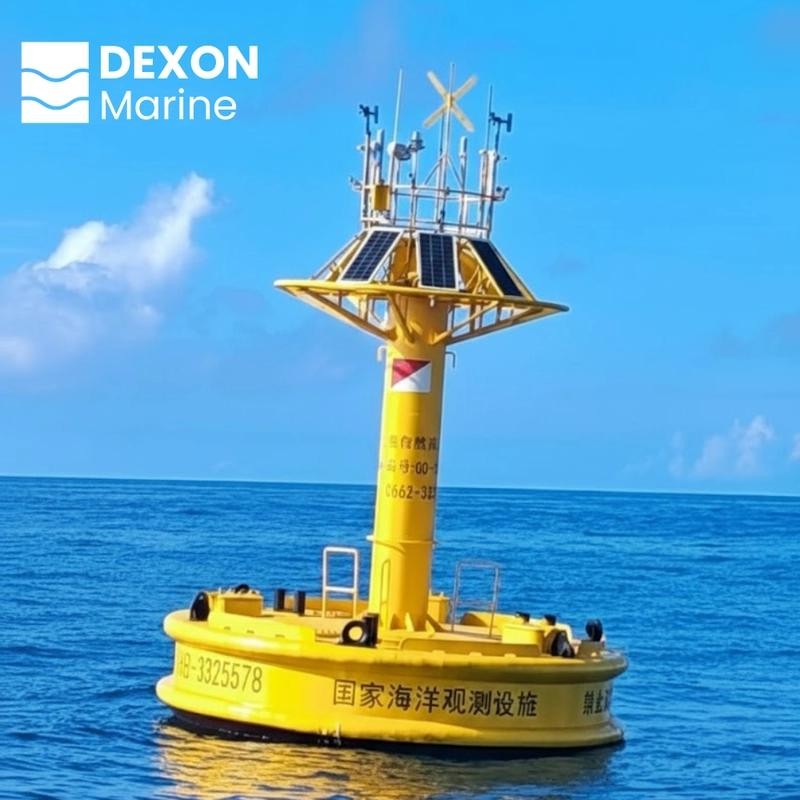
3m intelligent buoy combining navigation safety and real-time marine monitoring integrated navigation and marine monitoring system for real-time maritime data
Chengdu Dixin Technology Co., Ltd.


Industrial and Commercial Point-Type Gas Detector
Jinan Benan Technology Development Co., Ltd.
ERW Welded Pipe (Black Pipe and Hot-dip Galvanized Steel Pipe)
Handan Zhengda Steel Pipe Co., Ltd.