Fraunhofer IGCV Develops Multi-Material 3D Printing Process for Rocket Engines
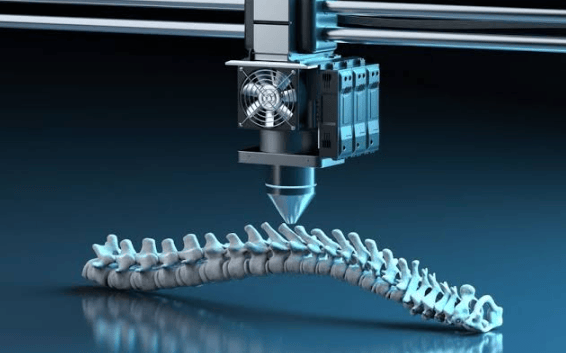
en.Wedoany.com Reported - Germany's Fraunhofer Institute for Casting, Composites and Processing Technology (Fraunhofer IGCV), under the framework of a major EU research project, is developing a multi-material additive manufacturing process for rocket components based on selective laser melting (SLM). The process aims to reduce costs and development time, improve material efficiency, and decrease Europe's dependence on foreign access to space. It allows two or more powder materials (such as different metals or alloys) to be simultaneously melted by laser beam energy, producing components with varying material properties—such as different hardness or corrosion resistance—in a single manufacturing process. Component designs can be directly adjusted on a computer and printed immediately; the design flexibility of 3D printing saves preparation time and enables rapid iteration when requirements change. Experts estimate that this process could save weeks in rocket engine development.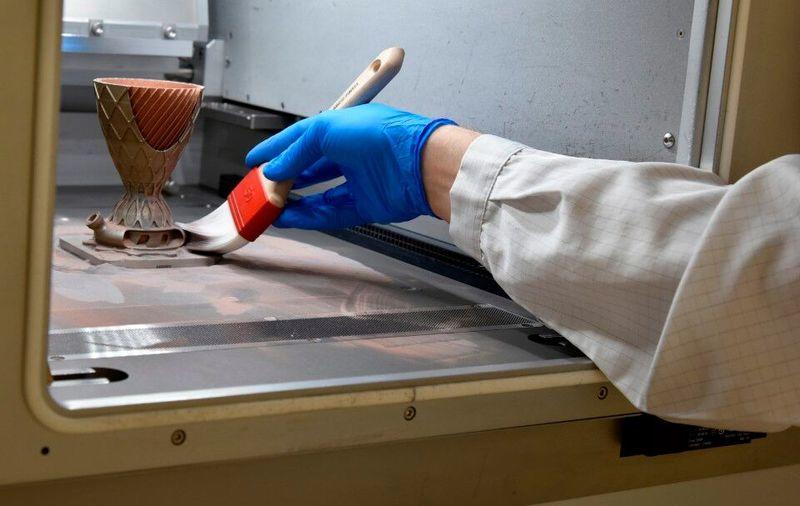
Using this metal 3D printing variant, researchers at IGCV in Augsburg directly manufactured a multi-material demonstrator for rockets—a valve component made of alternating magnetic and non-magnetic steel alloys. According to scientists, this component helps maintain stable orientation of the rocket during flight. The high density and precise material distribution verified in the laboratory confirm the required component performance. Currently, researchers are comparing this 3D-printed prototype with a traditionally milled and welded version to demonstrate its advantages in functionality, efficiency, cost, and production cycle time for next-generation Ariane engines.
Related Products



Pneumatic high-pressure wear-resistant ball valve
Zhejiang Deca Control Valve Meter Co., Ltd.
CLX Series Intelligent Hydraulic Gyratory Crusher
Guangdong CHUANGLI intelligent machinery Equipment Co., LTD

Industrial and Commercial Point-Type Gas Detector
Jinan Benan Technology Development Co., Ltd.