German Otto Ganter Releases Three-Level Stainless Steel Classification Scheme
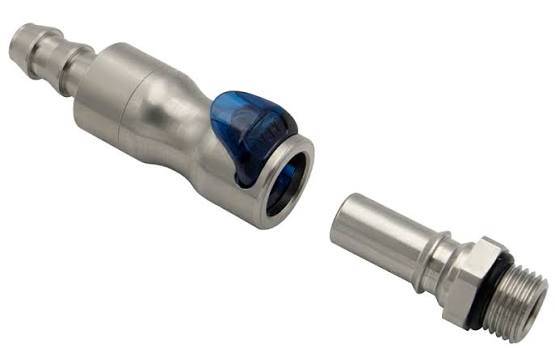
en.Wedoany.com Reported - German Otto Ganter recently released a material classification scheme for industrial standard parts users, simplifying its stainless steel products into three grades to help users quickly select the appropriate material type based on corrosion resistance requirements.
Stainless steel, due to its high corrosion resistance, has been widely used in many industrial fields for manufacturing standard parts. However, its alloy types are numerous and performance varies significantly. Ganter believes that proper material selection directly affects the economy, service life, and functional performance of components. The company announced from its Furtwangen headquarters that the new classification system is based on the V2A/V4A naming system established by Krupp AG in the early 20th century, with each grade corresponding to a clearly defined range of requirements.
Grade 1 is intended for environments with low corrosivity, namely so-called rural atmospheres. Standard parts of this grade are suitable for moving parts that may come into contact with highly diluted alkalis, acids, or low-concentration saline solutions, offering moderate to good rust resistance. Ganter states that this grade represents a compromise between cost and usually sufficient resistance. Representative materials include free-cutting austenitic stainless steel 1.4305 (X8CrNiS 18 9), suitable for turned parts, and cast material 1.4405 (X5CrNiMo 16 5) with a martensitic structure.
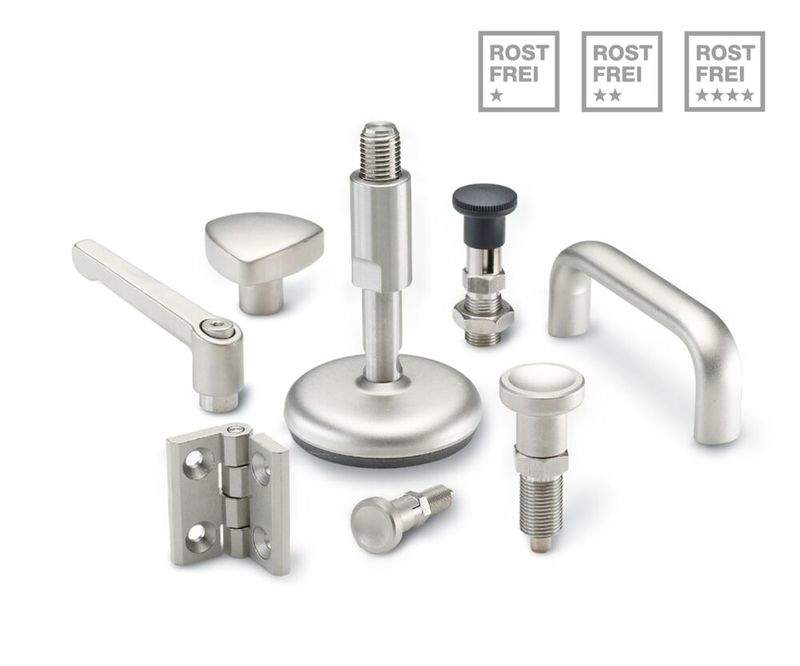
Grade 2 refers to the A2 series test steel with typical chromium-nickel alloy content. This grade is intended for applications in urban atmospheres with higher corrosion resistance requirements. Standard parts are suitable for equipment with high hygiene demands in the food industry, faucets, or situations expected to be exposed to natural environments. Ganter states that the most well-known and widely used material in this grade is X5CrN18 10 (material number 1.4301), belonging to stainless steel group A2, commonly used for stamped parts and laser-cut components.
Grade 4 is intended for marine and offshore applications, swimming pools with chlorinated water and saltwater baths, as well as scenarios where strong corrosive cleaning agents must be used. The chromium, nickel, and molybdenum content gives this grade high resistance to acids and alkalis. The representative material X2CrNiMo17 12 2 (material number 1.4404) belongs to stainless steel group A4 and is commonly used for turned parts due to its good machinability. For cast-optimized workpieces, the alloy X6CrNiM18 10 (material number 1.4408) is used, meeting high durability requirements in forms such as precision-cast bow handles.
Related Products
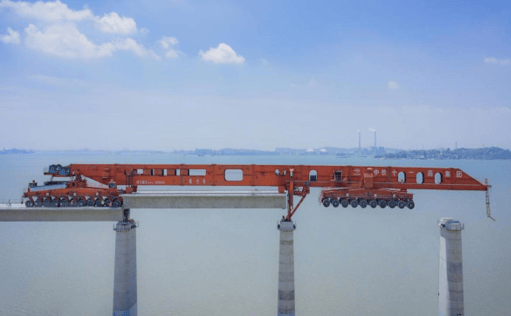

High-Speed Railway Lifting, Transporting, and Erecting Equipment: Integrated Transport and Erection Machine
Hanjiang Heavy Industry Co., Ltd. of China Railway 11th Bureau Group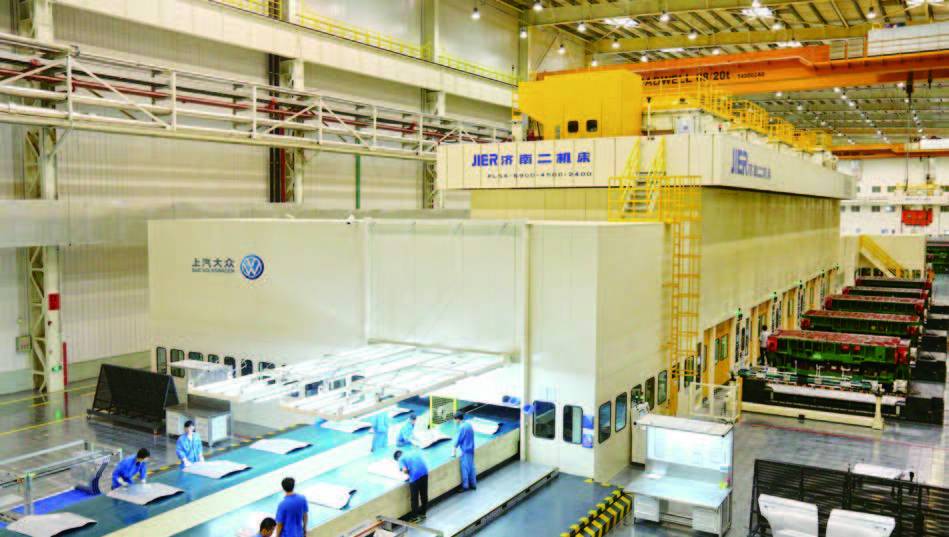
High-Speed Flexible Fully Automatic Stamping Production Line
JIER Machine-Tool Group Co., Ltd.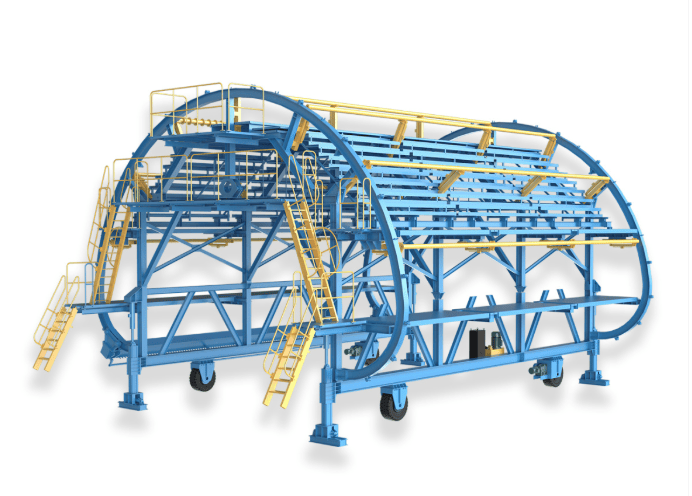
QLZNGJ Intelligent Steel Reinforcement Trolley
Luoyang China Railway Qiangli Machinery Co., Ltd.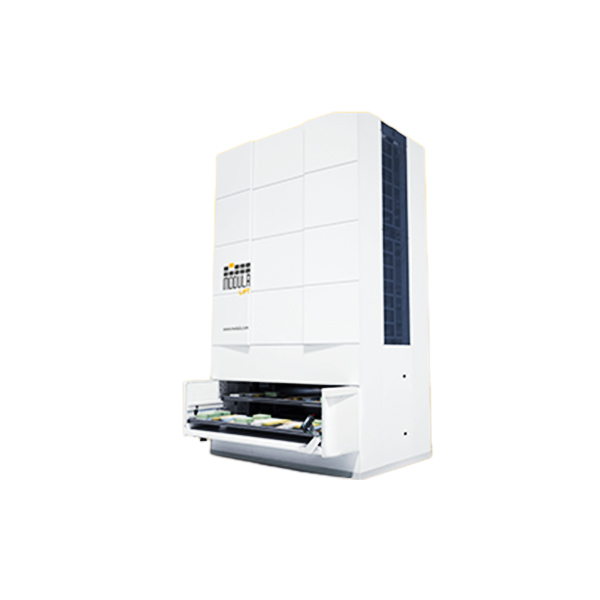
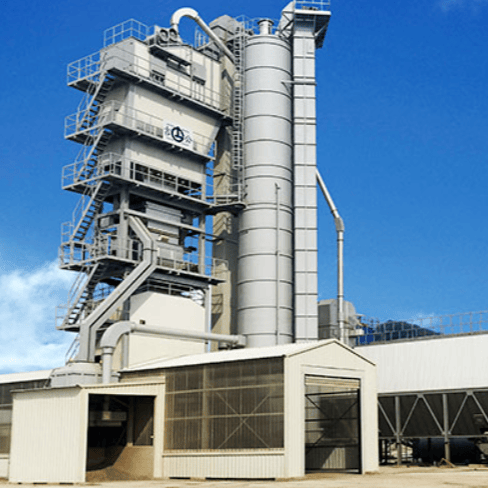
LBH4000 Batch Environmental Protection Asphalt Mixing Plant | Asphalt Batching Plant | Asphalt Mixing Plant
Jilin Province Road Construction Machinery Co., Ltd.

Pneumatic high-pressure wear-resistant ball valve
Zhejiang Deca Control Valve Meter Co., Ltd.
CAP1400 main feedwater flow nozzle flowmeter.
Jiangsu Hongda Instrument Technology Co., LTD.

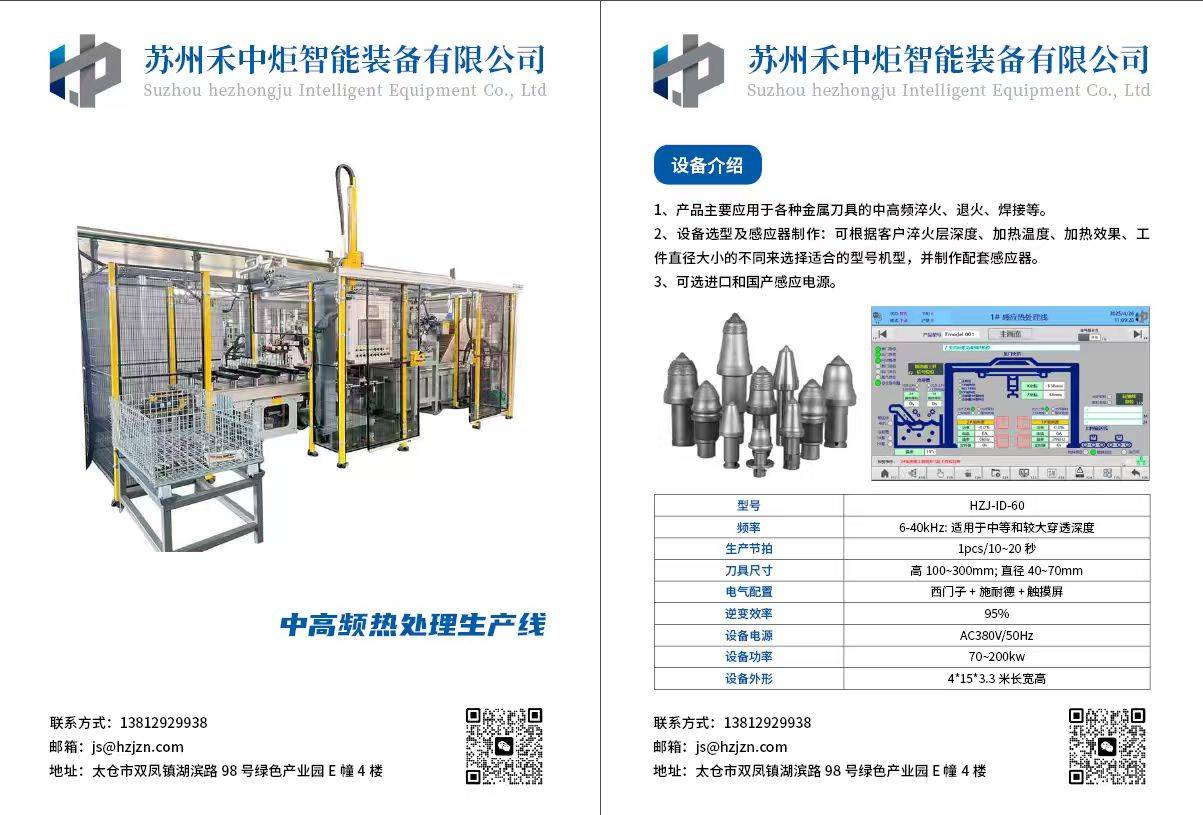
Excavator Bucket Teeth Heat Treatment Production Line
Suzhou Hezhongju Intelligent Equipment Co., Ltd.
Standard Nozzle Flowmeter
Jinggong Automatic Control Instrument Complete Technology Development Company