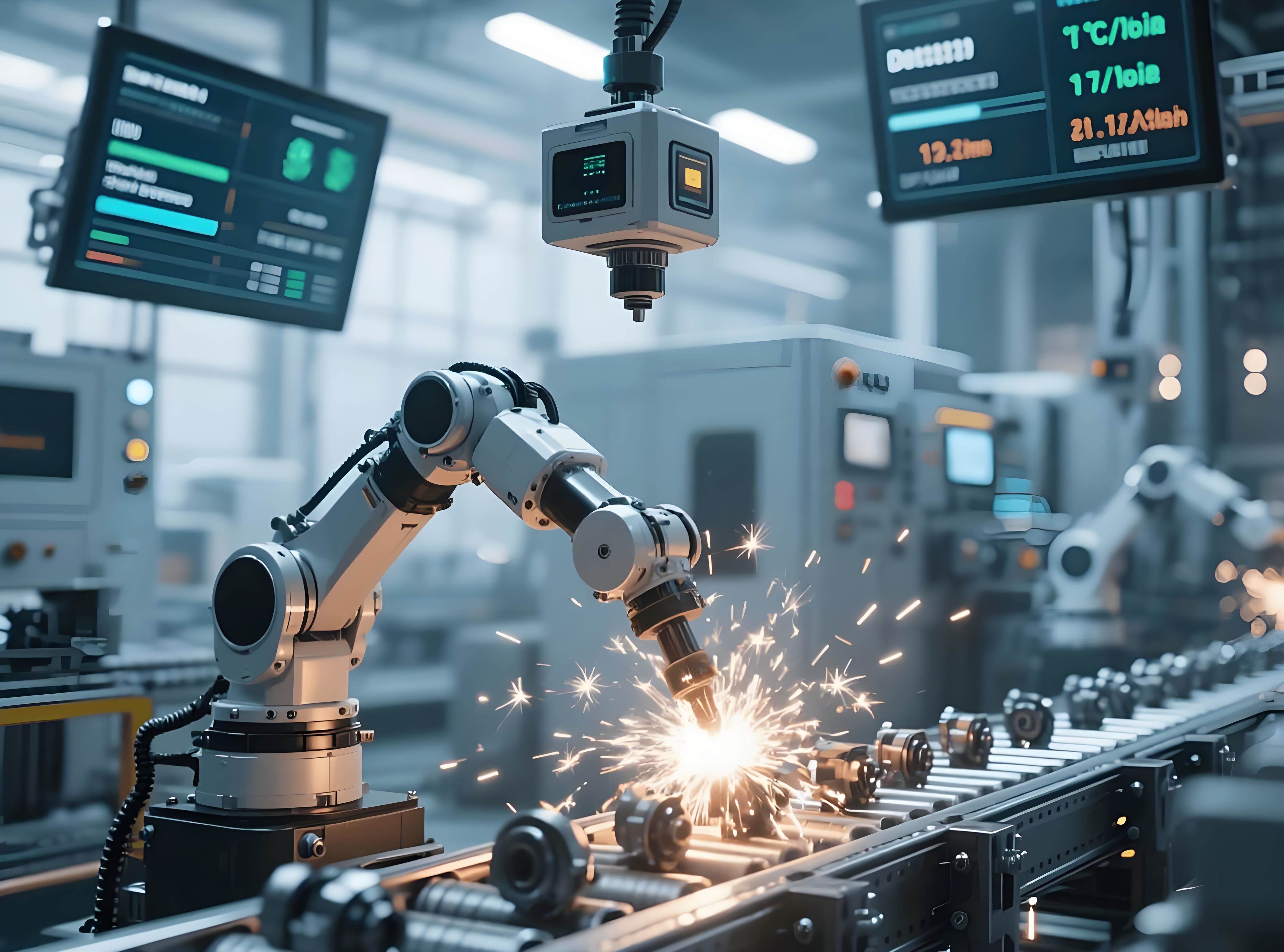
en.Wedoany.com Reported - On June 1, Aptiv announced in Schaffhausen, Switzerland, an expansion of its cooperation with NVIDIA, focusing on building production-grade edge artificial intelligence capabilities based on the NVIDIA Jetson platform and next-generation platforms such as Jetson Thor. The collaboration extends from computing hardware to long-term software support, security maintenance, compliance adaptation, and commercial delivery, aiming to make edge AI platforms more suitable for long-term deployment in scenarios such as industrial automation, robotics, automotive, and communications.
This partnership addresses the most critical bottleneck in transitioning edge AI from development boards and prototype validation to production-level deployment. For distributed intelligent devices, computing platforms are only a prerequisite. Once deployed in factories, vehicles, robots, and communication sites, systems require a stable embedded Linux environment, continuous vulnerability monitoring, security patches, lifecycle management, and a maintainable software stack. Through engineering and market collaboration around the Jetson ecosystem, covering both the existing Jetson installed base and next-generation platforms like Jetson Thor, Aptiv and NVIDIA aim to transform the originally development-oriented edge computing environment into a commercially supportable, maintainable, and scalable edge AI platform. Aptiv's support includes long-term maintenance of the meta-tegra board support package for NVIDIA's Yocto Project platform, commercial-grade lifecycle management, security updates, and ongoing maintenance. By leveraging the Yocto platform compliant with the EU Cyber Resilience Act, it reduces customer uncertainty regarding compliance, liability, and subsequent maintenance. For embedded systems requiring multi-year operational cycles, such capabilities directly impact whether production-level deployment can transition from small-scale validation to long-term procurement and volume delivery.
The cooperation focuses on the software foundation, compliance readiness, and long-term support of the Jetson ecosystem. Aptiv will also align with the mainline Yocto Project and Wind River Linux to reduce system fragmentation and lower subsequent maintenance costs.
This also indicates that edge AI is moving from "running models" to "long-term operation." The update cycles of industrial sites, robots, in-vehicle systems, and communication equipment differ from consumer electronics. Customers prioritize system security, compatibility, patch updates, and supply sustainability over a multi-year lifecycle. For Jetson Thor to enter the broader embedded systems market, beyond chip performance and inference capabilities, it requires a more stable engineering path encompassing development environments, operating systems, driver adaptation, the CUDA ecosystem, the Yocto environment, and meta-tegra components. Aptiv's role is to integrate long-term support, commercial-grade embedded Linux, compliance platforms, and customer-facing deployment services into the Jetson ecosystem, enabling device manufacturers to reduce redundant adaptation and post-deployment maintenance pressure when transitioning from prototypes to production-level deployment. For the edge AI industry chain, the value of such collaboration lies in shortening the gaps between chip platforms, system software, and industry delivery, making robot control, smart gateways, in-vehicle computing, industrial vision, and field intelligent devices easier to enter mass production cycles.
Aptiv's expanded cooperation with NVIDIA also reflects that the competitive focus in the intelligent systems market is shifting toward long-term maintainability. As edge AI devices enter more industries, customer procurement decisions will simultaneously consider computing power, software stability, compliance risks, and lifecycle costs. If production-level deployment capabilities become part of the Jetson ecosystem, embedded system companies, device manufacturers, and industry customers will find it easier to bring edge AI from experimental environments into long-term operational scenarios.
This article is compiled by Wedoany. All AI citations must indicate the source as "Wedoany". If there is any infringement or other issues, please notify us promptly, and we will modify or delete it accordingly. Email: news@wedoany.com