Google Launches Dual-Model Collaborative Programming Feature on Antigravity Platform
en.Wedoany.com Reported - On November 12, Google launched Orchestrator, a multi-model orchestration feature, in its AI development platform Antigravity, while simultaneously releasing the Gemini 4 Hydrogen model. The new feature combines a model responsible for complex reasoning and task planning with a model responsible for code writing and test execution in the same development session, automatically switching models based on task progress. Developers can use Gemini 4 Carbon or Gemini 4 Argon for code analysis and implementation planning, after which Gemini 4 Hydrogen completes file modifications, code writing, software builds, and test verification.
Orchestrator employs a bidirectional model collaboration mechanism, differing from the traditional routing approach of selecting a single model based on the initial prompt. After a task is initiated, the planning model first inspects the codebase in read-only mode, identifying software dependencies, technical issues, and potential conflicts, and generates a specific implementation plan. Once planning is complete, the execution model takes over the task, modifying files, updating packages, writing code, and running tests according to the plan.
If consecutive test failures occur during execution, actual runtime results diverge from expectations, or new problems arise that the original plan cannot cover, Hydrogen returns control to the planning model. The latter re-examines the current code state, adjusts the implementation plan, and then hands the task back to Hydrogen to continue execution. Longer tasks can also receive periodic check-ins from the planning model during execution to verify completed work and adjust subsequent steps. The entire model handoff process is completed automatically within the same session, requiring no manual model switching by developers.
The Orchestrator launched this time offers two configurations. The first uses Gemini 4 Carbon as the planning model with Hydrogen responsible for execution; the second uses Gemini 4 Argon as the planning model, with Hydrogen likewise handling the concrete development work. Google's published test results show that Orchestrator, while achieving a task success rate close to that of Carbon running alone, reduces quota usage by an average of 24% and improves task completion speed by 19%.
Gemini 4 Hydrogen can also be used as a standalone model, primarily targeting everyday programming, software maintenance, and multi-step execution tasks. The model supports four reasoning intensity levels: low, medium, high, and ultra-high, with an officially published context window of 1 million tokens. In software development scenarios, it can be used for dependency upgrades, code refactoring, bug fixes, unit test writing, and codebase retrieval. Google's published Terminal-Bench 4.1 score is 57%, higher than the previous generation 3.8 Flash's 18.2%.
Gemini 4 Hydrogen has been gradually rolled out to Google AI Pro and Ultra paid subscribers. The Carbon planning version of Orchestrator is available to Ultra users, while the Argon planning version is available to Pro and Ultra users. Enterprise customers can access the relevant model capabilities through Gemini enterprise services. Hydrogen can also be invoked separately through Google's model API, with officially published pricing of $1.5 per million input tokens and $7.5 per million output tokens.
Multi-model collaboration also increases management requirements in enterprise software development. InfoWorld, citing industry analysis, points out that when different models jointly participate in code planning, modification, and testing, enterprises need to clarify each model's operational permissions, code modification attribution, and audit records, and restrict agents' access to source code, keys, and production environment credentials. For development tasks involving enterprise intellectual property, it is also necessary to verify the data processing locations, retention rules, and relevant service agreements for prompts and source code.
Related Products

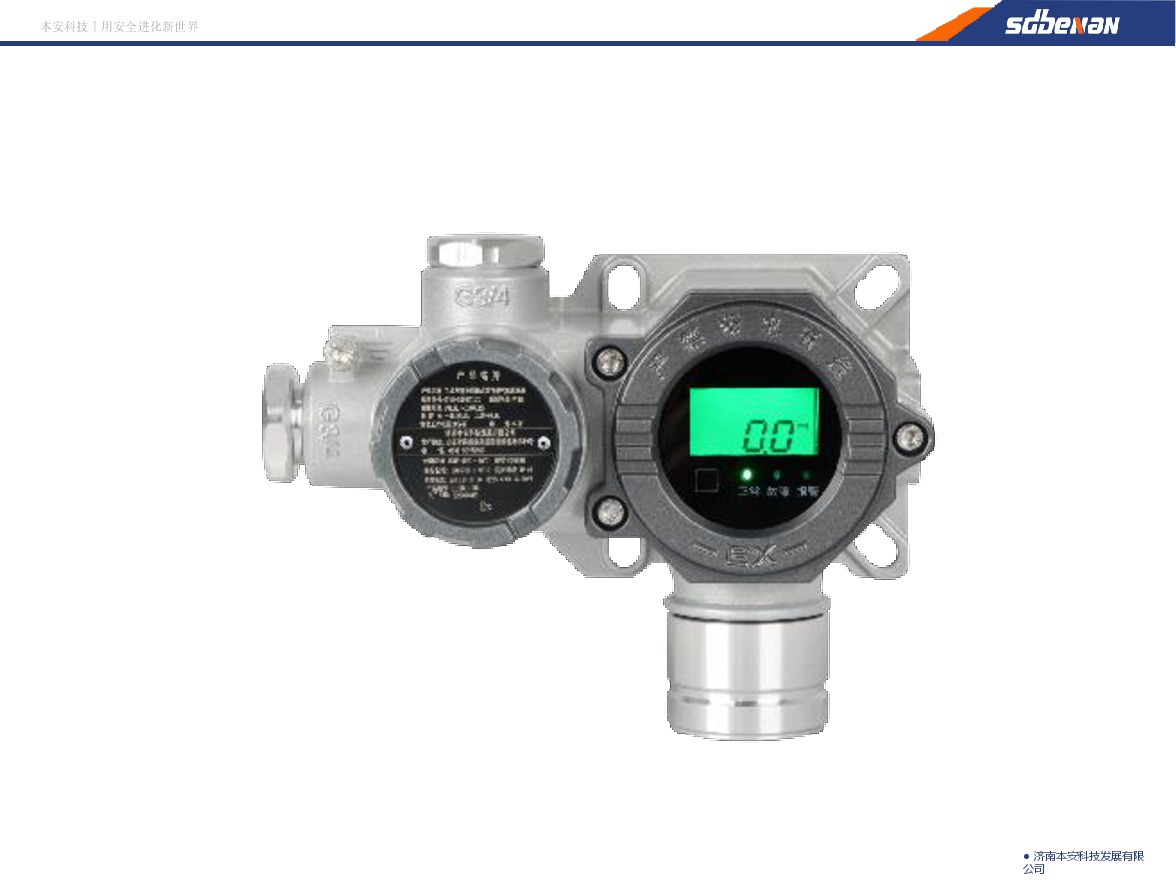
Industrial and Commercial Point-Type Gas Detector
Jinan Benan Technology Development Co., Ltd.
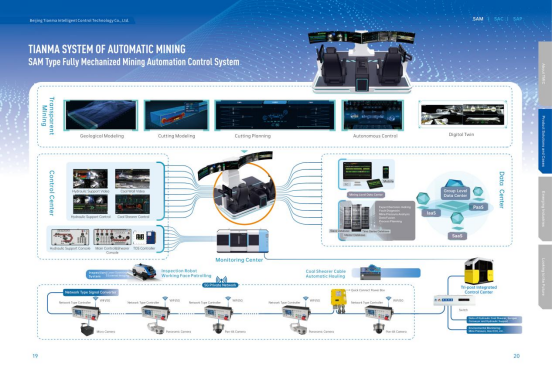
Comprehensive Mining Automation Control System
Beijing Tianma Intelligent Control Technology Co., Ltd.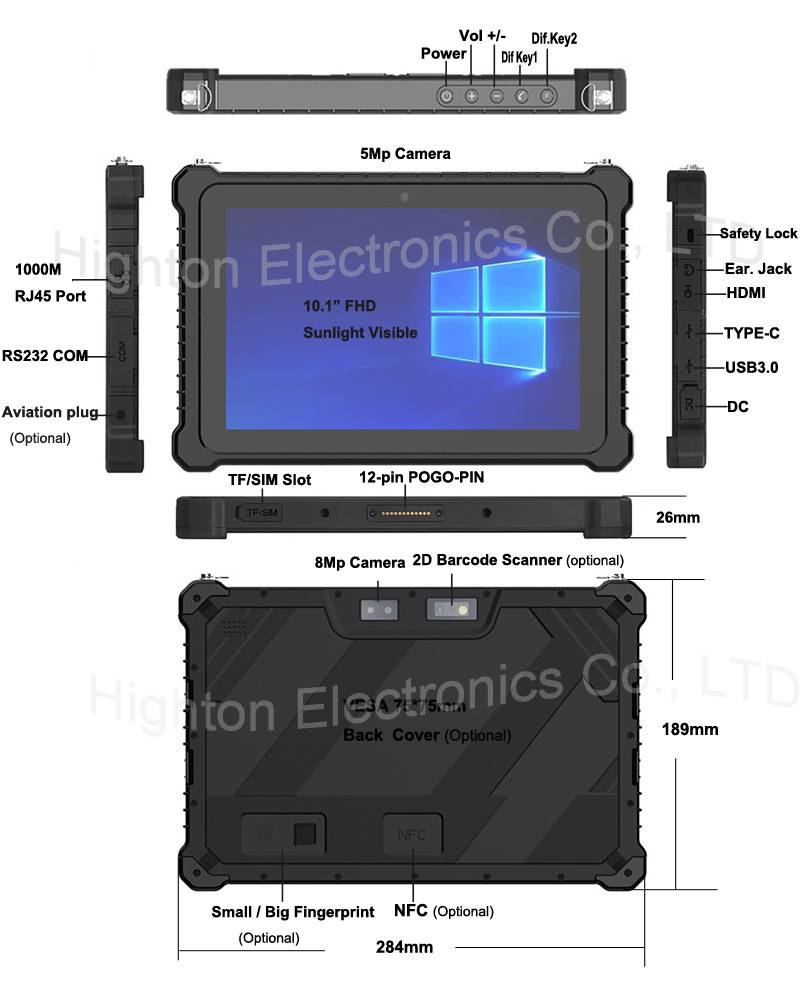
Hot Selling 10 Inch Intel N5100 I5 I7 FHD 8 +128GB 16+256GB Win10 Pro Win11 Pro 4G 5G Rugged Tablet PC Pad with NFC Barcode
Highton Electronics Co., Ltd.

TWP16 P-Band Tropospheric Wind Profile Radar
China Huayun Meteorological Technology Group Co., Ltd.