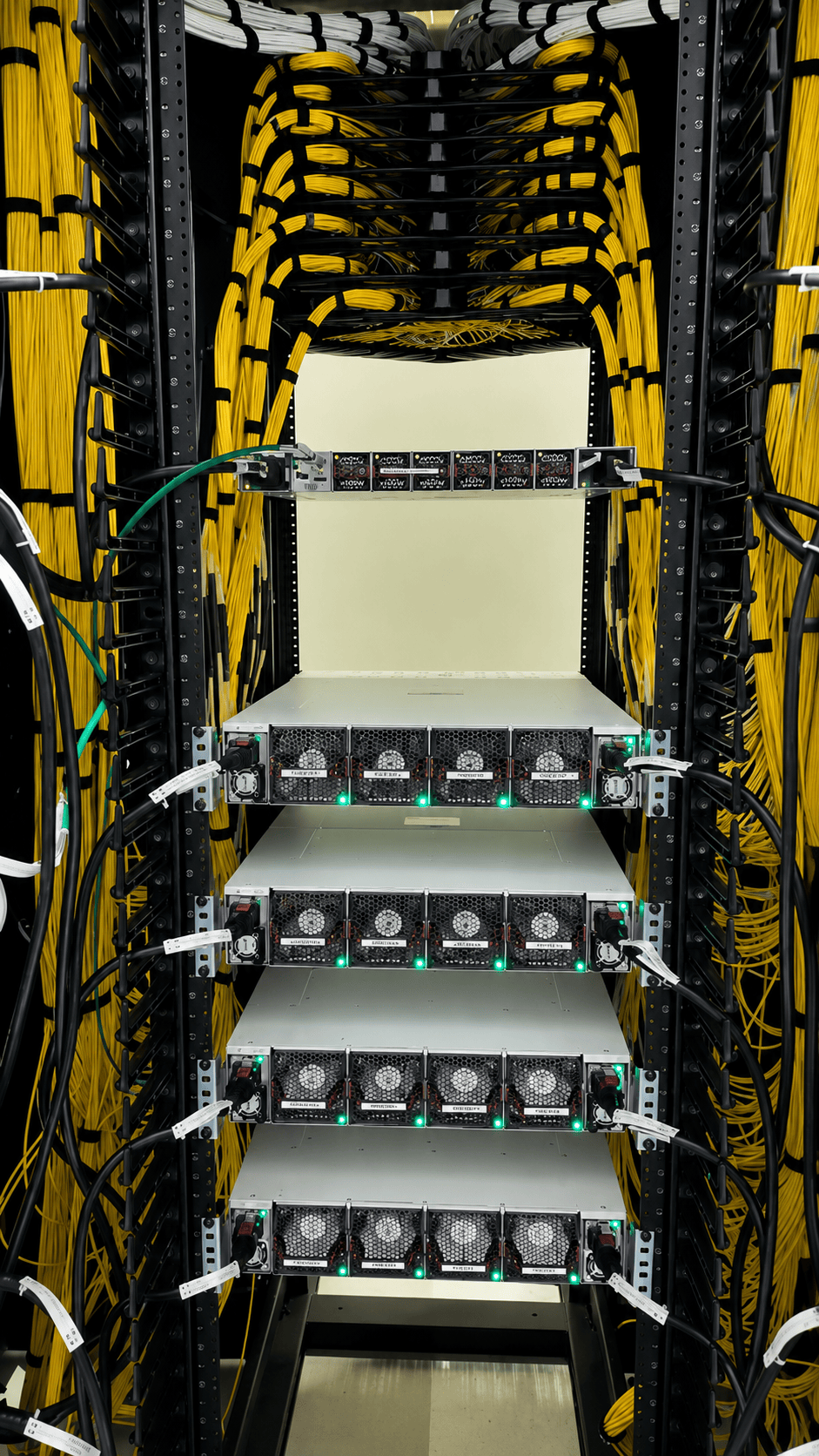
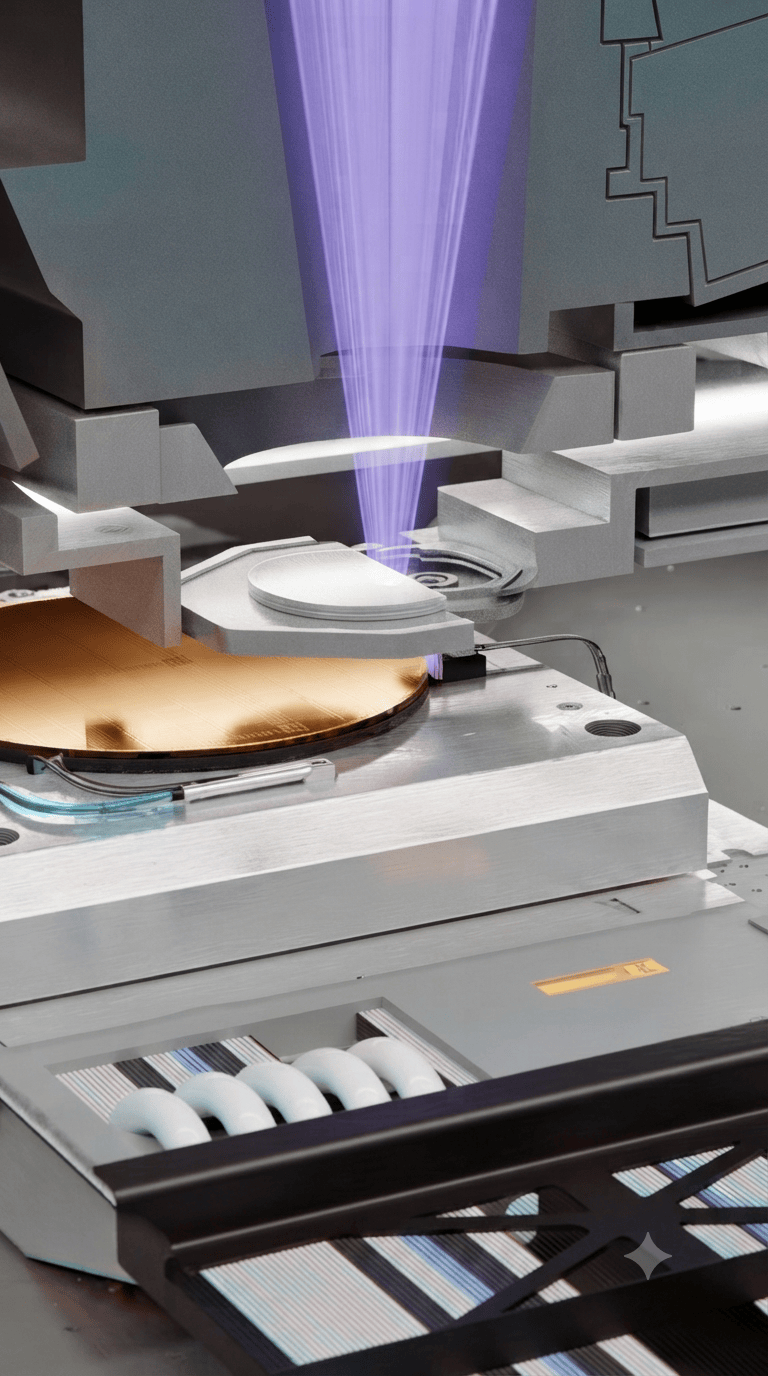
Google Launches Two Eighth-Generation TPU AI Computing Systems
en.Wedoany.com Reported - On November 9, Google released two eighth-generation AI computing systems, the TPU 8tx and TPU 8i Max, targeting confidential inference and ultra-long context processing requirements, respectively. Together with the TPU 8t and TPU 8i launched in April 2026, Google has released four eighth-generation TPU systems within the year. The newly added products retain the existing chip architecture and, by adjusting chip packaging, memory, networking, and security configurations, form dedicated computing platforms for different AI workloads.
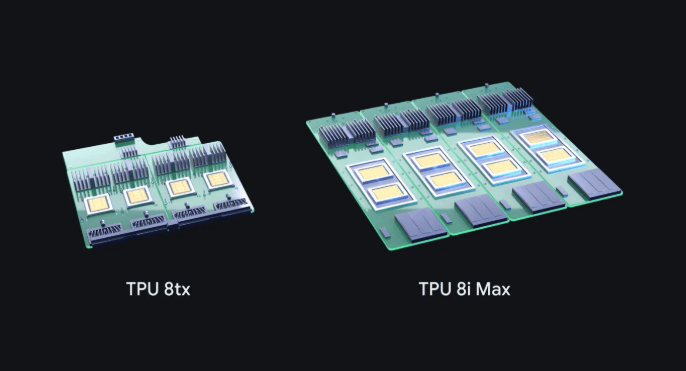
The TPU 8tx uses the same chips as the TPU 8t, paired with fifth-generation AMD EPYC processors, and integrates hardware-level confidential computing capabilities that keep sensitive data and model weights isolated and protected during computation. The system primarily targets finance, government, and other regulated industries, and can perform private model fine-tuning, model distillation, reinforcement learning, and secure inference tasks on the same computing platform.
Google has equipped the TPU 8tx with a low-latency Boardfly network designed for real-time inference. Company-published performance data shows that, compared with the TPU 8t, the new system can reduce inference latency by up to 50% while essentially maintaining the same computing performance. The combination of hardware security mechanisms and high-speed networking enables enterprises to carry out model customization and multi-step AI agent operations while processing sensitive data.
The TPU 8i Max integrates two TPU 8i chips into a single package, doubling the computing capability, on-chip static random-access memory (SRAM) capacity, and high-bandwidth memory (HBM) bandwidth of the TPU 8i. The new system increases the number of chips while maintaining the existing rack footprint, and is mainly used for high-memory-demand tasks such as million-token-level context processing, large-scale code analysis, and long-video understanding.
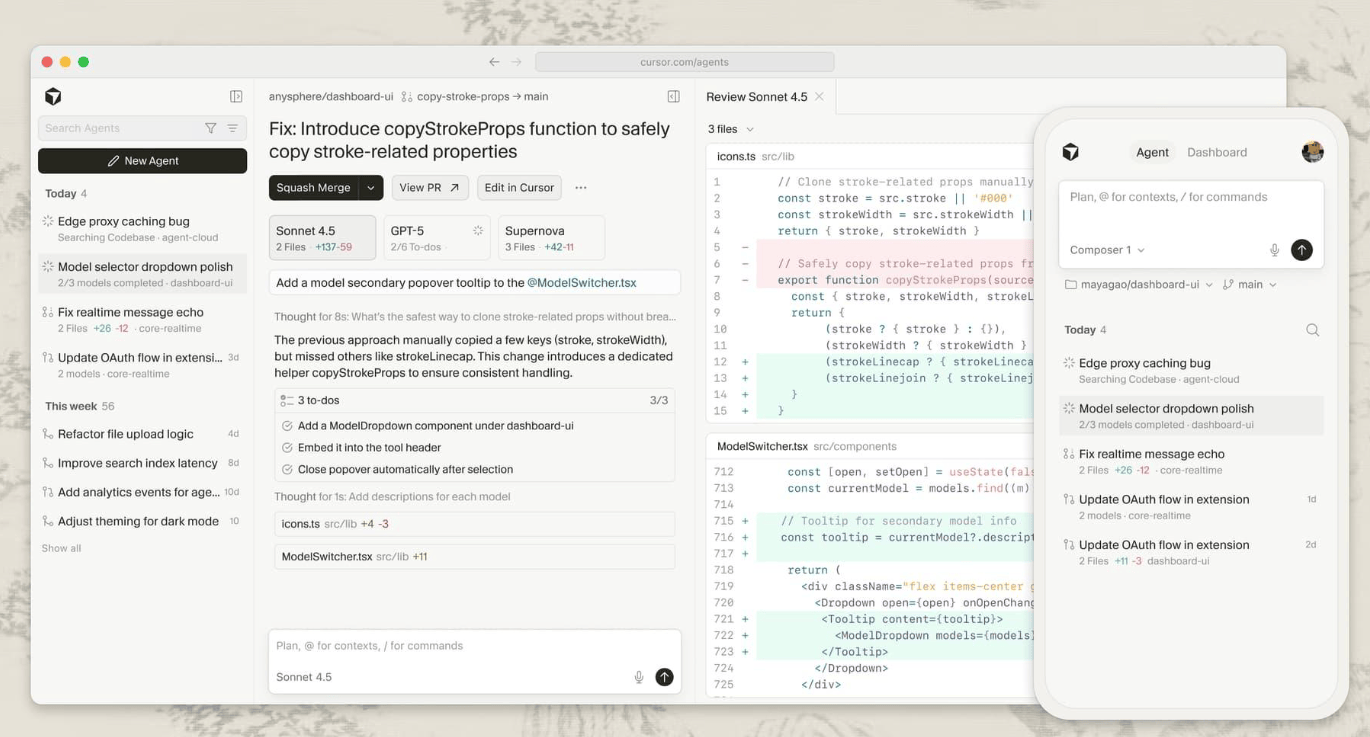
Google has also expanded its TPU software toolchain. The previously open-sourced TorchTPU supports running PyTorch code and Hugging Face models directly on the TPU platform. The newly added TPU agent toolkit has entered the preview stage and can connect to development tools such as Claude Code, Cursor, and Google Antigravity to automatically perform TPU environment adaptation, performance bottleneck diagnosis, and custom compute kernel optimization.
The newly released Agent Compute Engine can automatically pause idle sessions while AI agents wait for database queries, external tool calls, or human feedback, and migrate working memory off the chip. Google has also open-sourced the TPU Sync model state management layer, which integrates chip HBM, host memory, shared storage, and data center networking into a tiered storage system. Google-published test results show that this technology can reduce key-value cache transfer latency and time to first token by more than 90%.
Google Cloud's Cloud Pathways is now generally available, supporting the coordination of multiple TPU compute partitions through a single controller to execute pre-training, reinforcement learning, and multi-host inference tasks. The Google Kubernetes Engine dynamic slicing feature is also generally available, enabling dynamic composition or splitting of TPU compute resources through optical circuit switching technology. Google-published performance data indicates that this feature can increase job startup speed by up to 5x and failure recovery speed by up to 4.5x.
Related Products


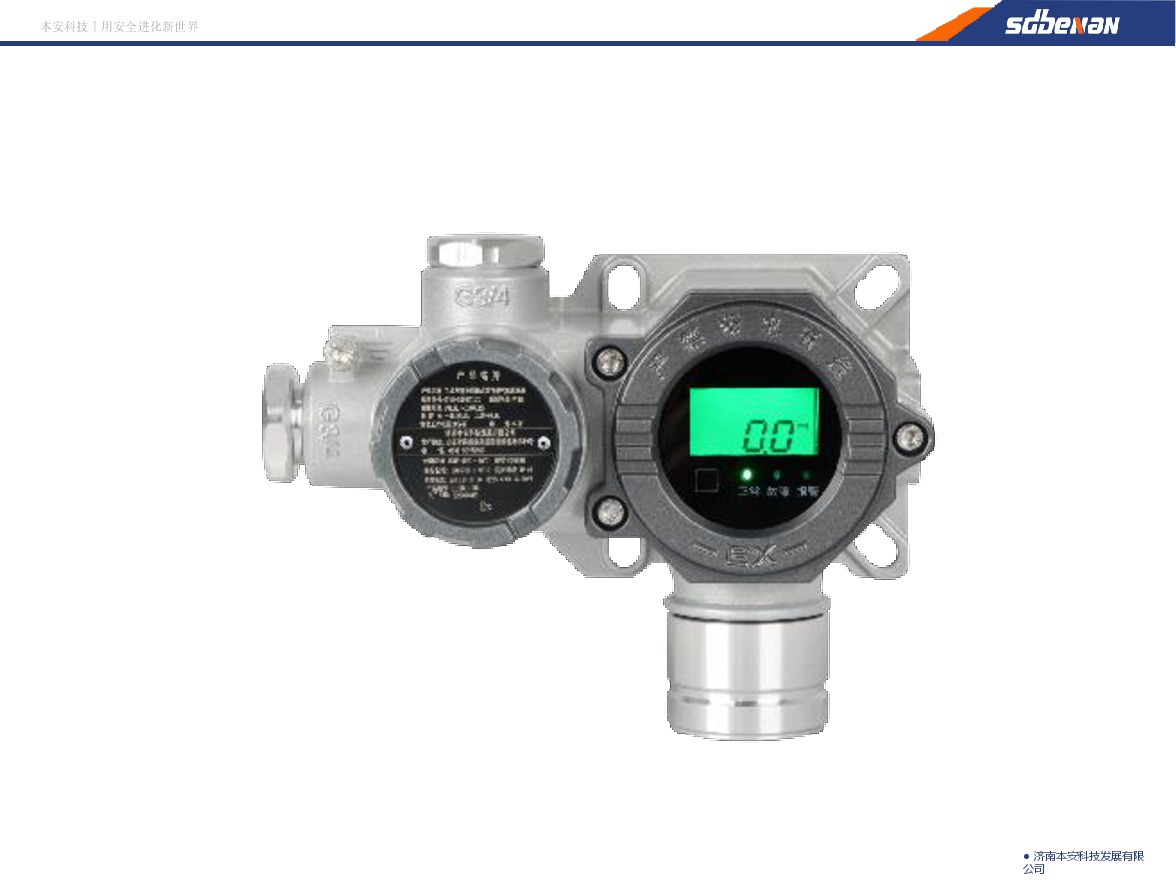
Industrial and Commercial Point-Type Gas Detector
Jinan Benan Technology Development Co., Ltd.

20 Inch 1600*900 Full HD 60Hz TFT LED Monitor with VGA and DP Interfaces for Desktop Computers-Business Use
Guangzhou Zanying Optoelectronics Technology Co., Ltd.
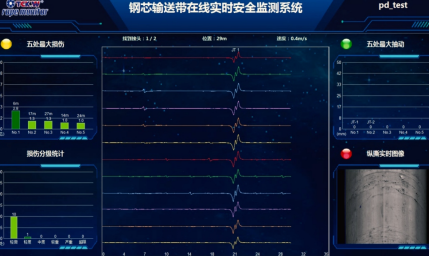
Conveyor Belt Intelligent Monitoring System
LUO YANG WIRE ROPE INSPECTION TECHNOLOGY CO., LTD.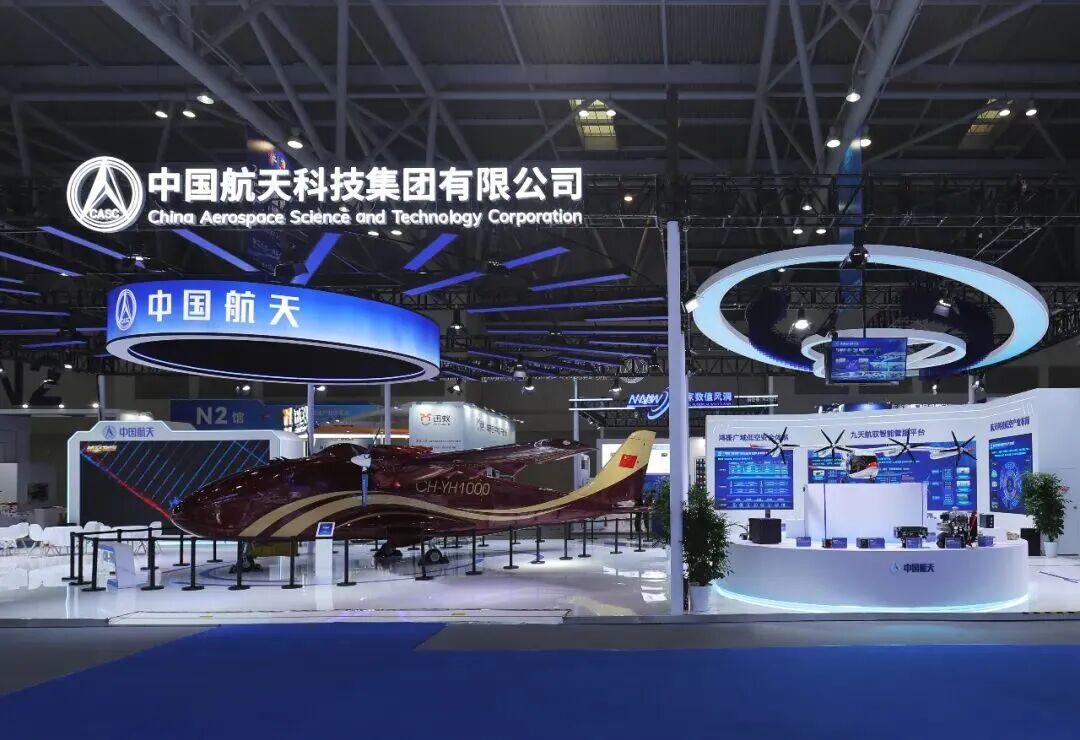
JiuTian OneSky Pilot—Intelligent Management And Service Platform
China Times Prospect Science & Technology Co., Ltd.