Anthropic in the U.S. Analyzes 207,000 AI Research Use Records
en.Wedoany.com Reported - On November 5, the U.S. artificial intelligence company Anthropic released the research report "AI for Science: How Researchers Use Claude," analyzing 207,049 AI sessions related to scientific research between August 2 and September 30, 2026. The study covered 34 scientific fields, 318 sub-disciplines, and 7,262 types of research tasks, finding that AI use was concentrated mainly in data analysis, paper writing, and research communication, while the actual use rates for scientific hypothesis generation and data collection were relatively low.
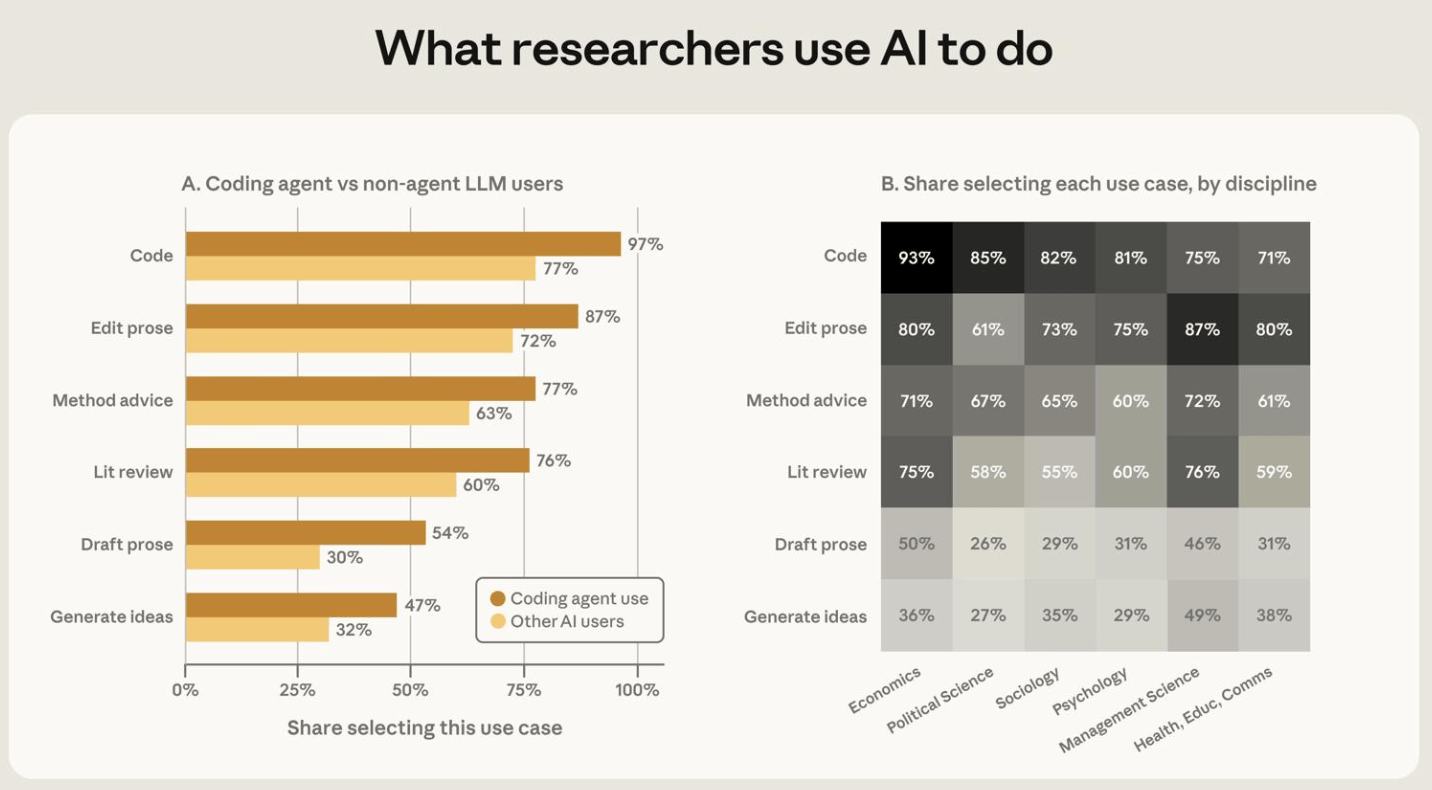
The sample included 128,914 research sessions on the Claude chat and Cowork platforms, as well as 78,135 research sessions on Claude Code. The research team used language models to classify the sessions, identifying scientific fields, sub-disciplines, and specific tasks, and conducted statistics using a predefined research task classification system. The researchers analyzed only task classification labels and aggregate data, and did not retain specific research content such as research hypotheses, experimental methods, or unpublished papers.
The report shows that data analysis accounted for 33.7% of Claude research sessions and reached 48.1% in Claude Code, both higher than the 27.6% share of researchers' actual working time devoted to data analysis. Writing and research communication accounted for 32.0% of Claude sessions, higher than the estimated 16.0% share of research working time such tasks represent. By contrast, data collection accounted for only 11.5% and 11.9% of Claude and Claude Code sessions, respectively, while such work accounts for 28.6% of researchers' working time.
Scientific ideation and hypothesis generation accounted for 4.2% and 2.1% of use in Claude and Claude Code, respectively, lower than the estimated 7.1% share of research working time such tasks represent. Anthropic also surveyed 528 researchers, who ranked scientific ideation and hypothesis generation as the top task for producing important research results, assigning it an average importance weight of 35.6%; data collection ranked second at 23.6%.
The usage structure differs across scientific fields. The three fields with the highest shares of Claude sessions were computer science at 11.9%, engineering at 8.4%, and medicine at 7.7%. Among Claude Code research sessions, computer science accounted for 32.7%, while researchers in this field make up only 4.3% of global researchers. The artificial intelligence and machine learning subfield accounted for 15.2% of Claude Code sessions, corresponding to a global researcher share of approximately 1.2%.
The study also analyzed the Claude Science platform, which is specifically oriented toward research scenarios. Among sessions on this platform, biomedical sciences accounted for 31.1%, biology for 24.1%, and scientific ideation and hypothesis generation tasks for 8%. A comparison focused on biology and biomedical fields showed that 73.3% of sessions in Claude Science were assessed as having a high degree of autonomous AI execution, compared with 23.7% for Claude and 64.1% for Claude Code.
Anthropic built a research acceleration scenario model based on the theoretical AI capabilities for different research tasks and the time allocation of researchers. The report estimates that, under the assumption that existing AI capabilities are widely applied, research output in some disciplines could increase to twice the original level; under a scenario in which all non-physical research tasks are automated, research output in fields such as computer science and statistics could reach 15 times the original level, while disciplines that rely on physical experiments, such as chemistry and biology, would be approximately 3 to 4 times the original level.
Related Products


JiuTian OneSky Pilot—Intelligent Management And Service Platform
China Times Prospect Science & Technology Co., Ltd.
G.652.D Wavelength-extended Non-dispersion Shifted Single-mode Optical Fiber
HONGAN GROUP CO., LTD.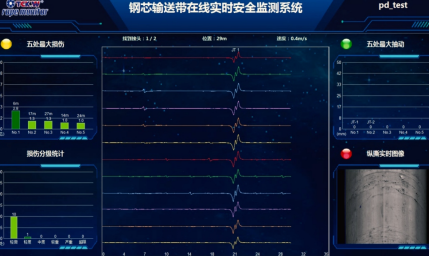
Conveyor Belt Intelligent Monitoring System
LUO YANG WIRE ROPE INSPECTION TECHNOLOGY CO., LTD.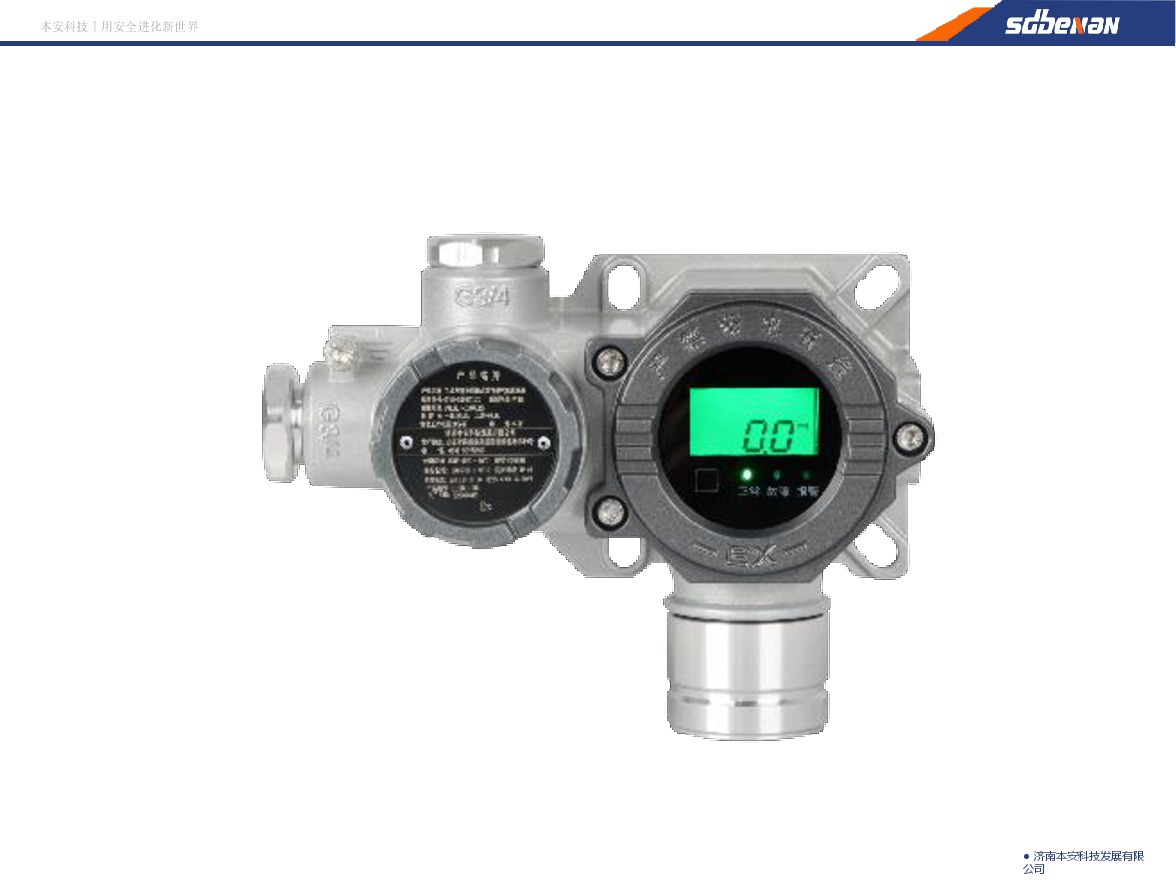
Industrial and Commercial Point-Type Gas Detector
Jinan Benan Technology Development Co., Ltd.
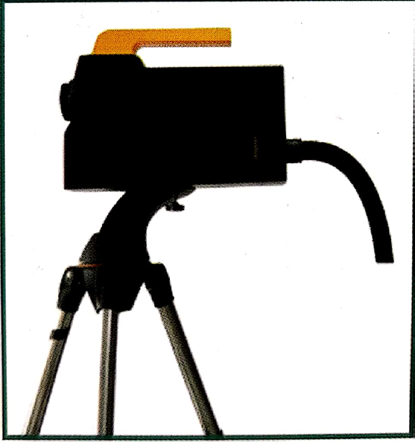
Automatic Aiming Laser Remote Obstacle Removal Robot
Pinggao Group Weihai High-Voltage Apparatus Co., Ltd.
TWP16 P-Band Tropospheric Wind Profile Radar
China Huayun Meteorological Technology Group Co., Ltd.