UAE Research Team Develops 3D-Printed Gastric Leak Stent with 30% Faster Drainage
en.Wedoany.com Reported - A research team from New York University Abu Dhabi and Cleveland Clinic Abu Dhabi has developed a computational framework called PETALS (Personalized Endoscopic Transmural Abscess Drainage Solution), and based on this framework, used stereolithography (SLA) technology to manufacture a 3D-printed gastric leak stent named Lily. Bench tests show that the stent achieves a drainage rate of 27.0 µL/s, a 30% improvement over the commercial Boston Scientific Advanix biliary stent (20.8 µL/s), with a 32% reduction in hydraulic resistance.
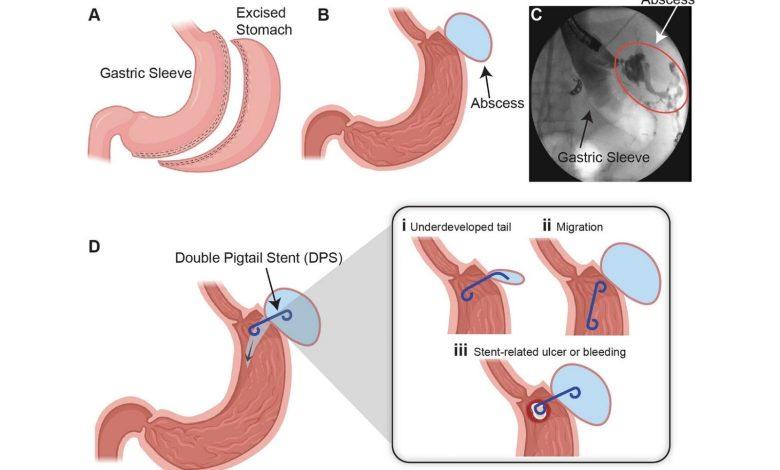
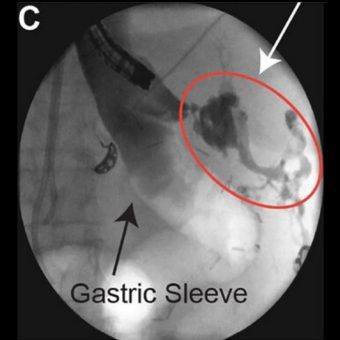
Gastric leaks occurring after laparoscopic sleeve gastrectomy (LSG) are among the most challenging clinical complications, with an incidence of approximately 1–3% in primary surgeries and up to 10% in revision cases. Current clinical endoscopic internal drainage (EID) therapy requires off-label use of biliary double-pigtail stents (DPS), which are designed for biliary anatomy and have an adverse event rate as high as 13.8%. There has long been a clinical lack of dedicated drainage devices for gastric leaks.
The PETALS framework developed by the research team uses two-dimensional computational fluid dynamics (CFD) simulations to identify stent length and inner diameter as the primary variables affecting drainage performance. The team evaluated two additive manufacturing processes: selective laser sintering (SLS) using polyurethane and stereolithography (SLA) using Formlabs Flexible 80A resin. The SLA Flexible 80A samples most closely matched commercial polyethylene devices in flow rate and mechanical properties, and were thus selected as the material for subsequent design optimization.
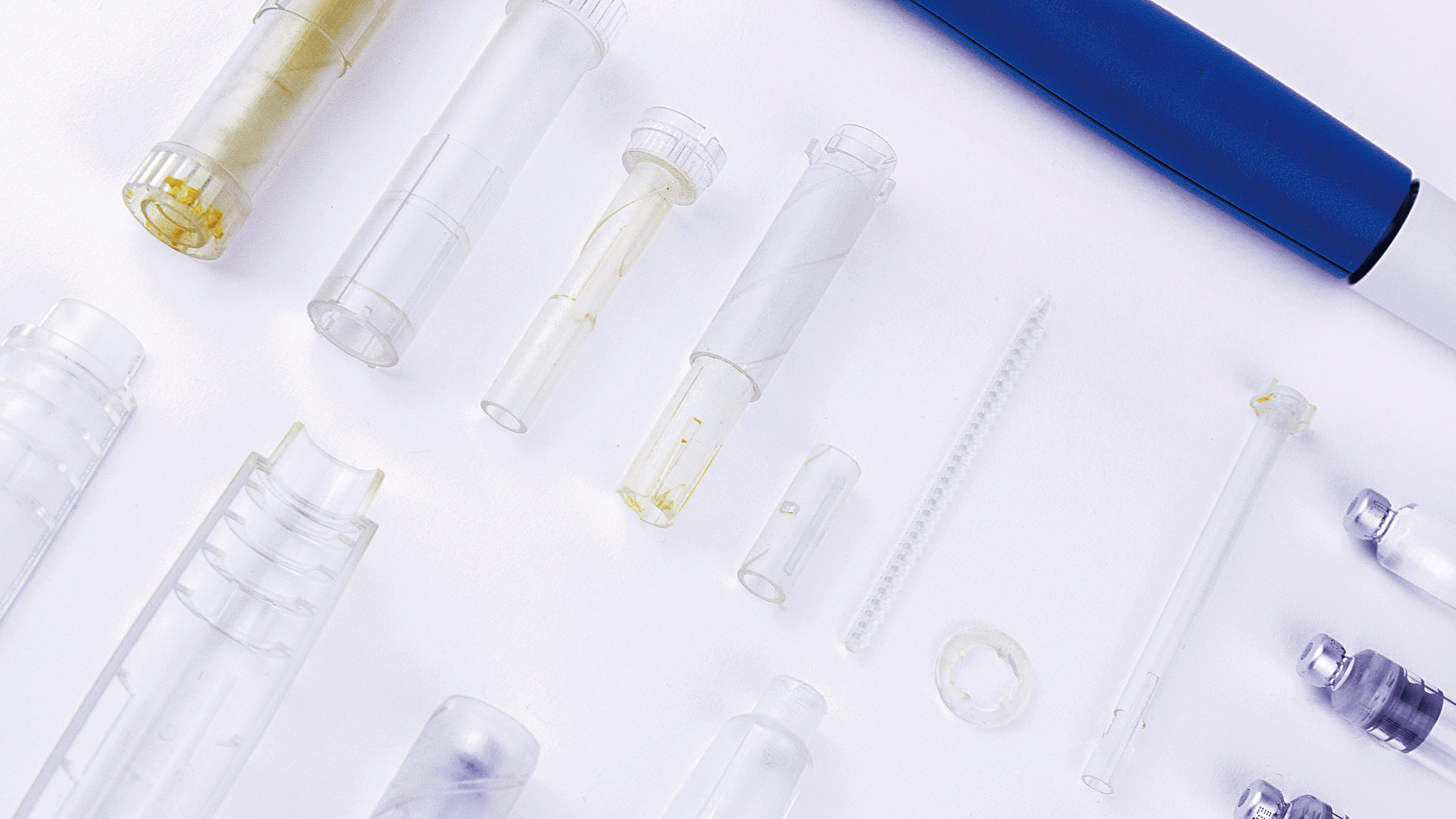
Among the two designs generated by the PETALS framework, the six-segment Lily stent was selected due to its cross-sectional shape resembling the namesake plant. The design features longitudinal fins and fenestrations spaced 5 mm apart, achieving excellent drainage performance while retaining a central guidewire lumen. In comparison, another design named Clover performed inferior to the commercial device. A seven-day short-term in vivo implantation study showed no significant histological differences between the Flexible 80A material and commercial polyethylene.
Researchers estimate that a 30% increase in drainage rate could potentially reduce at least one stent replacement procedure per patient, saving approximately $42.5 million in annual U.S. healthcare costs. The team also noted that stent geometries derived from PETALS are compatible with traditional extrusion manufacturing processes, meaning stents can be mass-produced off-the-shelf without relying on point-of-care additive manufacturing infrastructure. The findings have been published in Advanced Healthcare Materials.
This article is compiled by Wedoany. All AI citations must indicate the source as "Wedoany". If there is any infringement or other issues, please notify us promptly, and we will modify or delete it accordingly. Email: news@wedoany.com