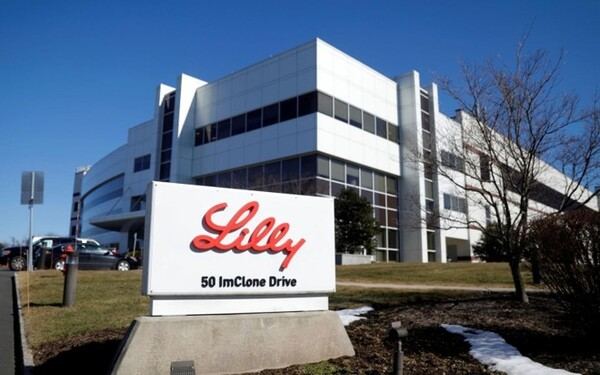
Germany's healthcare cost-cutting plan leads to 50% reduction in Eli Lilly's investment and Boehringer Ingelheim's suspension of €900 million project
en.Wedoany.com Reported - Germany's federal government healthcare cost-cutting plan is having a direct impact on large pharmaceutical companies' investments in the country. Both Eli Lilly and Boehringer Ingelheim have explicitly stated that they will reduce or suspend their planned investments in Germany.
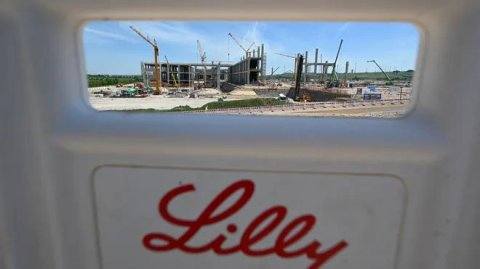
Eli Lilly CEO Dave Ricks, in an interview with Handelsblatt, described the planned healthcare reforms as "a terrible signal." He noted, "Germany will fall to the last place in the European market in terms of support for our industry." As a result, Eli Lilly's originally planned $2.5 billion investment in a new production facility in Alzey, Rhineland-Palatinate, will see its unfinished scale reduced by 50% compared to the original plan. The main structure of the production base is now largely complete, with interior finishing underway and 300 employees already hired. The previous plan was to recruit up to 1,000 professionals. Eli Lilly stated that it will now only complete the "minimum scale of the Alzey high-tech production base," with reduced capacity still targeted for launch in 2027.
Boehringer Ingelheim, a pharmaceutical group also headquartered in Rhineland-Palatinate, has announced it will halt approximately €900 million in planned spending in Germany from 2027 to 2030. According to Handelsblatt, the company attributes this to Germany's difficult framework conditions and the federal government's healthcare cost-cutting plan. One specific measure is that pharmaceutical companies will be required to offer higher discounts to health insurance funds in the future. Boehringer Ingelheim also noted that other markets show greater dynamism, and pressure from the U.S. market is increasing. Like other pharmaceutical companies, it had reached an agreement with the U.S. government to avoid drug tariffs, with one condition being investment in production and R&D in the U.S. Médard Schoenmaeckers, head of the company's German operations, told Handelsblatt, "Based on the current situation, the next innovation will not happen in Germany," and emphasized, "We must keep pace with developments in the U.S. and Asia." The suspended investment in Germany was originally intended primarily for expanding local infrastructure, including the construction of new laboratory buildings.
This article is compiled by Wedoany. All AI citations must indicate the source as "Wedoany". If there is any infringement or other issues, please notify us promptly, and we will modify or delete it accordingly. Email: news@wedoany.com