Sercomm DOCSIS 4.0 Device from Taiwan, China Receives VFI Certification to Enter Charter Network
en.Wedoany.com Reported - On June 10, a DOCSIS 4.0 device from Taiwan, China-based network equipment manufacturer Sercomm recently achieved CableLabs' "Verified for Interoperability" (VFI) status and will enter the network of U.S. cable operator Charter Communications. This certification indicates that the relevant DOCSIS 4.0 device can interoperate normally within existing DOCSIS 3.1 networks, providing a device verification foundation for the subsequent evolution of cable broadband networks to higher speeds.
DOCSIS 4.0 is a key technological direction for upgrading cable broadband networks to multi-gigabit speeds, helping cable operators enhance downstream and upstream capabilities on existing coaxial cable infrastructure. For major U.S. cable operators like Charter, broadband network upgrades depend not only on headend equipment and spectrum planning but also on compatibility verification of a large number of customer premises equipment (CPE) devices. Sercomm's device achieving VFI status indicates that its DOCSIS 4.0 terminal has passed CableLabs' verification for interoperability with DOCSIS 3.1 networks, allowing it to be deployed or tested in the operator's existing network environment. It should be noted that VFI is not equivalent to full DOCSIS 4.0 certification; CableLabs is still in the process of promoting full certification for DOCSIS 4.0 devices.
Sercomm has long provided communication broadband equipment to global telecom operators and broadband service providers, covering areas such as DOCSIS, fiber, DSL/FTTH, fixed wireless access, Wi-Fi routers, and home connectivity. The entry of this D4.0 device into the VFI queue and its targeting for Charter's network reflects its continued engagement in the North American cable broadband terminal market.
For the cable broadband industry, DOCSIS 4.0 terminal verification is a crucial step before the commercialization of network upgrades. Operators need to ensure that new-generation devices can support future higher-speed networks while also operating stably on the currently widely deployed DOCSIS 3.1 networks. This reduces deployment risks in the early stages of upgrades, allowing for a gradual transition of customer premises terminals, home gateways, voice interfaces, Wi-Fi, and operator backend systems. Device manufacturers like Sercomm, by being among the first to pass interoperability verification and enter the supply chain of leading operators, will have the opportunity to secure a more favorable position in the subsequent large-scale deployment of DOCSIS 4.0.
U.S. cable operators are facing competitive pressure from fiber broadband, fixed wireless access, and mobile convergence packages. Enhancing cable network speeds and upstream capabilities has become a key direction for maintaining broadband user experience. Charter has previously continued to advance its network evolution plans. The entry of DOCSIS 4.0 terminal devices into the verification and deployment phase will help it enhance multi-gigabit broadband service capabilities on its existing network infrastructure. Future industry focus will center on the progress of CableLabs' full certification, the pace of operator mass deployment, terminal cost control, and the stable performance of DOCSIS 4.0 in real home networks.
This article is compiled by Wedoany. All AI citations must indicate the source as "Wedoany". If there is any infringement or other issues, please notify us promptly, and we will modify or delete it accordingly. Email: news@wedoany.com
Related Products


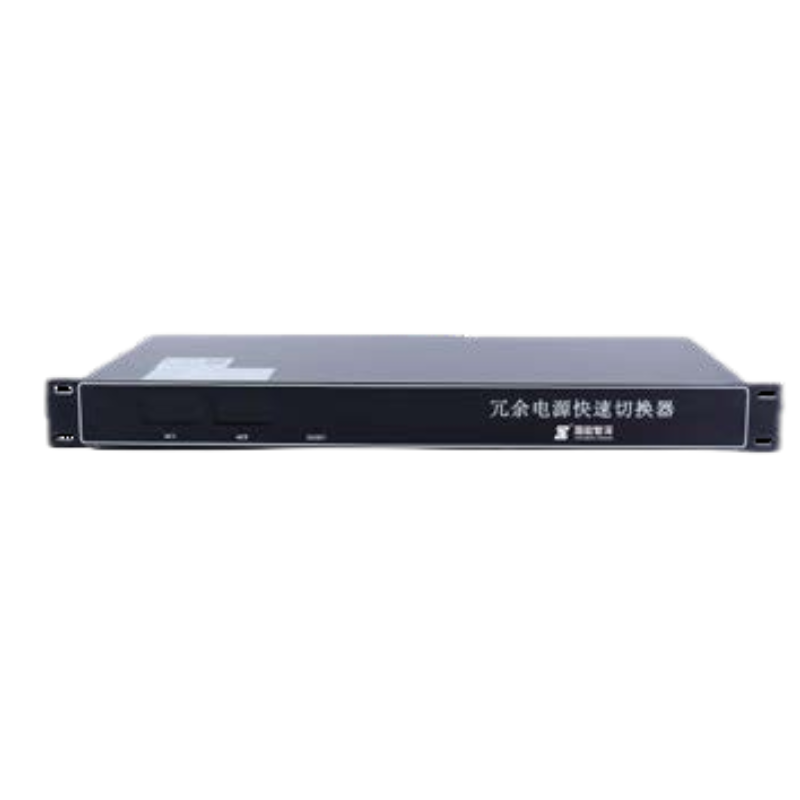

MUX Series Communication Interface Device for Security and Stability Control System
Nanjing NR Electric Co., Ltd.

GYTA Type Non-Self-Supporting Aerial/Duct Optical Cable
TONGDING INTERCONNECTION INFORMATION CO., LTD.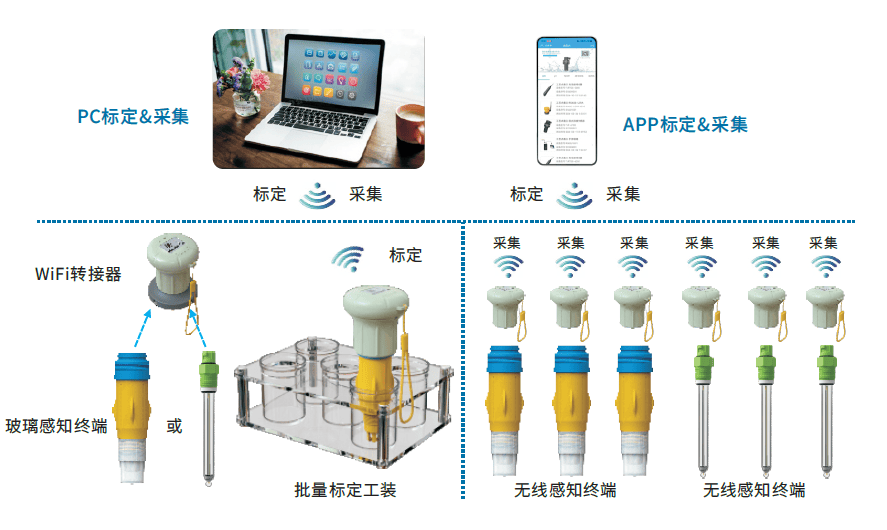

Industrial and Commercial Point-Type Gas Detector
Jinan Benan Technology Development Co., Ltd.
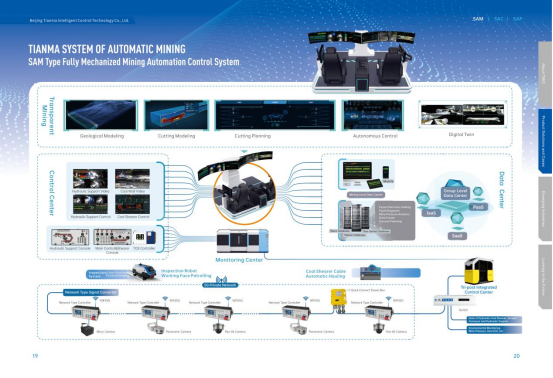
Comprehensive Mining Automation Control System
Beijing Tianma Intelligent Control Technology Co., Ltd.

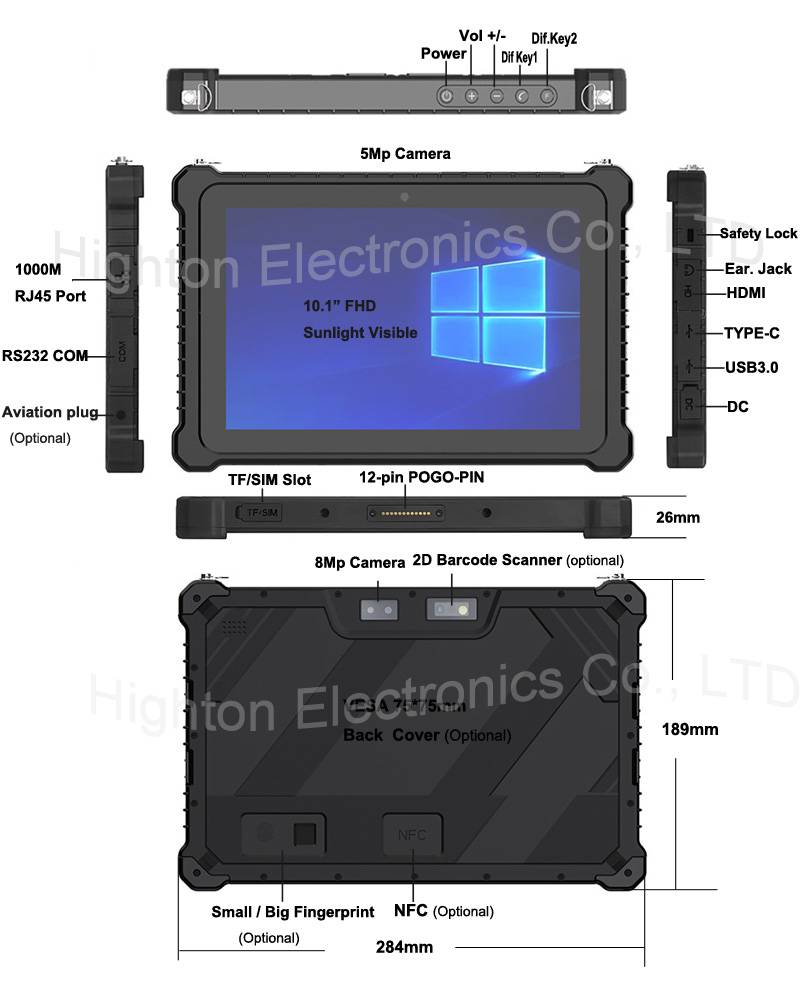
Hot Selling 10 Inch Intel N5100 I5 I7 FHD 8 +128GB 16+256GB Win10 Pro Win11 Pro 4G 5G Rugged Tablet PC Pad with NFC Barcode
Highton Electronics Co., Ltd.