en.Wedoany.com Reported - At the Worldwide Developers Conference (WWDC 2026), Apple announced the integration of third-party AI models, including Google Gemini and Anthropic Claude, into its Apple Intelligence system and Xcode development platform, significantly expanding its AI ecosystem. Previously, Apple primarily relied on its own AI models and its partnership with OpenAI, but has now notably broadened its acceptance of external AI models.
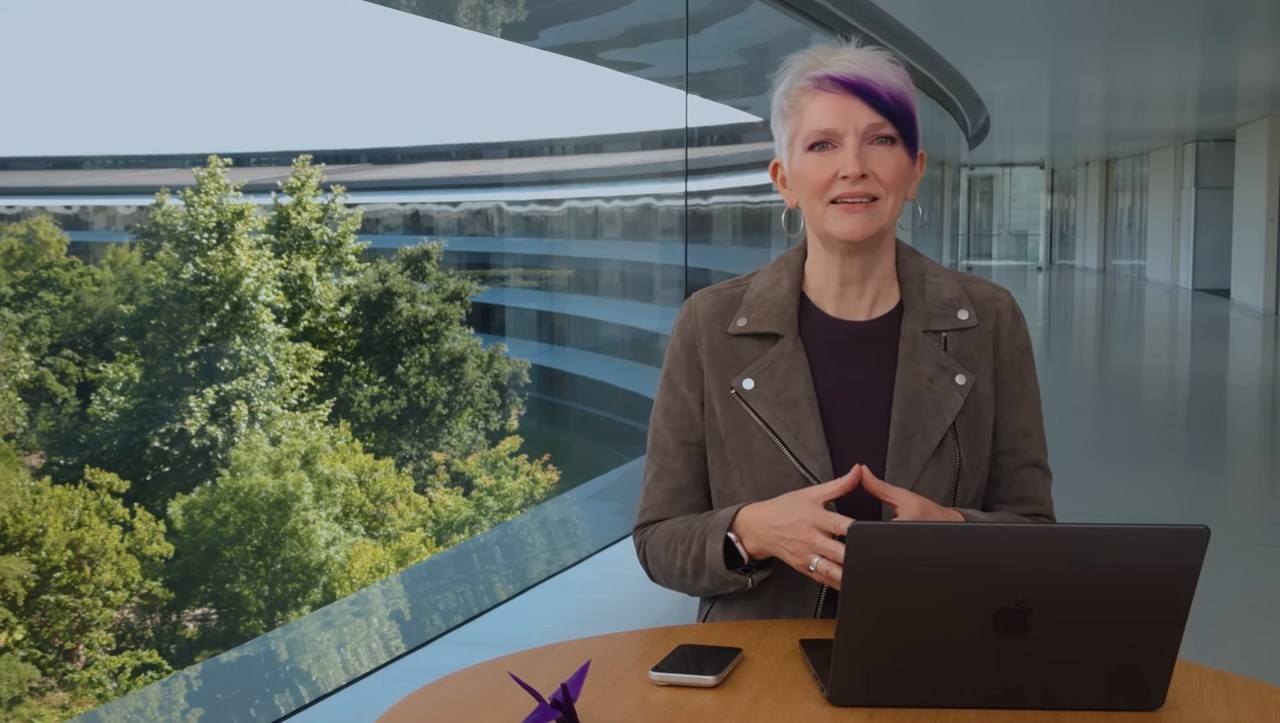
Apple Intelligence is Apple's proprietary AI system launched in 2024, while Xcode is its mobile application development platform. When Apple Intelligence debuted at WWDC 2024, the only external model connected was OpenAI's ChatGPT. Starting in 2026, developers can integrate models from Claude, Gemini, and other external providers into their apps through the new Intelligence Framework. This framework, built on the Foundation Models Framework introduced last year, is now available as a single native Swift API, supporting on-device models for image input, server model support, and custom skill creation. Developers can use this API to connect Gemini models while simultaneously utilizing the next-generation Apple Foundation Model.
Apple has also enhanced support for beginners. Developers enrolled in the App Store Small Business Program, whose apps have fewer than 2 million cumulative downloads, can use Apple Foundation Models running in the Private Cloud Compute environment for free, without incurring separate cloud API fees.
On the Xcode front, the integrated development environment is rapidly evolving into an AI-centric development environment. The updated "Xcode 26" provides built-in integration with agents from major AI companies such as Anthropic, OpenAI, and Google, and introduces support for the Agent Client Protocol (ACP) and Gemini integration. ACP is an open standard for AI access introduced by Apple, allowing for the free connection and replacement of various external AI agents within the development program. The newly released "Xcode 27" will enhance these features, with significantly expanded Agentic Coding capabilities, enabling developers to add required external agents as plugins. ACP supports easy plugin installation via command line or Git URL, and integration with major services like Figma and GitHub will be simplified. Additionally, Xcode supports the Model Context Protocol (MCP), allowing AI agents to utilize real-time contextual information such as project code, documentation, preview screens, build and test results throughout the development process, enabling collaboration.
Compared to Apple's integrated strategy, the mobile application development ecosystem on the Android camp, such as Samsung Electronics' Galaxy, centers around Google's open-source IDE, "Android Studio." Android Studio is designed for tight integration with Google AI, but its open architecture allows developers to choose and use various external AI models and services. Developers can invoke remote AI models or connect to external AI services through model selection features. However, this approach may lead to differences in integration levels or functional support across different models. According to the Android Developers Blog, Android Studio is optimized for Google Gemini. When connecting to third-party AI, general conversation functions work normally, but errors may occur when writing Android-specific code or using advanced agent features. Furthermore, when using external AI services, some data (such as code and prompts) may be transmitted to third-party vendor servers.
In contrast, with Xcode 27 and the Foundation Models Framework, major external AI agents are integrated as built-in features. Apple leverages its Private Cloud Compute infrastructure, designed to allow the use of third-party agents without requiring additional API key setup or security configuration, and processes data in accordance with Apple's privacy policy.
This article is compiled by Wedoany. All AI citations must indicate the source as "Wedoany". If there is any infringement or other issues, please notify us promptly, and we will modify or delete it accordingly. Email: news@wedoany.com