Petrochemical Compressors Are Critical Equipment for Reliability, Energy Efficiency and Process Stability
en.Wedoany.com Reported - Petrochemical Compressors are among the most important power equipment used in refining, ethylene, coal chemicals, natural gas processing, hydrogen projects, fertilizers and fine chemical plants. They are widely used for gas boosting, transmission, circulation, recovery and process gas treatment. In cracking gas compression, synthesis gas circulation, hydrogen boosting, tail gas recovery and natural gas transportation, compressors directly affect plant continuity, energy consumption and operating safety. For petrochemical enterprises, a compressor is not just a general mechanical product. It is a key asset that determines process performance and production resilience.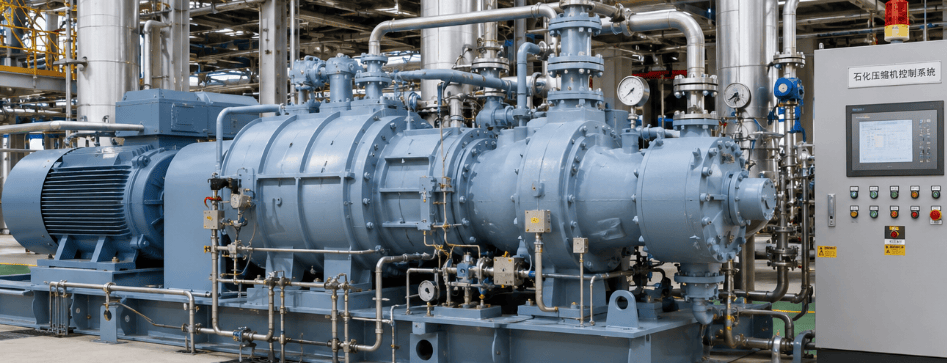
Petrochemical applications usually involve high temperature, high pressure, flammable media, continuous operation and complex gas composition. This means compressor selection must be based on process requirements rather than simple flow and pressure data. Gas molecular weight, corrosiveness, liquid content, impurities and temperature-pressure conditions all affect the required compressor structure, materials, sealing system, lubrication arrangement and control logic. If selection ignores actual medium characteristics and operating fluctuation, the equipment may face excessive vibration, lower efficiency, seal leakage, surge risk or high maintenance cost during operation.
Common compressor types used in petrochemical projects include centrifugal compressors, reciprocating compressors, screw compressors and axial compressors. Centrifugal compressors are widely used in large-flow and continuous-duty scenarios such as refining and natural gas processing. Reciprocating compressors remain important in high-pressure and medium-to-small flow applications, especially for hydrogen, synthesis gas and specialty gases. Screw compressors are often used in selected gas recovery, low- to medium-pressure transmission and auxiliary systems. There is no universal best option. The key is whether the compressor type matches the real process condition.
Energy efficiency is becoming an increasingly important factor in procurement and retrofit decisions. Compressors are often among the largest energy consumers in petrochemical units. Long-term electricity or steam consumption has a major effect on total plant cost. If a compressor operates away from its design point for extended periods, or if its flow control strategy is not appropriate, specific energy consumption may rise significantly. Therefore, buyers should not compare only initial procurement cost. They should also evaluate isentropic efficiency, turndown range, part-load performance and lifecycle operating cost.
Sealing and safety are also central issues. Many process gases are flammable, toxic or highly valuable, so any leakage may create safety, environmental and economic risks. Dry gas seals, mechanical seals, oil seal systems, bearing systems, interlocks and vibration monitoring are all important for safe compressor operation. As environmental standards become stricter, low-leakage, low-emission and highly monitorable compressor systems are becoming more important.
In the future, petrochemical compressors will rely more on intelligent maintenance and system optimization. Through online vibration monitoring, temperature monitoring, axial displacement analysis, energy consumption monitoring and digital control platforms, operators can identify abnormal trends earlier and reduce unplanned shutdowns. Compressors are also increasingly expected to coordinate with upstream process parameters, downstream load changes and plant-wide energy management systems.
Overall, the value of petrochemical compressors has expanded from single equipment supply to process matching, energy-saving control, safety assurance and long-term maintenance. For suppliers and plant owners, the ability to balance reliability, efficiency and process understanding will be a key factor in building long-term competitiveness in the petrochemical equipment market.
This article is compiled by Wedoany. All AI citations must indicate the source as "Wedoany". If there is any infringement or other issues, please notify us promptly, and we will modify or delete it accordingly. Email: news@wedoany.com
Related Products

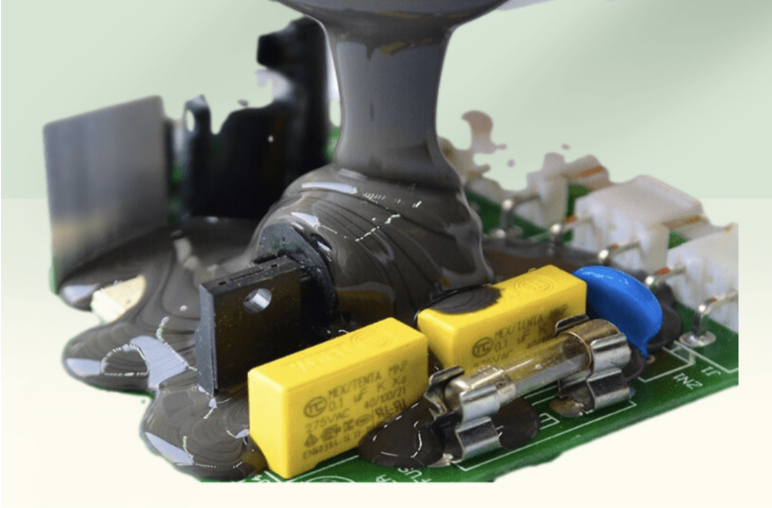
High Thermal Conductivity Encapsulating Resin
Nantong BESALL Sealing Technology Company.,Limited
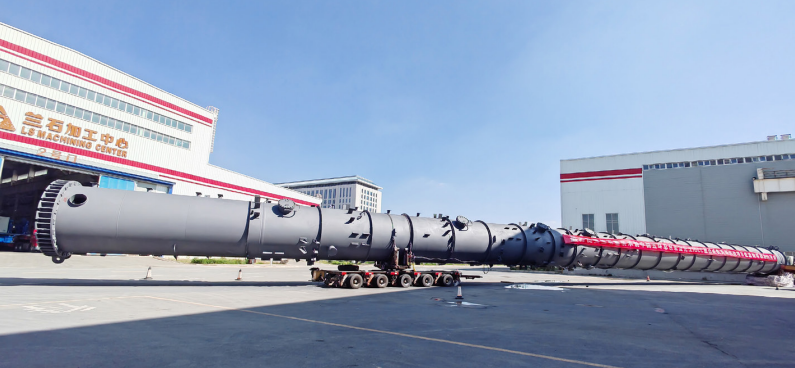
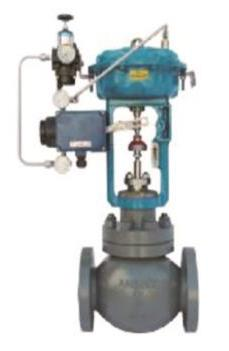
Quick-Change Single-Seat Control Valve / Quick-Change High-Pressure Single-Seat Control Valve
Beijing Consen Automation Technology Co., Ltd.
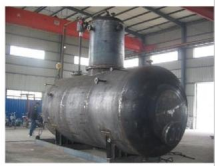
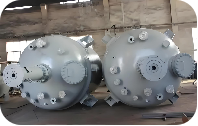
Steel Plates for Chemical Pressure Equipment
Gansu JISCO Group Hongxing Iron and Steel Co., Ltd.
New Environmentally Friendly Green Potassium Salt Collector
Chonfar Engineering and Technology Co., Ltd.
CAP1400 main feedwater flow nozzle flowmeter.
Jiangsu Hongda Instrument Technology Co., LTD.