Russian Gubkin University Develops Oil Sludge Treatment Reagent with 30% Extraction Rate
en.Wedoany.com Reported - Gubkin University (Губкинский университет) has developed a biodegradable oil sludge treatment reagent that can extract up to 30% of hydrocarbons from complex waste. This achievement simultaneously addresses two major issues: reducing the accumulated volume of oil sludge and decreasing dependence on imported formulations.
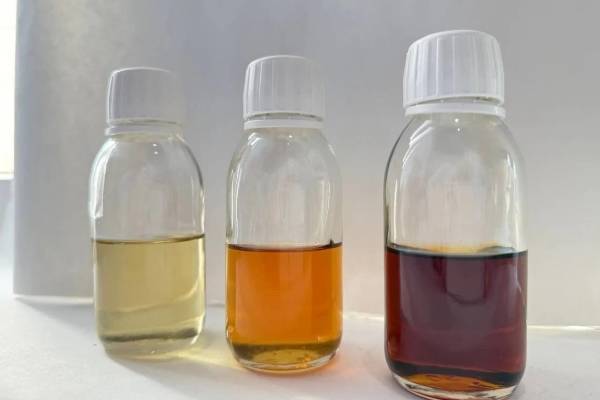
The scientists used plant-based raw materials—waste cooking oil and rapeseed oil—along with readily available alcohols. The formula specifically targets and breaks down stable aggregates of resins and asphaltenes, which are responsible for the difficulty in fractionating oil sludge. At the same time, the reagent itself decomposes during processing, making the technology environmentally safe.
Russia has accumulated over 100 million tons of oil sludge, with nearly 180,000 tons added annually, mainly concentrated in Western Siberia, Tatarstan, and Bashkortostan. The new method not only allows for the recovery and reuse of valuable light fractions but also enables the remaining heavy fractions to be used in coking, visbreaking, and asphalt production.
The researchers determined that personalized formulations are needed for different types of oil sludge: for mixed-type sludge, a combination of rapeseed oil and isobutanol is more effective; for high-asphaltene sludge, a combination of waste oil and n-butanol works better. This tailored approach improves treatment efficiency and expands disposal possibilities.
Related Products



Steel Pipes for Refining and Coal Chemical Industries
YANGZHOU LONTRIN ENERGY EQUIPMENT CO.,LTD.
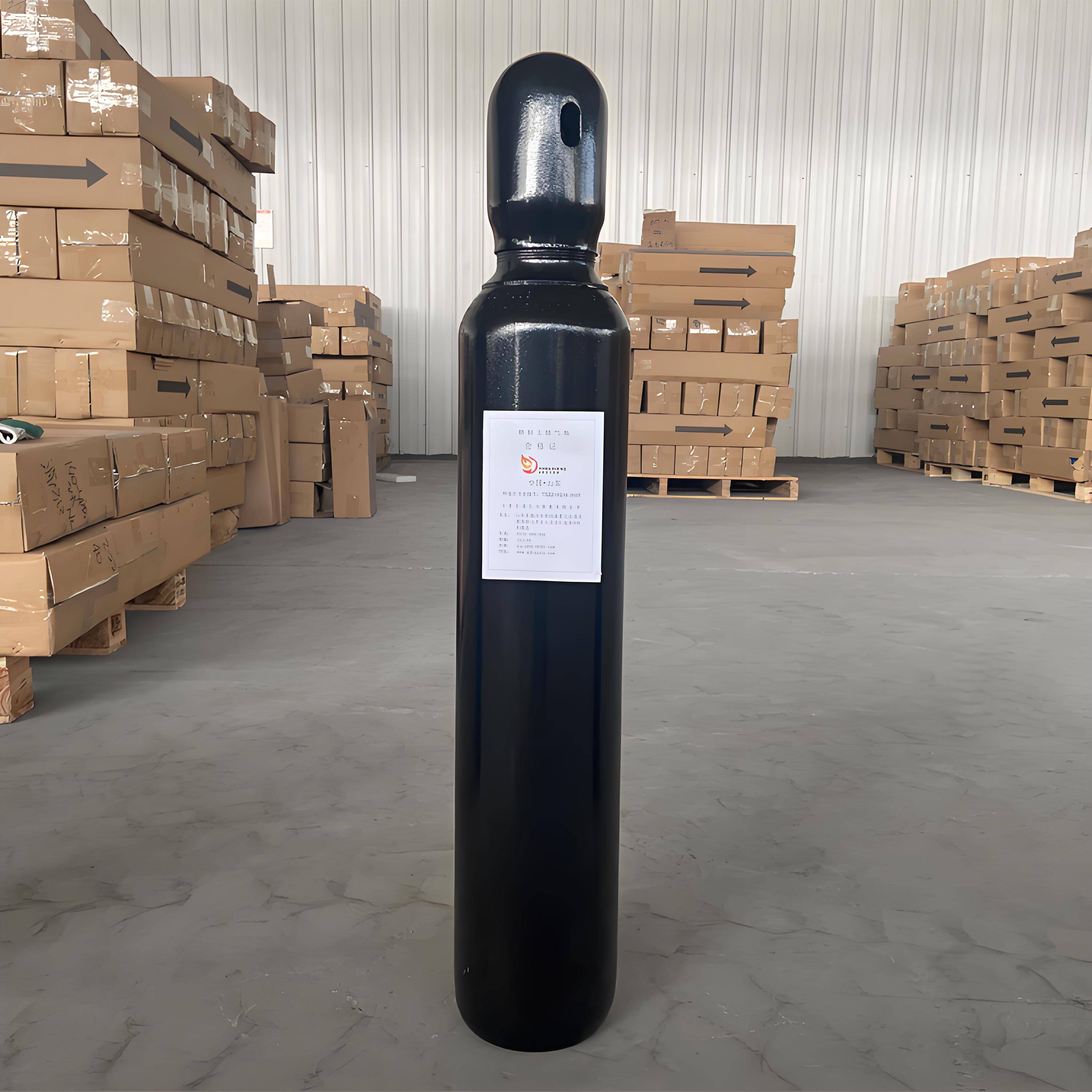
Nitrogen Export, Nitrogen Manufacturer, High-purity Nitrogen Supplier
Foshan Yuexin Industrial Gas Co., Ltd.
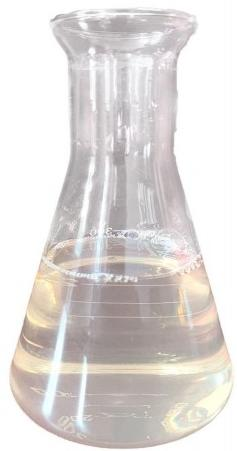

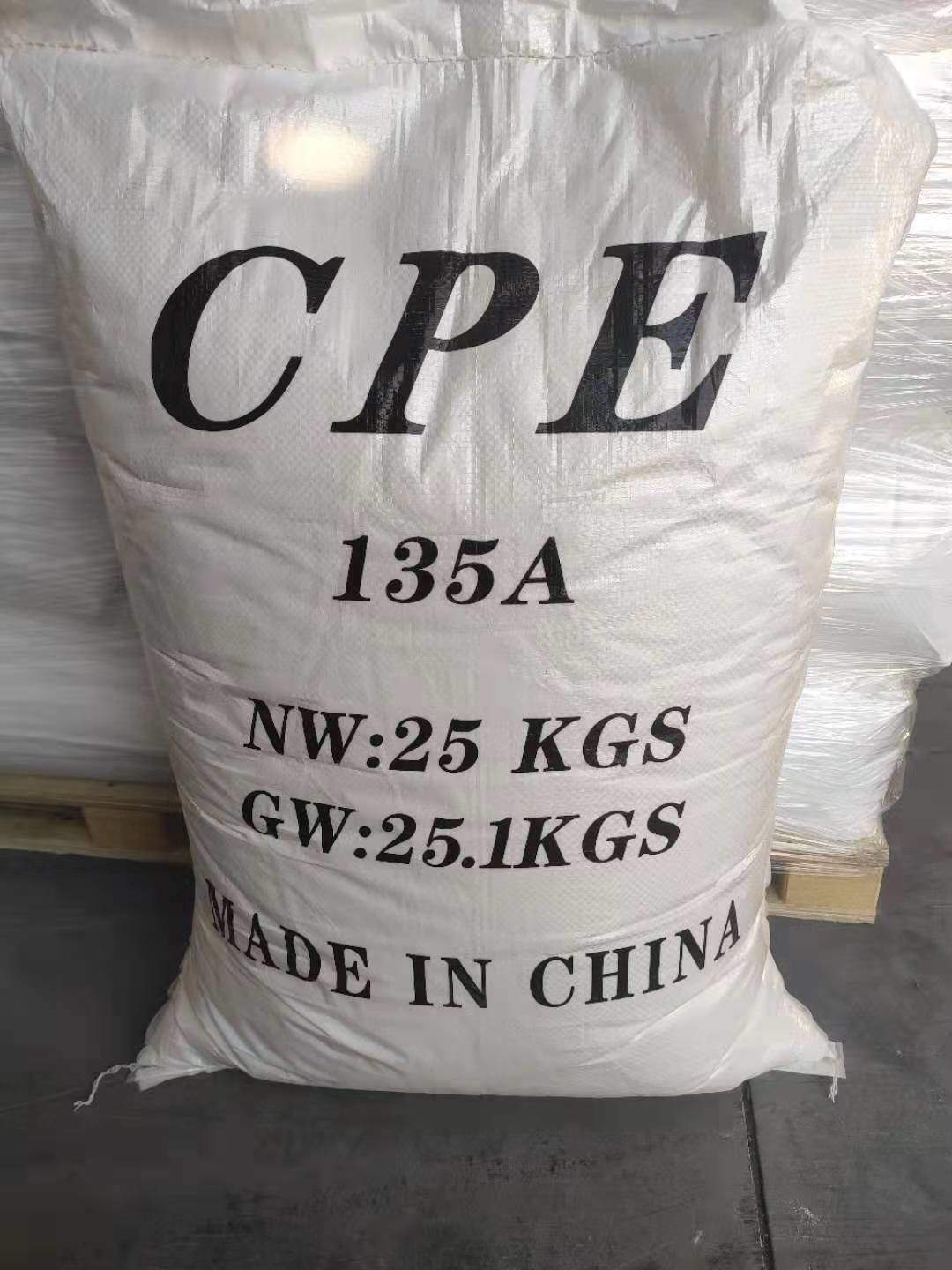
PVC Impact-Modified Chlorinated Polyethylene
Gansu Jinchuan Hengxin Polymer Technology Co., Ltd.