Great Wall Motors expects 20 million reais in hydrogen truck sales in Brazil by 2026
en.Wedoany.com Reported - Great Wall Motors Brazil recently completed a significant step in its hydrogen strategy at the Senai Cimatec campus in Camaçari, Bahia. A Great Wall truck equipped with the FTXT hydrogen powertrain was refueled with green hydrogen for the first time at the newly inaugurated Low-Carbon Technology and Green Hydrogen Reference Center on the campus.
FTXT, a subsidiary of Great Wall Motors specializing in fuel cell technology and hydrogen-related component development, operates internationally under the GWM Hydrogen brand to strengthen its global hydrogen positioning. This refueling coincides with the start of initial commercial negotiations for this model in Brazil, potentially leading to the brand's first hydrogen truck sales orders in Latin America.
In terms of business planning, Great Wall Motors Brazil expects sales of trucks and other hydrogen fuel cell solutions in Brazil to reach 20 million reais by 2026. The company is currently in negotiations with seven private companies and technology centers in Brazil, with total amounts already exceeding the aforementioned forecast; additionally, it is engaged in separate talks with an enterprise responsible for sustainable business in South America, which would mark the first deployment of this technology outside Brazil. The sales target for 2027 is further raised to 200 million reais, solidifying Brazil's position as the brand's priority market outside China—GWM Hydrogen has only this one branch outside its headquarters.
The refueling completed at the Senai Cimatec in Paraíba marks a shift in the truck's testing to using locally produced green hydrogen to evaluate its performance under real operating conditions. Over the next two months, the vehicle will accumulate more than 1,000 kilometers of driving within the facility, having already covered over 500 kilometers, making it the first heavy-duty hydrogen truck globally to reach this mileage across more than 130 countries. Tests include energy efficiency, range, operational performance, and hydrogen refueling infrastructure, with the hydrogen produced by a pilot plant at the technology park.
"The first refueling of a truck with green hydrogen produced at Cimatec is a historic moment for sustainable mobility in Brazil," said Davi Lopes, Head of GWM Hydrogen-FTXT Brazil. "We are connecting vehicles, infrastructure, and renewable fuel production within the same innovation environment, creating tangible conditions to accelerate hydrogen mobility development in Brazil."
Great Wall Motors' confidence in the Brazilian market is based on FTXT's operational experience in China. The company has deployed over 500 new hydrogen trucks in Baoding City, with a cumulative total exceeding 2,000 vehicles, including more than 1,000 added in 2025 alone. These vehicles operate under demanding conditions: FTXT's fuel cells can withstand cold starts at minus 30 degrees Celsius, meeting the long-range and high payload requirements of heavy-duty trucks; they can be refueled in minutes and run continuously for over 10 hours, unaffected by extreme temperatures.
In addition to selling new vehicles, GWM Hydrogen is advancing retrofit operations in Brazil, converting in-service diesel trucks into hydrogen fuel cell electric vehicles. The retrofit kit includes a fuel cell, high-pressure hydrogen storage tanks, an electric motor, auxiliary batteries, and the entire electronic control system, installed on the existing chassis with structural modifications and vehicle re-engineering. Davi Lopes noted that this approach preserves the customer's already amortized body and structure while achieving zero-emission operation, making it the most economical path to hydrogen decarbonization, avoiding the cost and time of replacing entire fleets. At the same time, retrofitting helps bypass the main bottleneck of Brazil's lack of a public hydrogen refueling network, by building dedicated solutions for specific customers and routes without relying on national infrastructure expansion.
The Low-Carbon Technology and Green Hydrogen Reference Center, inaugurated in June, is the result of a collaboration between Senai Cimatec, Hytron, and Petrogal Brasil (a joint venture between Galp and Sinopec), with support from the Brazilian National Agency of Petroleum, Natural Gas and Biofuels and Embrapii. The facility integrates water electrolysis hydrogen production, renewable energy power generation, vehicle hydrogen refueling stations, and laboratories for industrial decarbonization. As a partner, GWM Hydrogen provided the truck for integrating local R&D innovation activities and conducting technology demonstrations to validate the application of green hydrogen in heavy-duty transport.
This model is a fuel cell electric vehicle (FCEV), where the system converts hydrogen into electricity to drive the motor, emitting only water vapor. It is equipped with a 105 kWh battery, braking and deceleration energy recovery systems, and hydrogen storage tanks capable of holding up to 40 kilograms of hydrogen at a storage pressure of 350 bar. In terms of technical specifications, the truck can deliver up to 400 kW (544 hp) of power and 2,300 Nm of torque, with a range of up to 500 kilometers.
"We are not just validating a vehicle; we are laying the foundation for the future of sustainable mobility in Brazil," concluded Davi Lopes. "Collaboration between industry, research centers, universities, and government is crucial to transforming hydrogen's potential into a viable solution for the country's logistics."
Related Products

Floating Boat Water Quality Automatic Monitoring System
Hebei Sailhero Environmental Protection High-tech Co., Ltd.
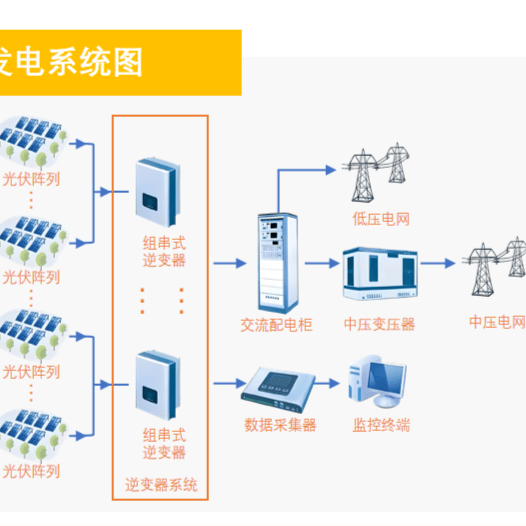
Photovoltaic and Wind Power Generation Technology
Beijing Boqi Electric Power SCI-TECH Co., Ltd.
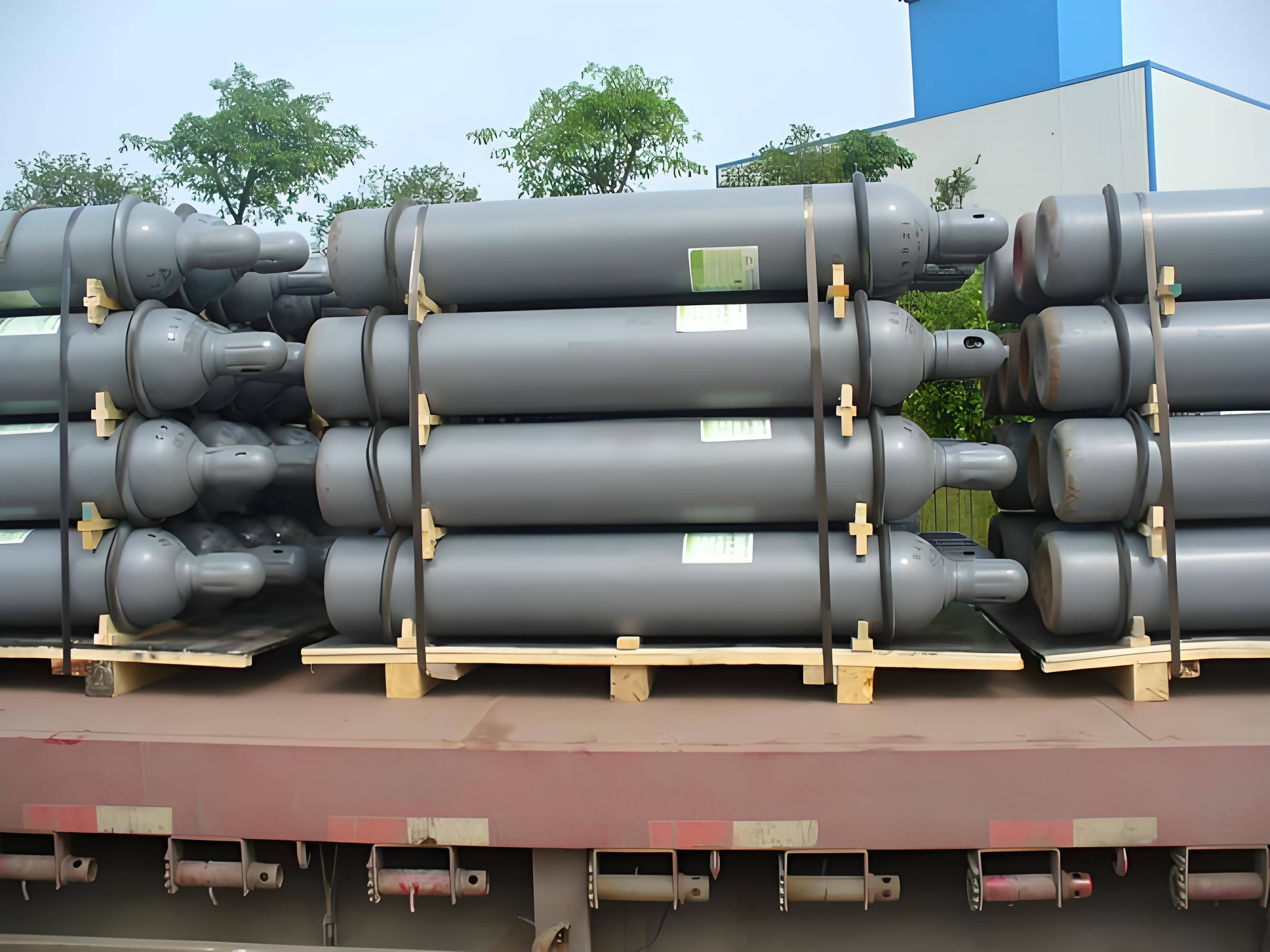
Global Sulfur Hexafluoride Gas Supply and Cylinder Export
Foshan Yuexin Industrial Gas Co., Ltd.
80kW Megawatt Supercharging Module TH80F10030C9
Shijiazhuang Tonhe Electronics Technologies Co., Ltd.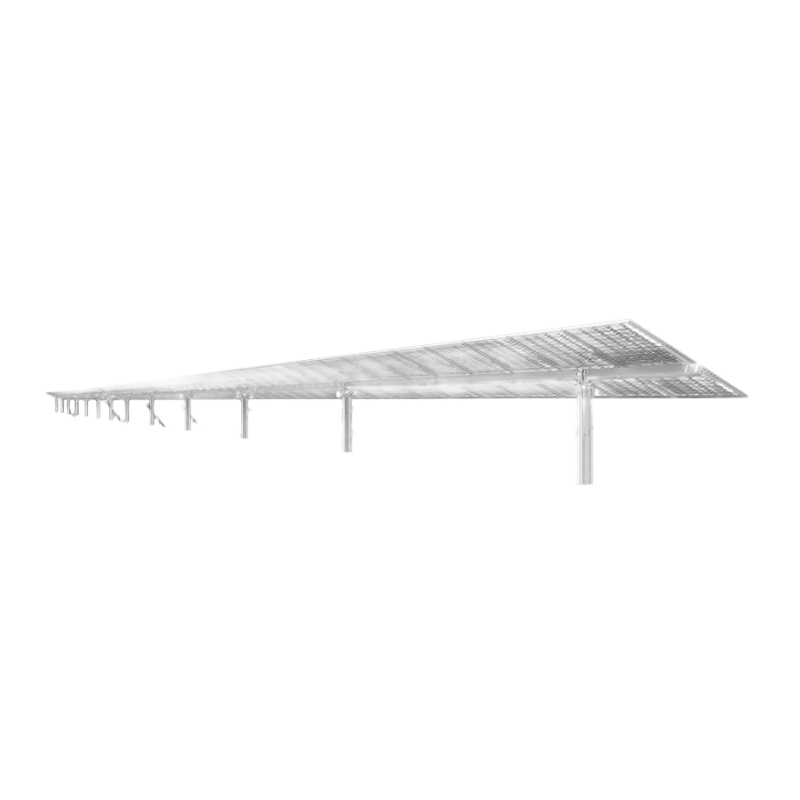
TAI Slew-drive Single-axis Independent 1P Tracking Bracket System
ANTAI TECHNOLOGY CO., LTD.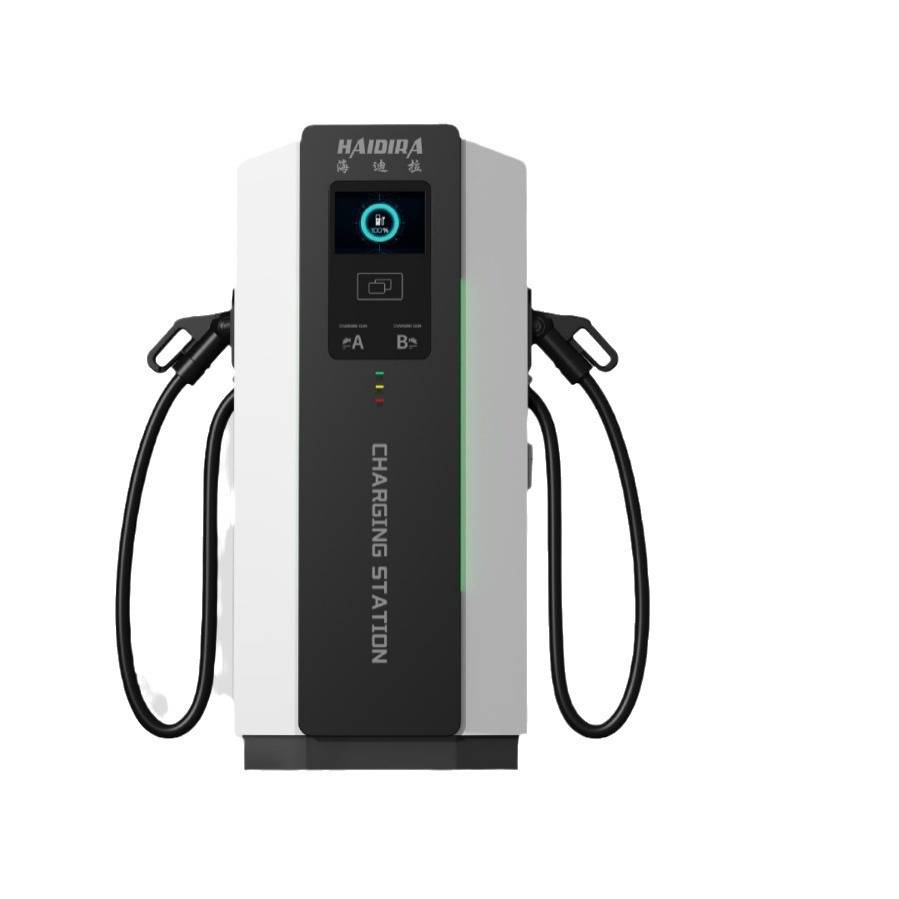
Manufacturer Direct Sales Tesla New Energy Electric Vehicle Universal DC 180kW Dual-gun Charging Pile Commercial Fast Charger
Anhui Haidira Electric Technology Co., Ltd.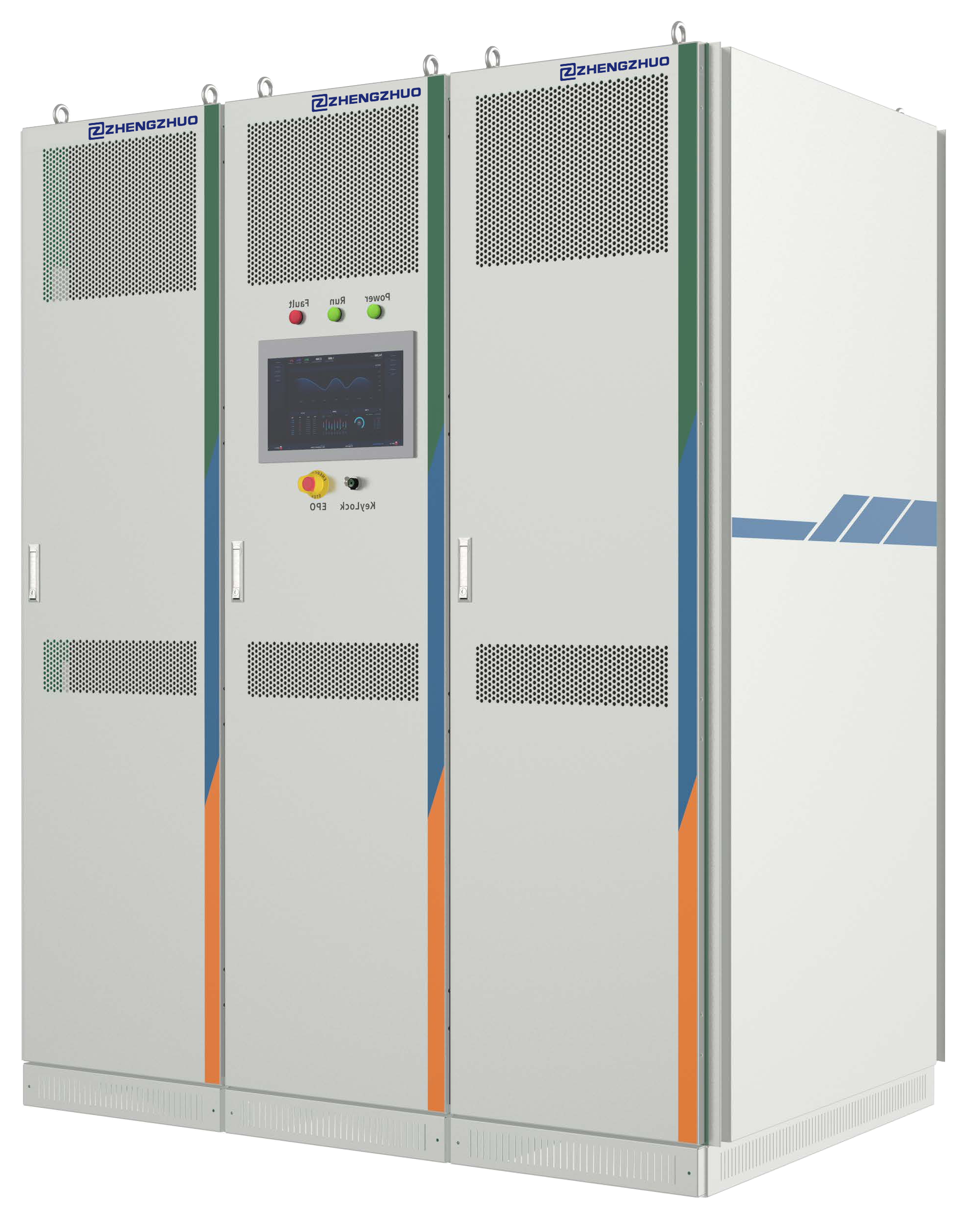
IGBT Hydrogen Production Power Supply - High Power Air Cooling
Beijing Zhengzhuo Engineering Technology Co., Ltd.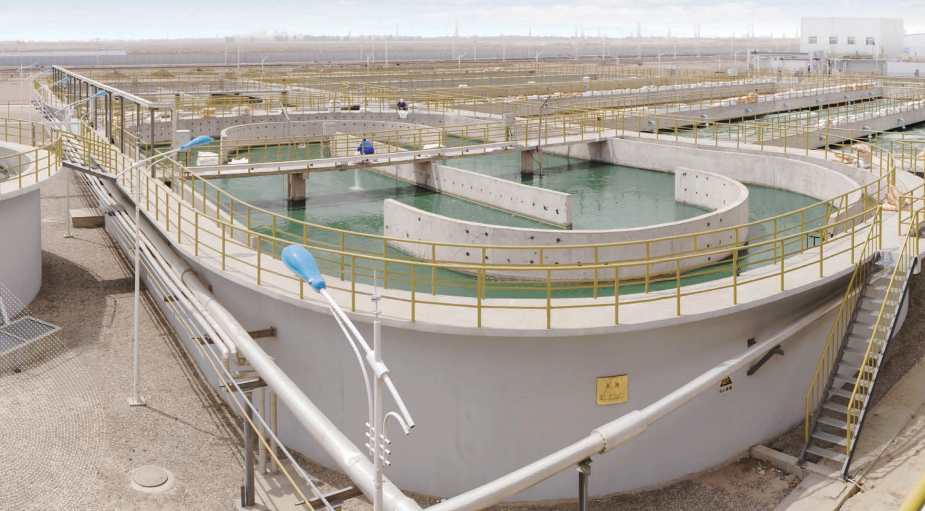
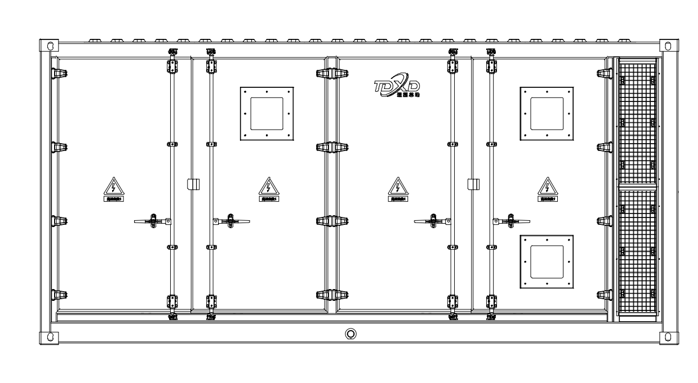
5012kWh DC Energy Storage System TD-EES-5012kWh
Suzhou Tongding Xindong Energy Storage Technology Co., Ltd.