Only 6 Projects Signed in EU's Second Hydrogen Auction, with 381.25MW of Electrolyzer Capacity Receiving €270.6 Million in Support
en.Wedoany.com Reported - On September 6, Axis Intelligence released its 2026 hydrogen energy statistical analysis. The data shows that the second round of the European Hydrogen Bank auction under the EU experienced a significant contraction at the project implementation stage: a total of 25 projects entered the grant agreement preparation phase, but only 6 ultimately completed signing, representing a project conversion rate of 24%. In terms of electrolyzer capacity, the 25 projects originally planned a combined 3,111.96MW, while the final signed projects only delivered 381.25MW, accounting for 12.3% of the total capacity that entered the agreement preparation phase.
The second auction initially received 61 bids. After the European Commission completed its evaluation, 15 renewable hydrogen projects were invited to enter the grant agreement signing process. Subsequently, some projects withdrew due to reassessments of financing conditions, project maturity, and performance guarantee requirements, and CINEA supplemented the list with reserve projects in bid order. By January 20, 2026, a cumulative total of 25 projects had entered the agreement preparation phase, but ultimately only 6 projects—from Spain, Finland, and Norway—signed grant agreements. The European Commission confirmed that these 6 projects collectively received approximately €270.6 million in support, with an expected production of about 500,000 tonnes of renewable hydrogen over 10 years and a reduction of approximately 3.4 million tonnes of CO₂ emissions.
In terms of investment implementation scale, the 25 projects that entered the agreement preparation phase corresponded to approximately €1.9 billion in requested support, while the final signed amount was approximately €271 million, a conversion rate of about 14.3%. The contracted hydrogen volume planned for production contracted from 3.131 million tonnes over 10 years to 492,000 tonnes, a conversion rate of about 15.7%. Axis Intelligence estimates that the 19 projects that failed to complete signing originally planned to build approximately 2,731MW of electrolyzer capacity—more than seven times the scale ultimately implemented.
Axis Intelligence also compared the three rounds of the European Hydrogen Bank auction. In the first round in 2024, the 6 projects that completed signing had a combined electrolyzer capacity of 1,442MW and received approximately €694 million in support. In the second round completed in 2026, the project scale dropped to 381.25MW. For the third round, the IF25 auction, 13 projects have currently entered the grant agreement preparation phase, with a planned electrolyzer capacity of 1,160.5MW and corresponding support of approximately €1.243 billion.
According to the "hydrogen cost gap" indicator calculated by Axis Intelligence based on European Commission project data, the average level of support required for European hydrogen projects has risen from approximately €0.46/kg in the first auction round in 2024 to approximately €0.55/kg in the second round, and further to approximately €0.87/kg in the third round—a cumulative increase of about 89% over two years. This set of data reflects that, under the influence of factors such as project development costs, renewable electricity prices, financing, and performance guarantees, European renewable hydrogen projects still face significant pressure from bidding to final investment implementation.
The European Commission has confirmed that it will launch the fourth hydrogen auction in December 2026, with a budget of up to €500 million. The third round, the IF25 hydrogen auction, previously received 58 bids from 11 countries, with declared volumes exceeding six times the €1.3 billion budget, indicating that Europe's willingness to develop green hydrogen remains strong. However, the fact that the second round went from 25 projects entering agreement preparation to only 6 completing signing also makes project financing capability and actual delivery capacity key screening criteria for the next phase of hydrogen investment.
Related Products

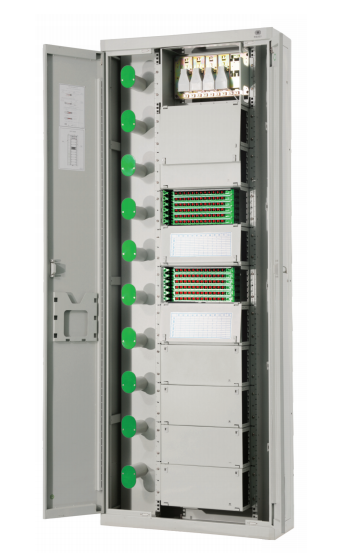


G.652.D Wavelength-extended Non-dispersion Shifted Single-mode Optical Fiber
HONGAN GROUP CO., LTD.
Hydraulic Turbine Genset
Dongfang Electric Corporation Dongfang Electric Machinery Co., Ltd.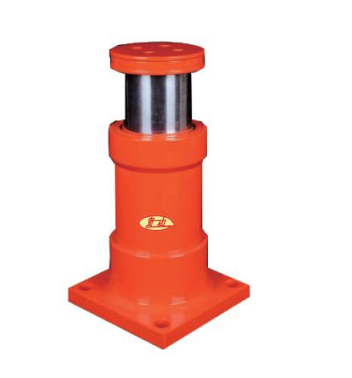
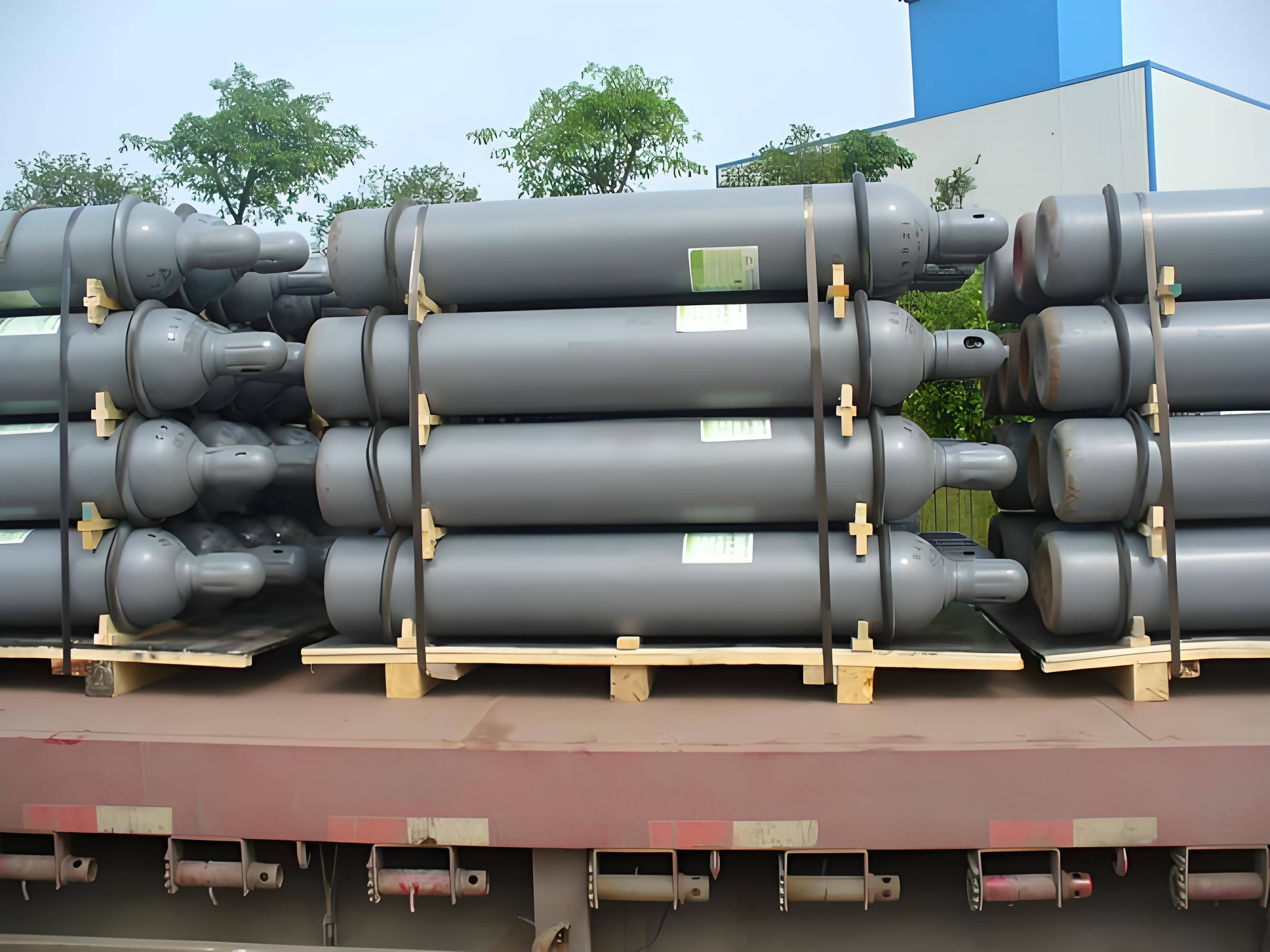
Global Sulfur Hexafluoride Gas Supply and Cylinder Export
Foshan Yuexin Industrial Gas Co., Ltd.
72.5kV 1250A 31.5kA SF6 free Gas-insulated Metal-enclosed Switchgear
Zhejiang Juhonkia Intelligent Electric Co., Ltd.
Hydrogen production and hydrogenation charging refueling gas integrated energy station
Shenzhen Kohodo Hydrogen Energy Co., Ltd.