Large Petrochemical Tank Farms Need Intelligent Monitoring and Lifecycle Management
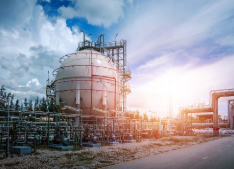
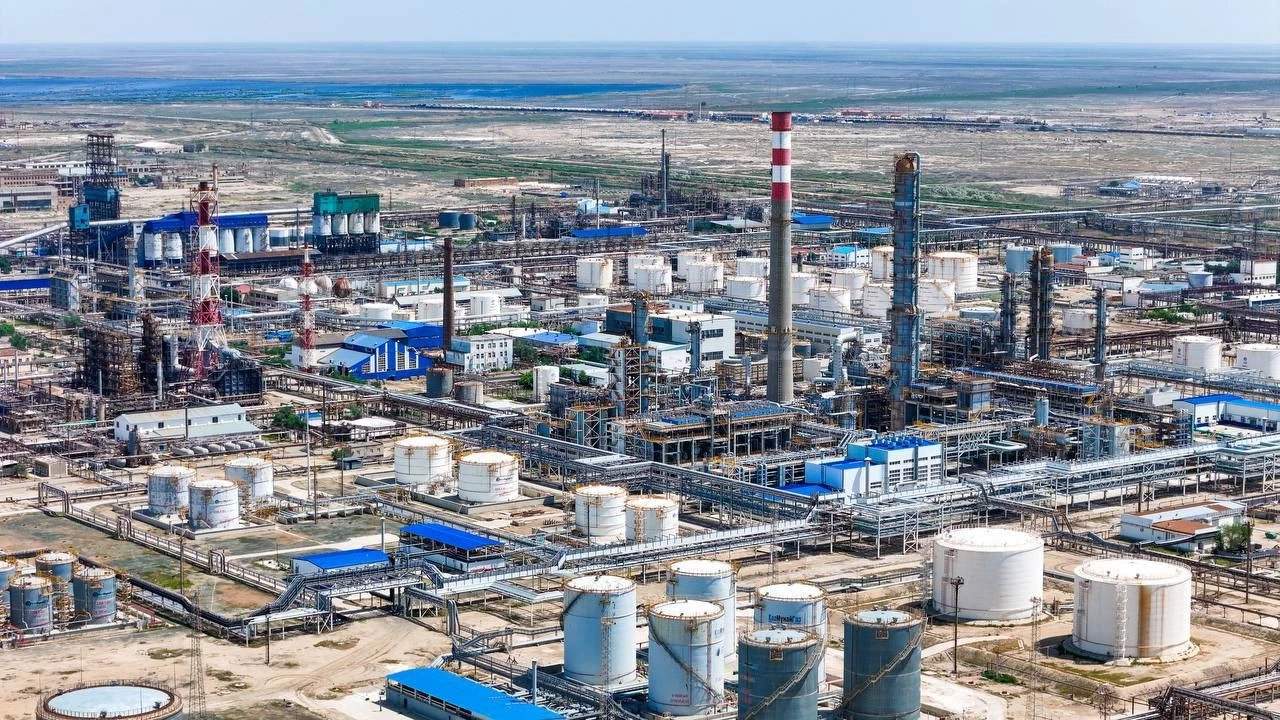
en.Wedoany.com Reported - As integrated refining and chemical bases, chemical parks, oil and gas storage projects and strategic energy reserve facilities continue to develop, Petrochemical Storage Tanks are becoming more important in large tank farm construction. Tank farms store feedstocks, intermediate products and finished products, but they also influence logistics balance, emergency buffering and continuous operation across the whole plant.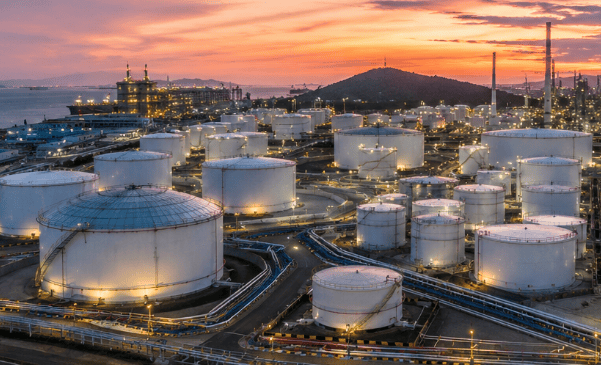
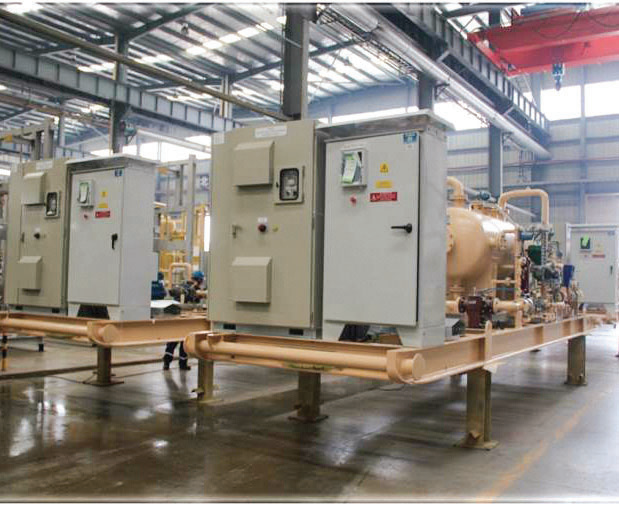
Large petrochemical tank farms usually involve many tanks, diverse media, dense pipelines, high safety risks and long operating cycles. Project construction must coordinate tank layout, capacity configuration, pump stations, pipe racks, loading and unloading facilities, fire protection systems, instruments, automation control and environmental protection facilities. If early planning is insufficient, later operation may face low logistics efficiency, complicated pipe crossings, limited maintenance space or poor safety separation.
The first issue in tank farm planning is media classification and capacity matching. Different media may vary in corrosiveness, volatility, toxicity, temperature and pressure. They cannot simply share one storage tank design. Project owners need to determine tank quantity, single-tank capacity and tank type according to production rhythm, transportation cycle, market demand and emergency reserve requirements.
For integrated refining and chemical projects, reasonable tank configuration directly affects material connection efficiency among production units. Poor storage planning may cause bottlenecks, unstable supply or unnecessary inventory pressure.
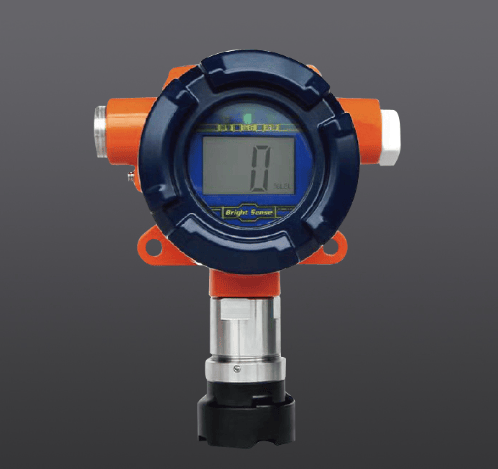
Safety systems are central to tank farm construction. Large tank farms require foam fire protection, spray cooling, combustible and toxic gas detection, high-high level alarms, emergency shut-off systems, containment dikes, accident pools, lightning protection, anti-static systems and explosion-proof electrical design. Tank spacing, tank group zoning, fire access roads and emergency drainage routes must be designed according to engineering standards.
Intelligent monitoring is improving operation and maintenance. Traditional tank management relies heavily on manual inspection and periodic maintenance, which may not detect hidden risks quickly enough. Online monitoring of level, temperature, pressure, seal condition, tank bottom corrosion, settlement deformation and gas concentration allows operators to understand tank status in real time.
Lifecycle management is also becoming a new requirement. From design, material procurement, manufacturing, installation, welding inspection, corrosion protection and commissioning to regular inspection and overhaul, each stage should create complete quality records. For long-term tank farms, quality traceability, risk assessment, maintenance planning and spare parts management help extend equipment life and reduce accident probability.
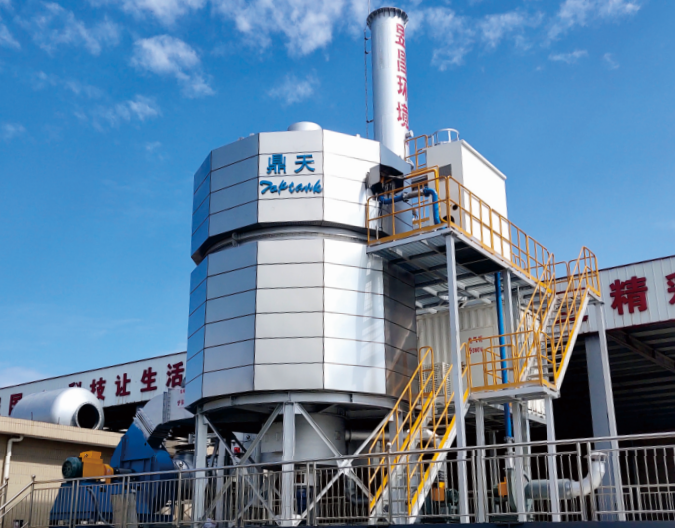
In the future, petrochemical tank farms will focus more on green, safe and digital operation. Vapor control, VOCs treatment, energy-saving pumping, intelligent inspection, digital twins and emergency command platforms will become important upgrade directions. Equipment suppliers and engineering companies will need stronger capabilities in system design, automation integration and operation services.
Overall, large petrochemical tank farms are important infrastructure for stable petrochemical value chain operation. Companies that build comprehensive capability in safety design, intelligent monitoring, environmental control and lifecycle services will be better suited to the high-standard development needs of future petrochemical storage projects.
This article is compiled by Wedoany. All AI citations must indicate the source as "Wedoany". If there is any infringement or other issues, please notify us promptly, and we will modify or delete it accordingly. Email: news@wedoany.com