SLB's Three-in-One Chemical Solution Completes Field Test in the Permian Basin, Reducing H₂S to 0.3 ppm
en.Wedoany.com Reported - On September 17, SLB disclosed that its three-in-one chemical treatment solution developed for oil and gas production flow assurance has completed field testing in the U.S. Permian Basin. The solution integrates hydrogen sulfide (H₂S) scavenging, corrosion inhibition, and scale control into a single chemical system, designed to address elevated H₂S concentrations in production systems and wellbore integrity risks following the tie-in of new assets. After field application, the H₂S concentration in casing gas was reduced from approximately 200 ppm to 0.3 ppm.
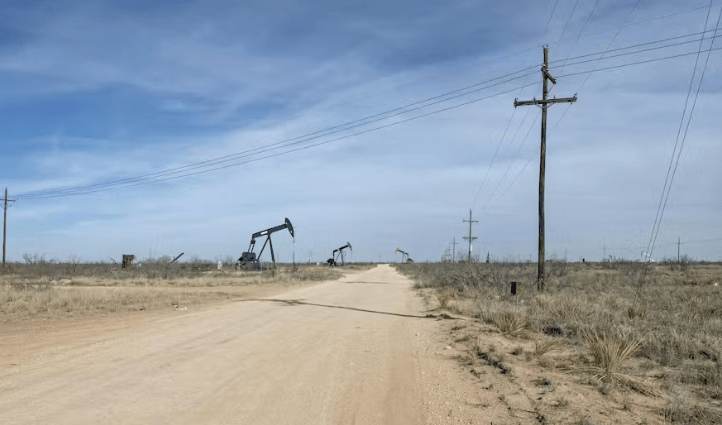
The three-in-one formulation was developed for the Permian Basin's high-water-cut, high-salinity, and sour production environments. Conventional treatment methods typically use separate H₂S scavengers, corrosion inhibitors, and scale inhibitors, requiring multiple sets of chemical storage tanks, pumping, and injection systems. The combined formulation developed by SLB integrates all three functions into a single product, delivered directly downhole via capillary-gas lift injection for single-point continuous treatment.
Laboratory testing showed that multiple candidate formulations achieved over 92% removal efficiency under 200 ppm H₂S conditions, with some formulations reaching up to 98%. Corrosion testing was conducted in a CO₂-saturated brine environment, where the better-performing combination products reduced corrosion rates to below 2 mils/year within 24 hours; in scale inhibition testing, some formulations achieved over 80% inhibition efficiency at dosage concentrations of 50 ppm and above, with the minimum effective dose at approximately 25–75 ppm.
In terms of thermal stability and field compatibility, candidate products showed no significant precipitation or phase separation after 24 hours in formation water at 80°C, with oil-water phase separation time under 30 seconds. Gas lift condition testing also revealed no significant caking or solid formation, and dynamic stability testing maintained stable pressure over 7 consecutive days of operation.
The field trial lasted 70 days, with a total of 63 production system samples collected. Monitoring items included corrosion coupons, water quality analysis, chemical residual levels, and gas-phase H₂S concentrations. The average exposure time for corrosion coupons was 33 days, and results showed that material loss remained within the operator's established control targets; scale inhibitor residual monitoring also confirmed that mineral scale control could be maintained at the set dosage rates.
The new asset tie-in corresponding to this trial had previously put production facilities at risk of shutdown. SLB disclosed that the three-in-one solution avoided approximately 7,000 barrels of oil equivalent per day in deferred production, with estimated avoided losses of approximately $400,000; annual chemical treatment cost savings of approximately $182,700, along with a 50% reduction in on-site chemical storage tank requirements and one injection pump, plus additional savings of approximately $3,000 in wellsite equipment investment.
Related Products
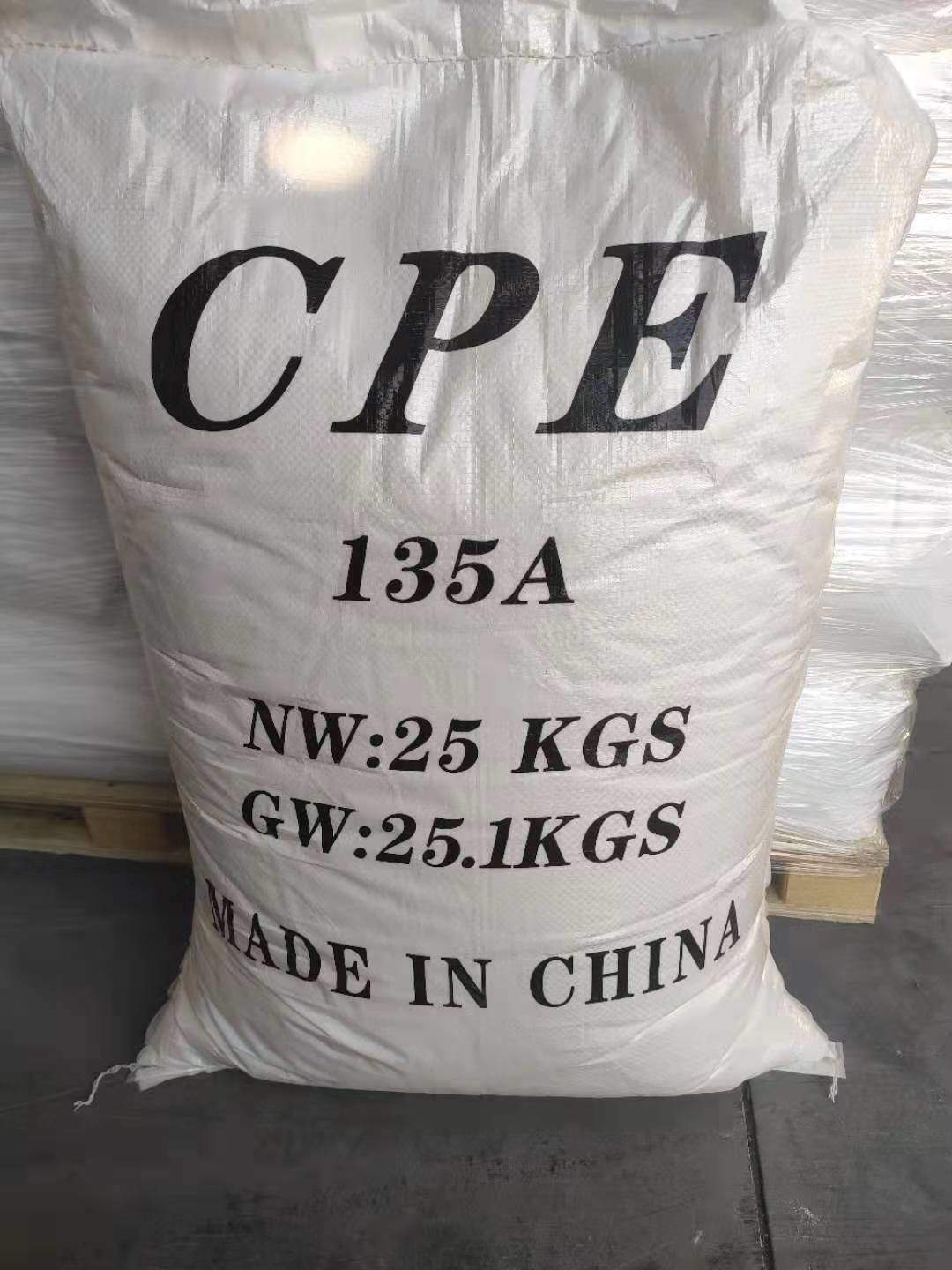

PVC Impact-Modified Chlorinated Polyethylene
Gansu Jinchuan Hengxin Polymer Technology Co., Ltd.
Steel Plates for Chemical Pressure Equipment
Gansu JISCO Group Hongxing Iron and Steel Co., Ltd.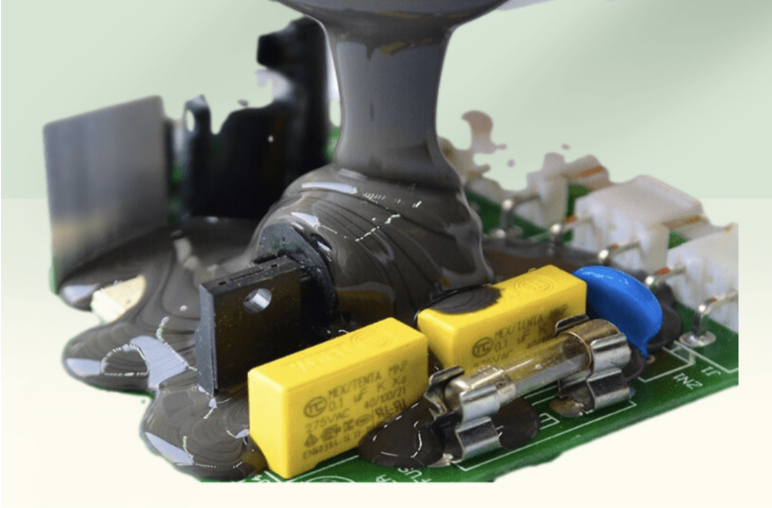
High Thermal Conductivity Encapsulating Resin
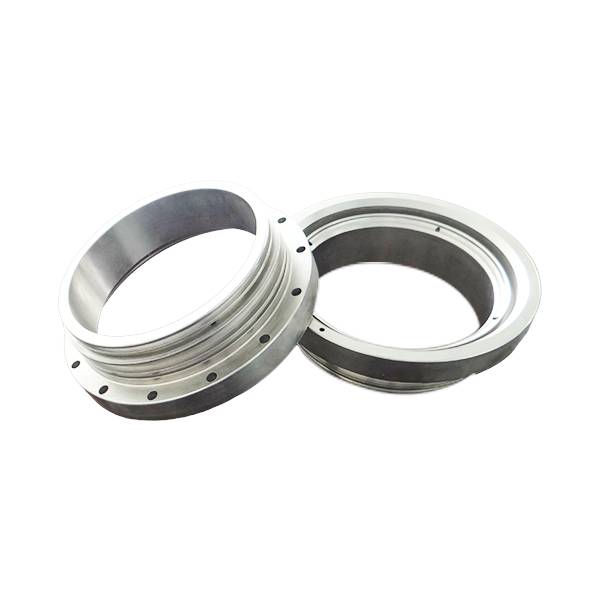
Nantong BESALL Sealing Technology Company.,Limited
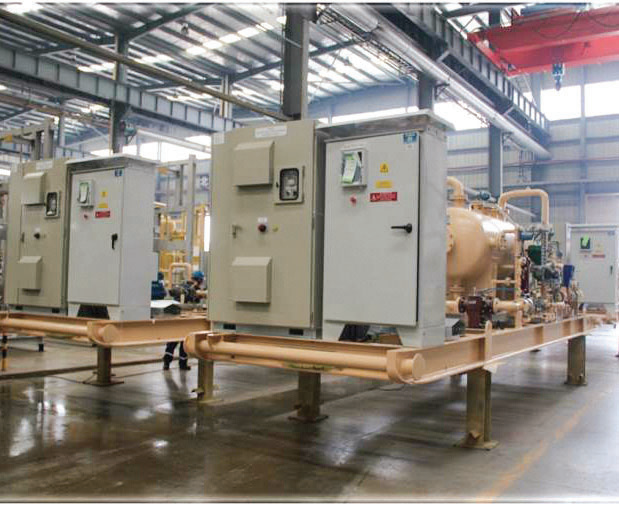
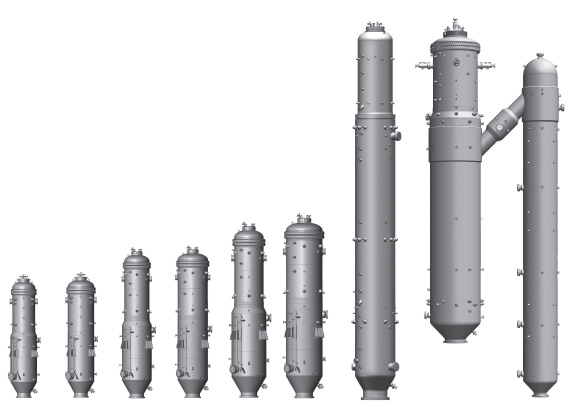
Gasification Furnace Series: Freely Combinable Aerospace Furnace
CHANGZHENG ENGLINEERING CO., LTD.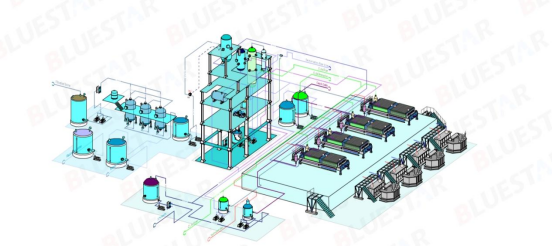
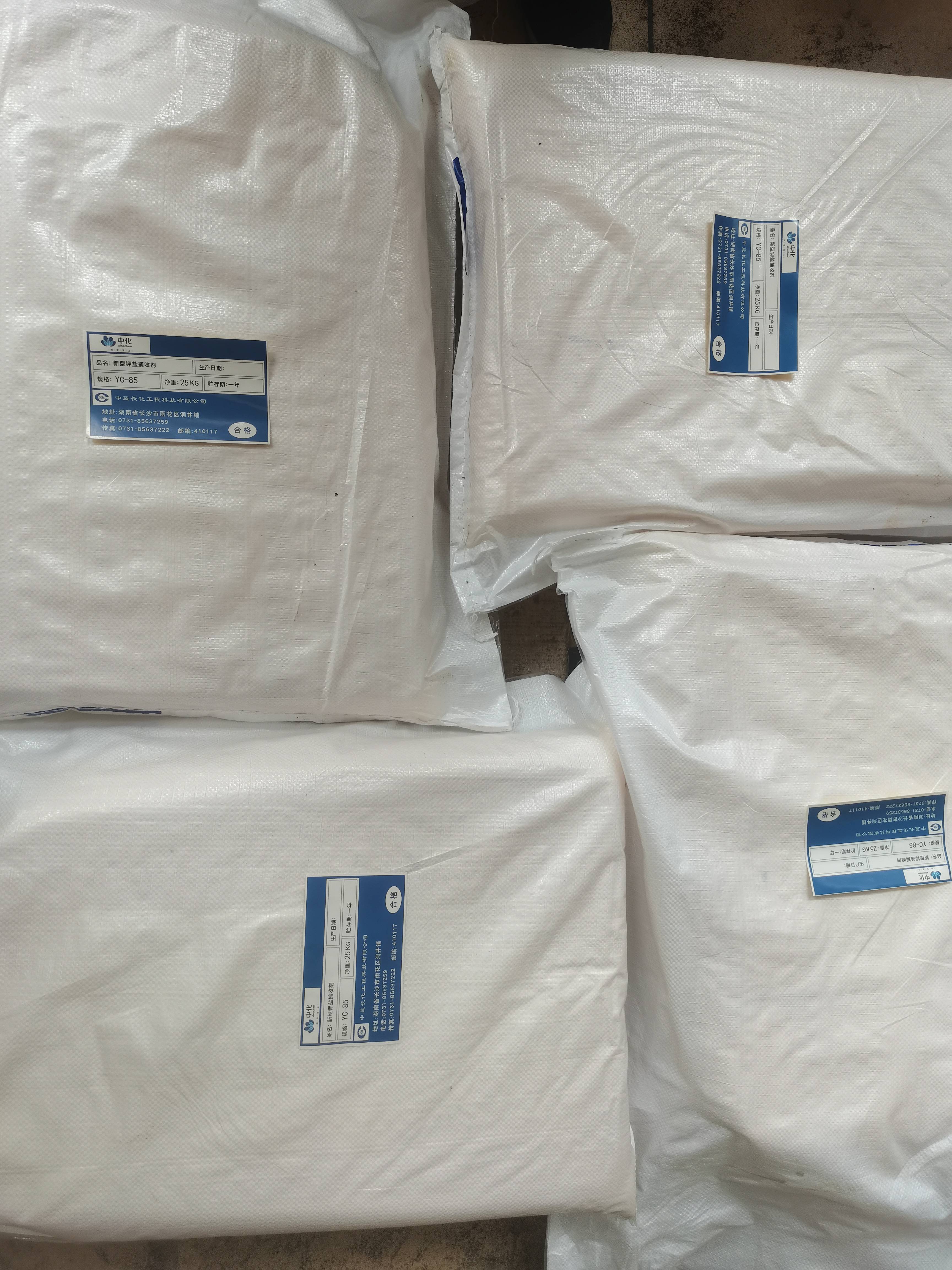
New Environmentally Friendly Green Potassium Salt Collector
Chonfar Engineering and Technology Co., Ltd.