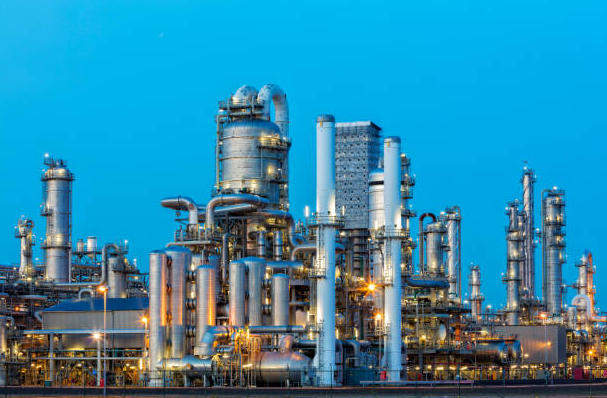
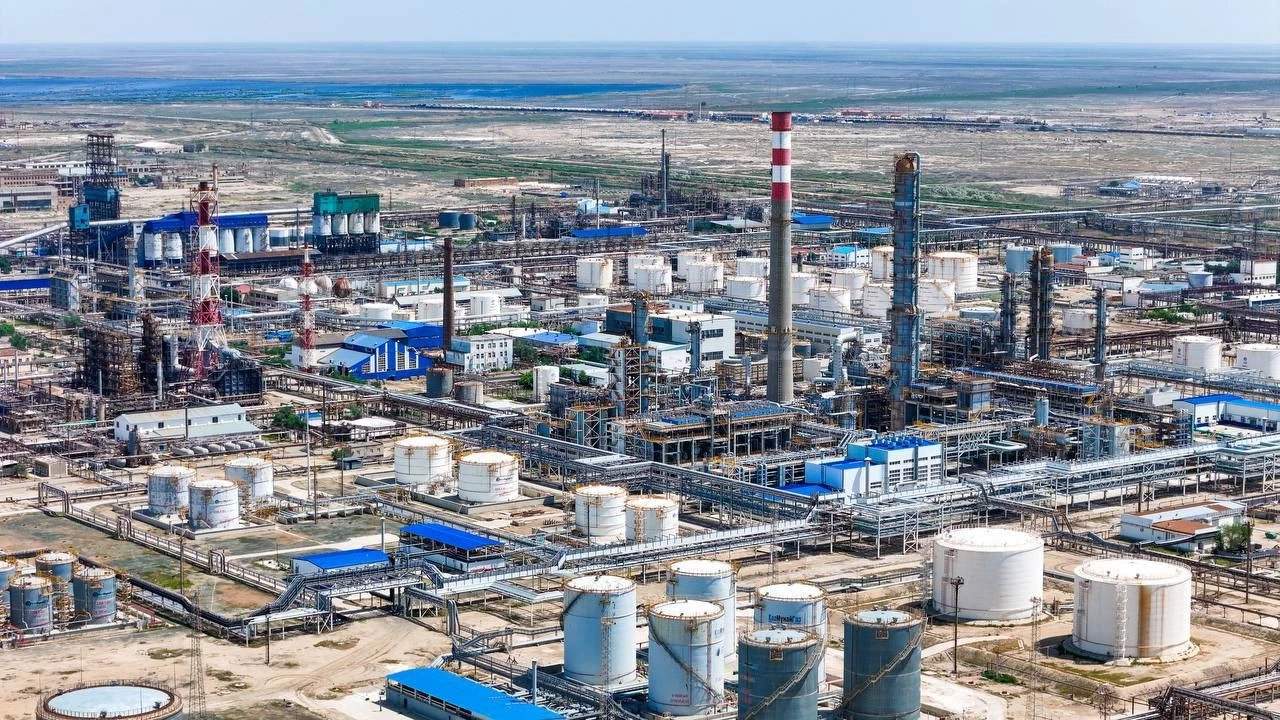
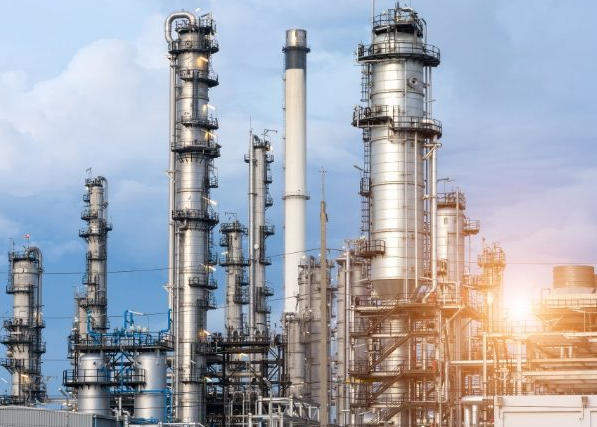
Petrochemical Storage Tanks Require Stronger Safety, Corrosion Protection and Leakage Control
en.Wedoany.com Reported - Petrochemical Storage Tanks are critical storage equipment in oil refining, chemical production, oil and gas storage, coal chemicals, fine chemicals and energy bases. They are used to store crude oil, refined products, liquefied gas, chemical feedstocks, intermediate products, solvents, acid and alkali liquids and other hazardous chemicals. Because petrochemical media can be flammable, explosive, corrosive, toxic or highly volatile, the design, manufacturing, installation and operation quality of storage tanks directly affects plant safety, environmental compliance and production continuity.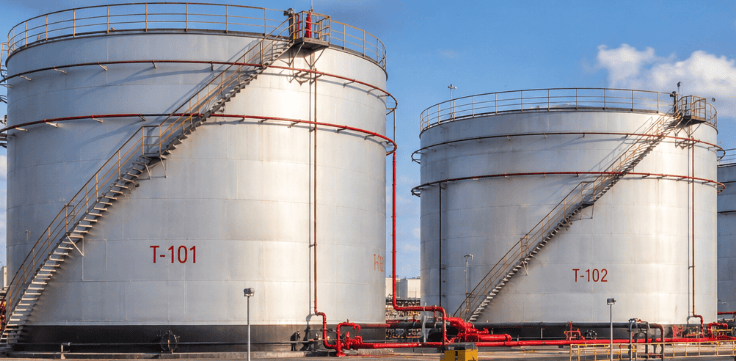
Common tank types include fixed-roof tanks, floating-roof tanks, internal floating-roof tanks, spherical tanks, horizontal tanks, low-temperature tanks and pressure storage tanks. Different media require different structures and safety configurations. Crude oil and refined product storage usually focuses on vapor loss control, fire protection, lightning protection and anti-static design. Liquefied gas and high-pressure media require pressure vessel design, welding quality and safe relief systems. Corrosive chemical media require material adaptation, internal lining and reliable sealing.
Material selection is the foundation of safe tank operation. Carbon steel, stainless steel, low-temperature steel, alloy steel, duplex stainless steel, fiberglass, rubber-lined and plastic-lined materials all have different application boundaries under different temperature, pressure and corrosion conditions. If material selection is improper, storage tanks may suffer corrosion perforation, weld failure, bottom plate thinning or leakage at sealing parts.
Project owners should not evaluate tanks only by capacity and price. Medium properties, design temperature, design pressure, corrosion rate, external environment and maintenance cycle should be considered together. In high-risk petrochemical applications, material suitability is often more important than initial procurement cost.
Corrosion protection greatly affects tank service life. The inner wall is exposed to stored media, while the outer wall may face atmosphere, rain, salt spray, ultraviolet light and industrial corrosive environments. For large tank farms and chemical storage areas, coating systems, cathodic protection, tank bottom corrosion protection, bottom inspection and scheduled maintenance are essential.
Leakage control and safety monitoring are becoming key upgrade directions. Level gauges, pressure instruments, temperature sensors, combustible gas detectors, leakage alarms, emergency shut-off valves, breather valves, flame arresters, foam fire protection systems and containment dikes are all important safety configurations. In tank farms, the safety of one tank does not equal the safety of the whole area. Layout, fire access, drainage, explosion-proof electrical systems and emergency linkage must also be considered.
In the future, petrochemical storage tanks will place greater emphasis on intelligent operation and maintenance. Online level monitoring, tank bottom corrosion detection, seal condition monitoring, video inspection, drone inspection and tank management platforms can help operators identify abnormal conditions earlier and reduce manual inspection pressure.
Overall, petrochemical storage tanks are not simple containers. They are safety nodes in petrochemical production and storage systems. Only by considering materials, corrosion protection, sealing, fire protection, monitoring and maintenance together can tanks operate safely, stably and in compliance over the long term.
This article is compiled by Wedoany. All AI citations must indicate the source as "Wedoany". If there is any infringement or other issues, please notify us promptly, and we will modify or delete it accordingly. Email: news@wedoany.com
Related Products


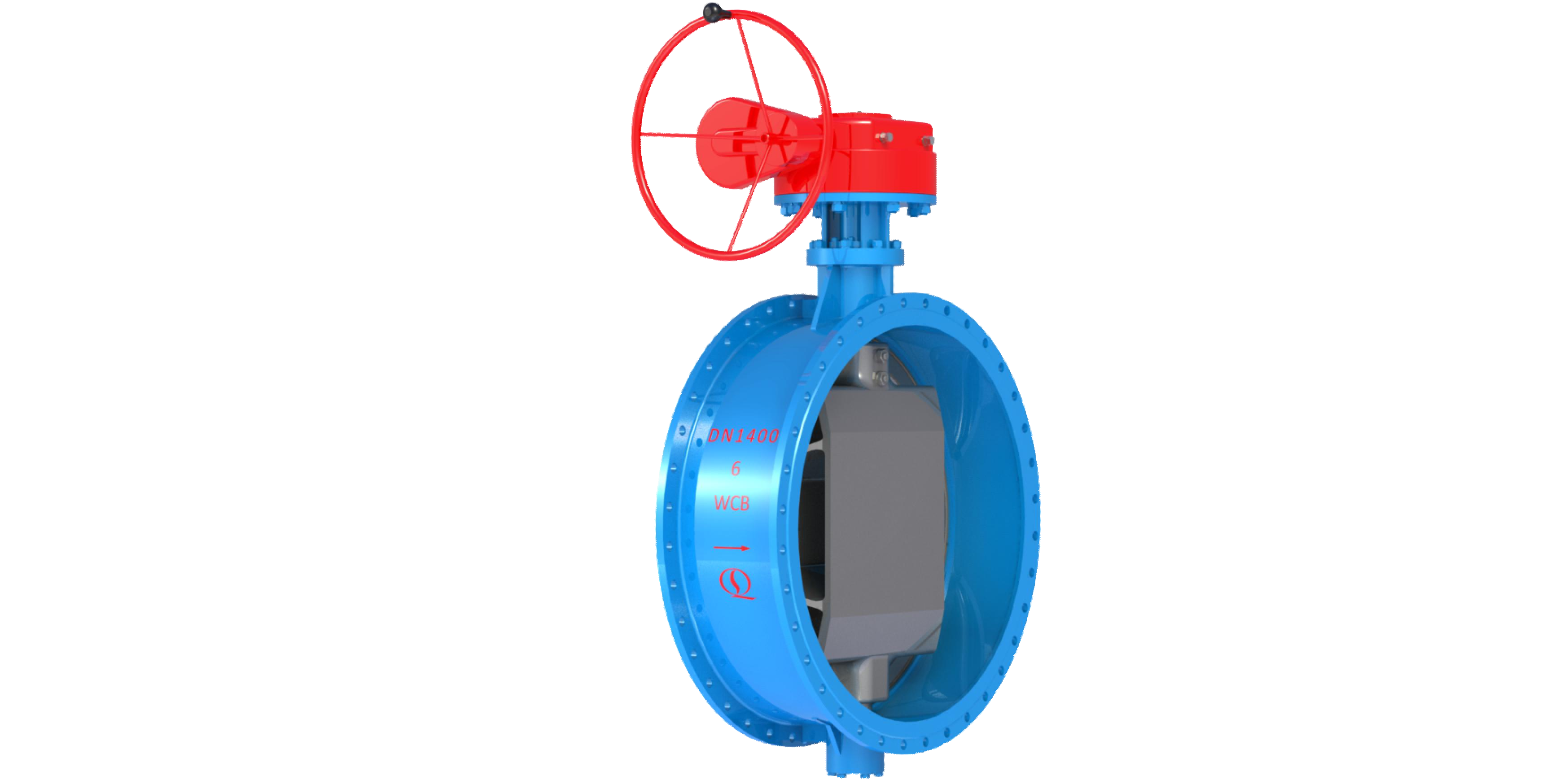
Bidirectional Metal Hard Sealed Seawater Butterfly Valve
Henan Quanshun Flow Control Science & Technology Co., Ltd.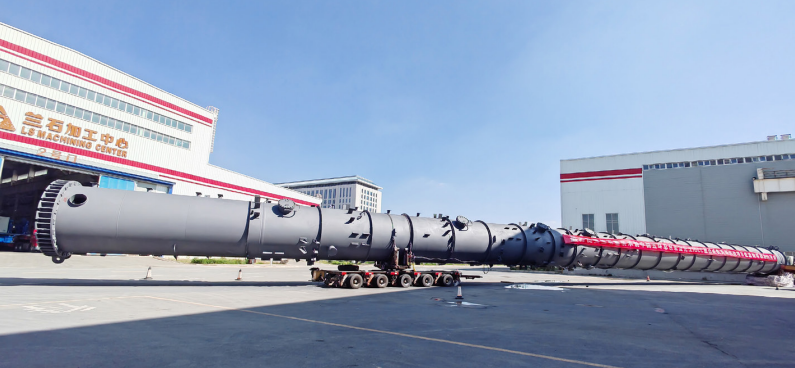
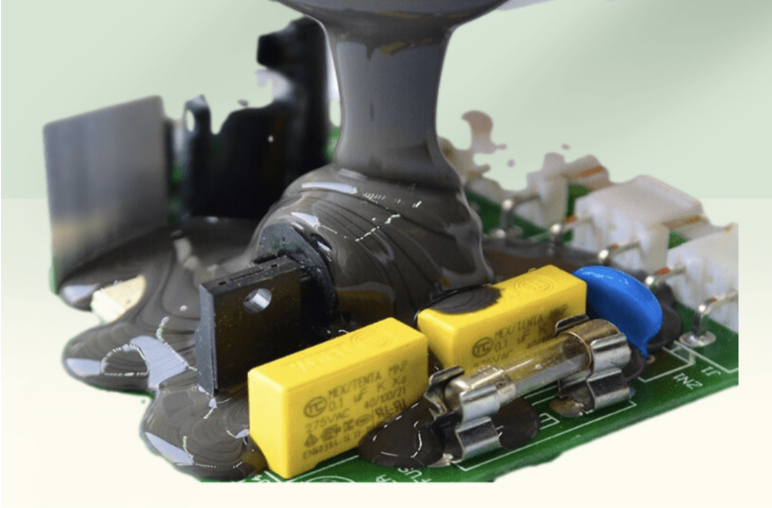
High Thermal Conductivity Encapsulating Resin
Nantong BESALL Sealing Technology Company.,Limited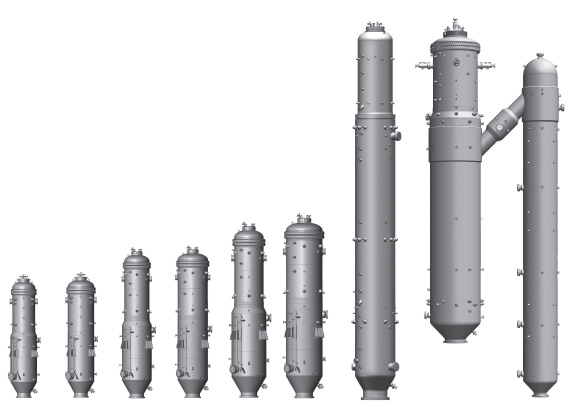
Gasification Furnace Series: Freely Combinable Aerospace Furnace
CHANGZHENG ENGLINEERING CO., LTD.

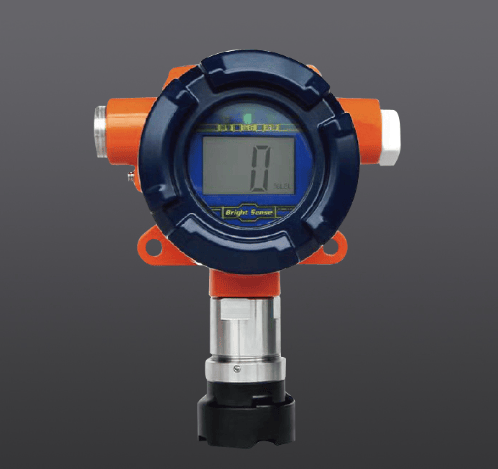
Industrial and Commercial Point-Type Gas Detector
Jinan Benan Technology Development Co., Ltd.