Report: Global Battery Energy Storage Capacity to Grow Sixfold from 2025 to 2030
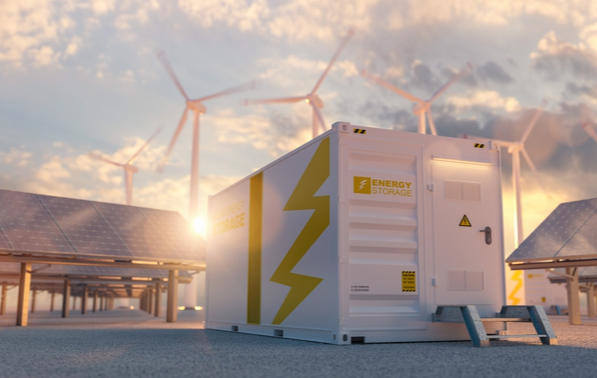
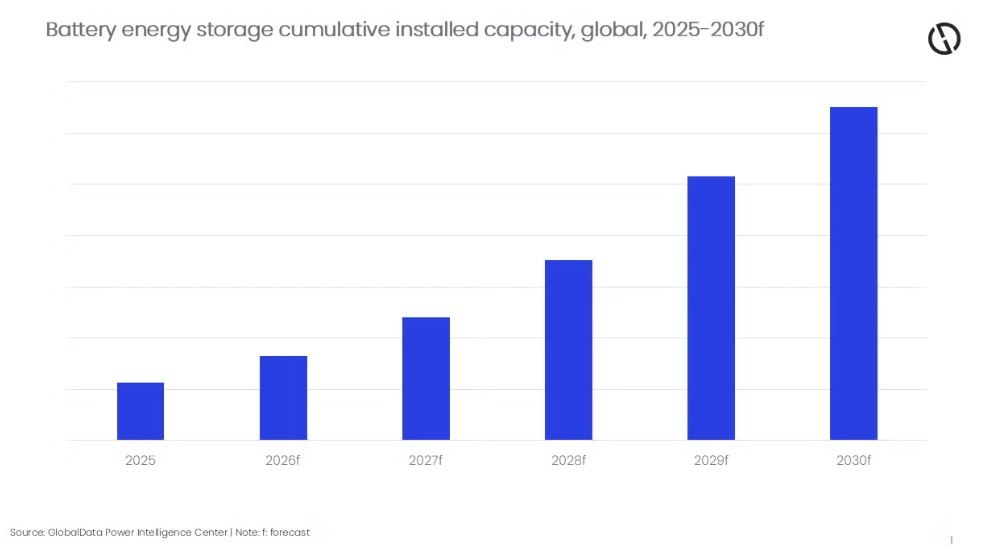
en.Wedoany.com Reported - A recent report by GlobalData predicts that global installed capacity of battery energy storage systems (BESS) will increase sixfold between 2025 and 2030, with a compound annual growth rate of 42%. The rapid growth of wind and solar power has led to increased intraday fluctuations in electricity generation, resulting in imbalances and curtailment that can be economically and efficiently managed through batteries. Furthermore, the continued decline in lithium-ion battery costs, the strengthening of supply chains, and public policy support for energy storage deployment in various countries are collectively driving this growth trend.
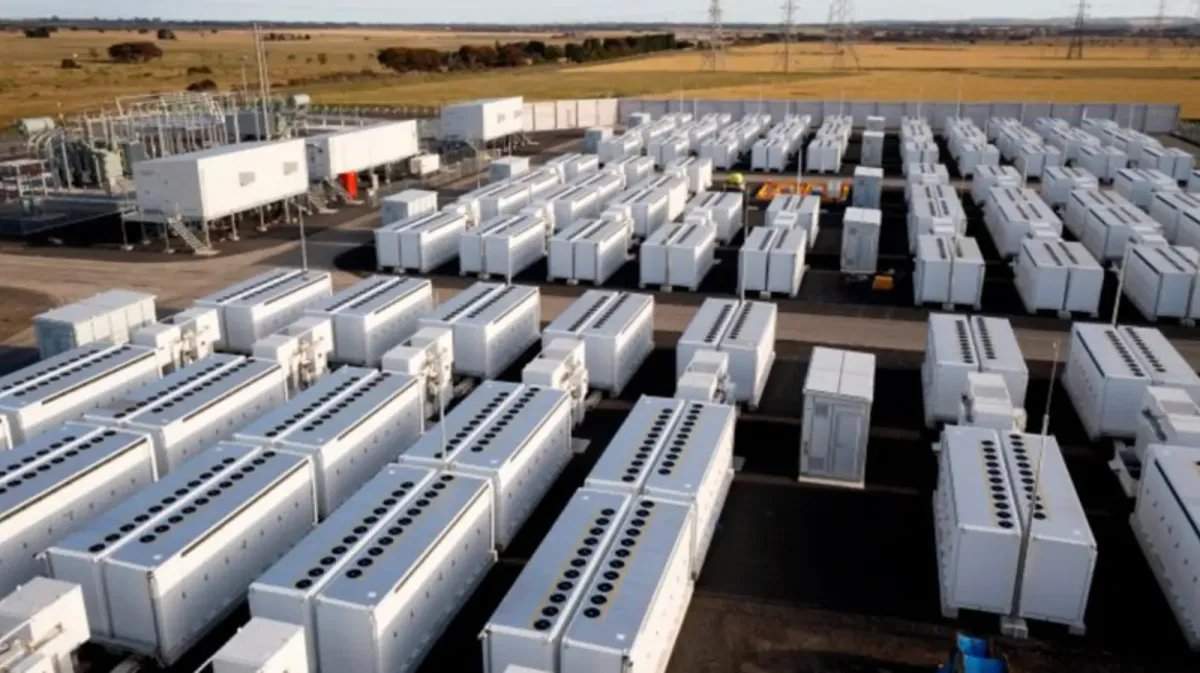
The report, "Strategic Intelligence: Batteries in Power, 2026," indicates that China and the United States will continue to lead the global battery energy storage market. As of the end of 2025, the two countries together accounted for 74.6% of global installed capacity, benefiting from favorable regulatory frameworks, large-scale grid-level system procurement plans, and ambitious energy transition targets.
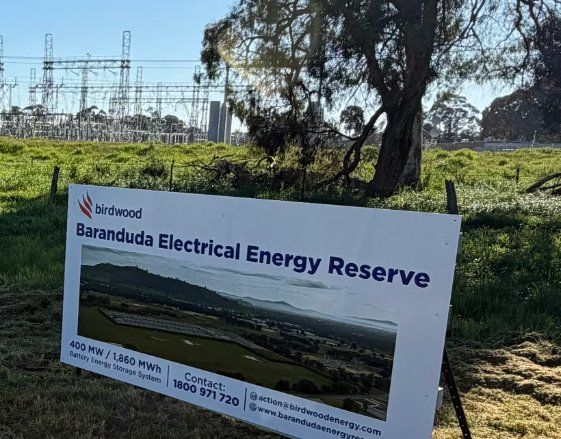
The power industry is increasingly adopting four-hour duration energy storage systems, replacing the traditional two-hour design. Rehaan Shiledar, Energy Analyst at GlobalData, stated that the increased share of solar and wind power has led to longer mismatches between generation and consumption, making it more valuable to shift electricity generated by renewables during peak daytime hours to evening peak demand periods. This strategy reduces clean energy curtailment and provides reliable capacity to the power system. This trend is already reflected in public tenders and regulatory requirements: most projects driven by the California Public Utilities Commission (CPUC) require at least four hours of storage duration; public tenders in Victoria and New South Wales, Australia, prioritize long-duration storage solutions; the UK is shifting focus from frequency regulation to energy and capacity services; and large hybrid projects in the Middle East (combining solar with storage) are being tendered to supply power during nighttime hours.
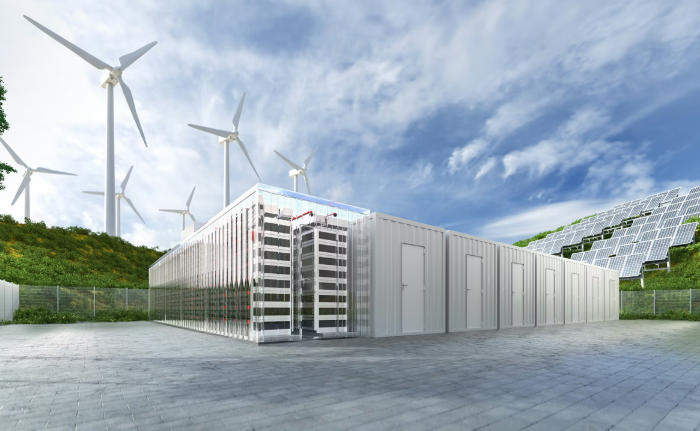
Hybrid power plants, particularly the combination of solar power and energy storage, are becoming the industry reference model. Sharing the same site and a single grid connection point helps reduce costs and shorten development cycles. By storing solar energy that would otherwise be wasted and selling it when electricity prices are highest, batteries can enhance facility profitability. In areas with grid connection capacity constraints, photovoltaic power stations can be overbuilt, storing excess electricity and injecting it into the grid without exceeding the authorized connection capacity. This practice is already common in California to ensure available power during periods of maximum demand. In electricity markets with high price volatility, such as Texas, batteries can generate revenue through energy arbitrage strategies while improving system stability.
The report predicts that battery energy storage systems will evolve from traditional uninterruptible power supply (UPS) functions to a more active role. Batteries can dynamically manage the power flow between the grid and computing equipment, responding to voltage dips or frequency fluctuations within milliseconds and providing instant backup power during supply interruptions. Additionally, batteries help reduce operating costs: maintaining power consumption within available connection limits, addressing short-term peak demand, lowering demand charges, and smoothing load fluctuations, thereby facilitating the expansion of data centers in areas with limited grid capacity.
GlobalData believes that energy time-shifting has become the primary economic driver for battery energy storage. By absorbing excess renewable energy generation and supplying power when demand is highest, batteries improve system reliability, reduce curtailment, alleviate grid congestion, and decrease reliance on backup units. As battery costs continue to decline and projects maximize different revenue streams with regulatory support, energy time-shifting will remain the main driver for global energy storage deployment and a key component of power systems with high shares of renewable energy.
Related Products



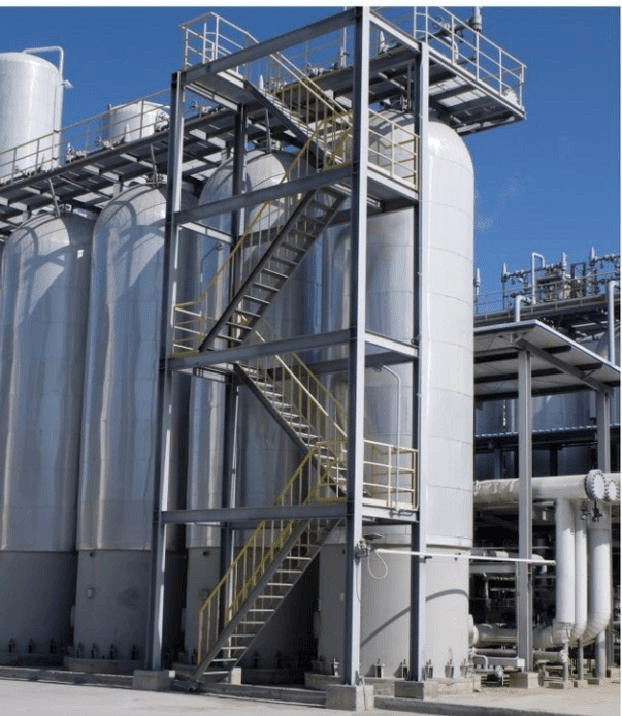
Hydrogen Production Technology: Hydrogen Purification by Pressure Swing Adsorption
Chengdu Yizhi Technology Co., Ltd.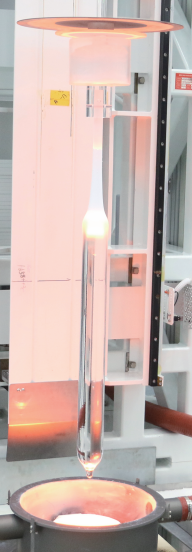
G.652.D Wavelength-extended Non-dispersion Shifted Single-mode Optical Fiber
HONGAN GROUP CO., LTD.
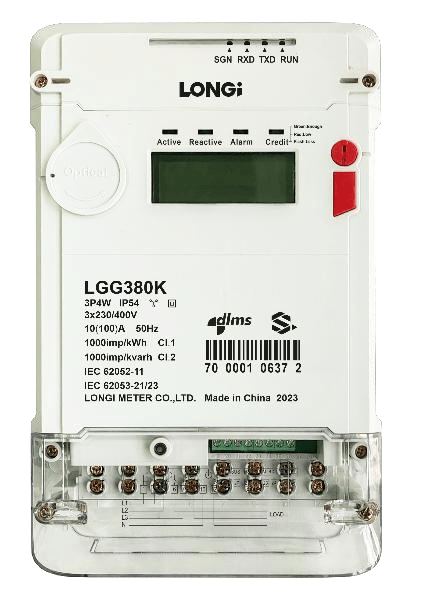
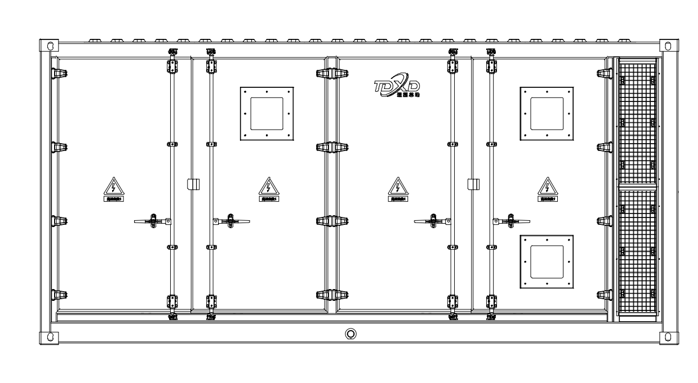
5012kWh DC Energy Storage System TD-EES-5012kWh
Suzhou Tongding Xindong Energy Storage Technology Co., Ltd.