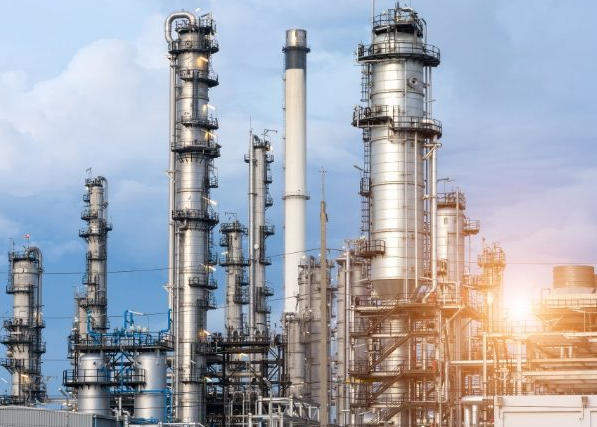
Petrochemical Compressors Are Moving Toward Lifecycle Service, Digital Monitoring and Smarter Maintenance
en.Wedoany.com Reported - As petrochemical plants become larger and more continuous in operation, Petrochemical Compressors are no longer viewed only as supporting process equipment. They are increasingly treated as critical nodes that influence plant output, energy consumption and operating safety. In the past, buyers often focused mainly on equipment parameters and initial investment. Today, more projects are evaluating compressor solutions from the perspective of system integration, maintenance convenience, spare parts support, condition monitoring and lifecycle cost.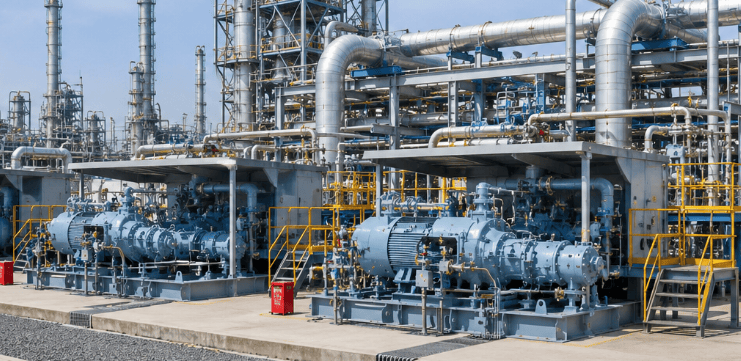
The operating risk of petrochemical compressors is cumulative. Many plants are expected to run at high load for long periods throughout the year. If a compressor suffers an unplanned shutdown, the impact is not limited to repair expense. It may also reduce throughput or even force the shutdown of an entire production chain. In continuous systems such as ethylene cracking, hydrotreating, natural gas processing, fertilizer synthesis and coal chemicals, compressor reliability often determines the rhythm of the whole process. As a result, project owners are paying more attention to equipment redundancy, critical component life, overhaul intervals and fault warning capability.
In real operation, compressor problems do not always come from the machine body alone. Inlet filtration, cooling stability, lubrication quality, control logic, piping stress transfer and foundation vibration may all contribute to performance decline or fault amplification. This means compressor solutions should not be designed in isolation. They need overall optimization in terms of drive method, sealing arrangement, piping layout, instrumentation and auxiliary systems. For large petrochemical projects, engineering design capability at the system level is often more important than isolated equipment parameters.
Maintenance strategy is becoming a major factor in long-term economics. The traditional model of repairing equipment only after failure is becoming less suitable for modern petrochemical plants. With condition monitoring and predictive maintenance, operators can evaluate vibration, temperature, pressure, oil condition, bearing wear and seal performance, then arrange shutdown windows and spare parts preparation in advance. This reduces sudden losses, lowers maintenance cost, extends service life and helps maintain higher plant availability.
Digitalization is also upgrading compressor management. With DCS, PLC, edge data collection devices and industrial internet platforms, operators can monitor compressor load, efficiency change, energy use and alarm trends in real time. In large refining or chemical complexes with multiple parallel units, digital platforms can also support remote diagnosis, fleet benchmarking and health management. In the future, compressor systems with data acquisition, health assessment and remote service capability will be better suited to the needs of large industrial facilities.
Low-carbon transformation is also reshaping the compressor market. As enterprises pay more attention to electricity use, steam consumption, emission control and energy utilization efficiency, high-efficiency design, variable-frequency control, waste heat coordination and low-leakage sealing technologies are becoming more important. Suppliers that can combine energy-saving upgrades with safe and reliable operation will be better positioned in both high-standard new projects and retrofit markets.
Overall, the petrochemical compressor business is moving from “selling equipment” toward “delivering long-term capability.” Future competition will depend not only on who can manufacture a qualified compressor, but also on who can help users achieve stable operation, energy saving, precise maintenance and long-term value optimization. For petrochemical companies, choosing a compressor solution is essentially choosing a process assurance system for the future.
This article is compiled by Wedoany. All AI citations must indicate the source as "Wedoany". If there is any infringement or other issues, please notify us promptly, and we will modify or delete it accordingly. Email: news@wedoany.com
Related Products
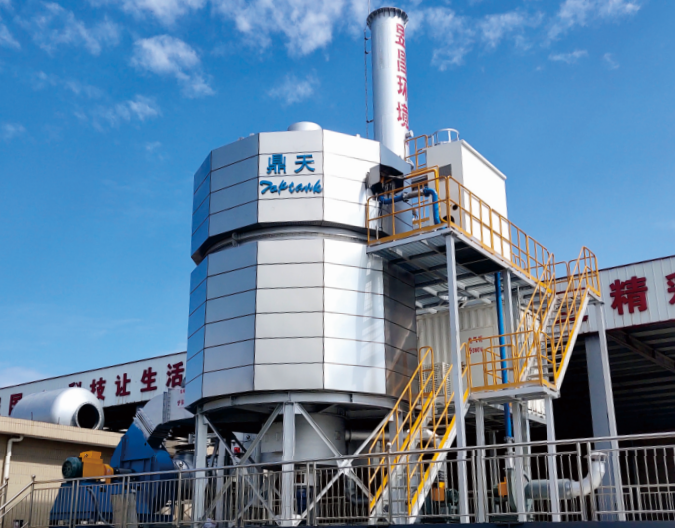

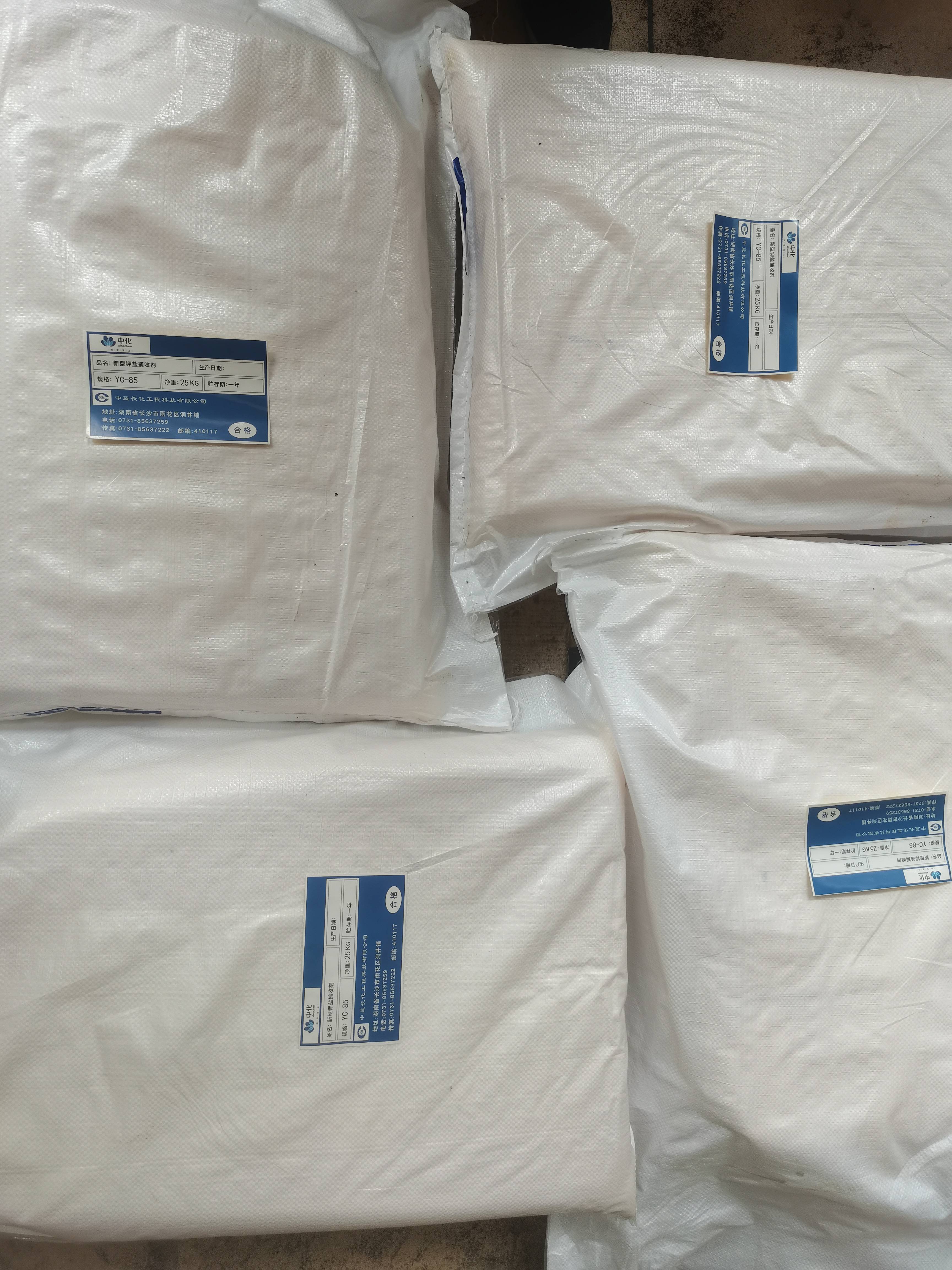
New Environmentally Friendly Green Potassium Salt Collector
Chonfar Engineering and Technology Co., Ltd.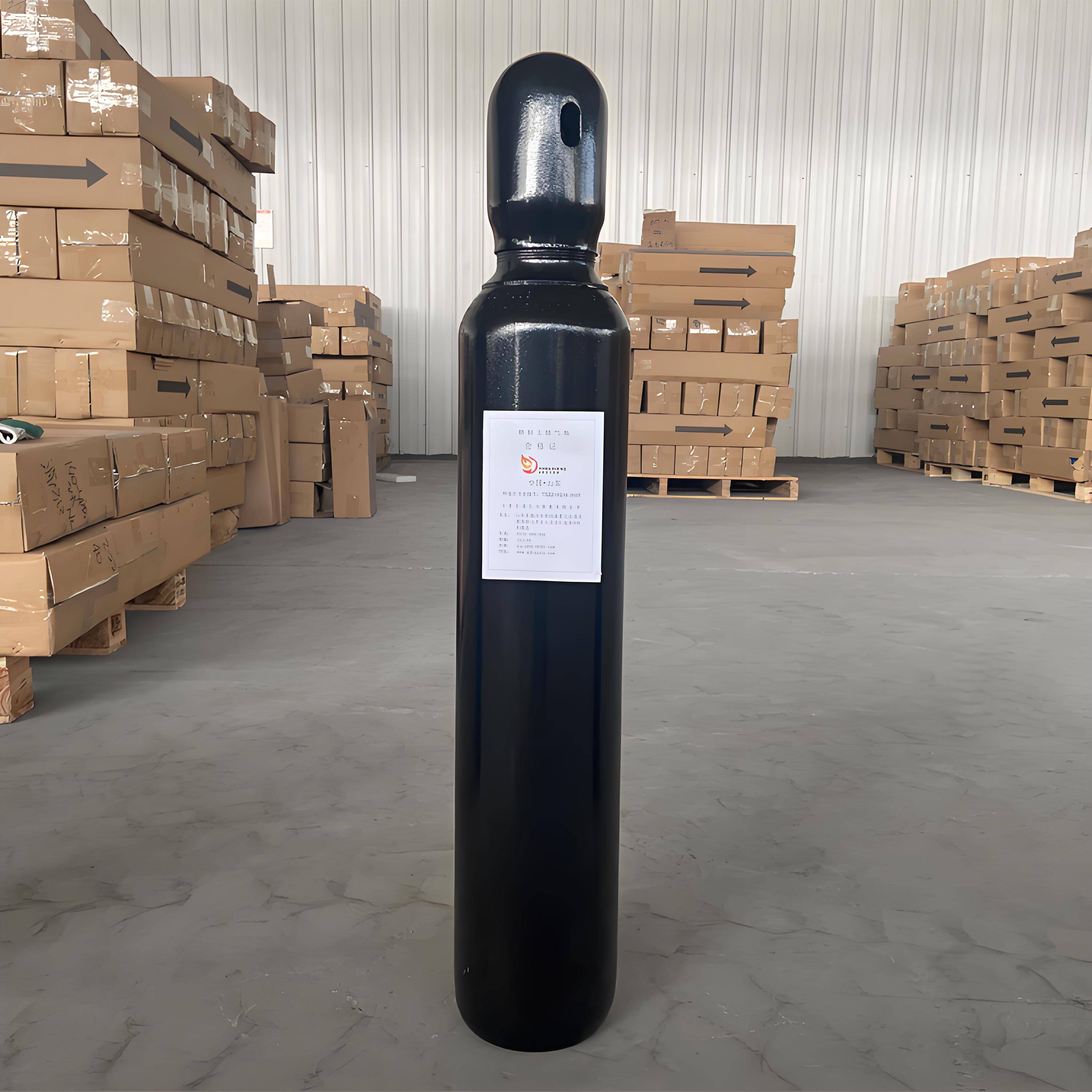
Nitrogen Export, Nitrogen Manufacturer, High-purity Nitrogen Supplier
Foshan Yuexin Industrial Gas Co., Ltd.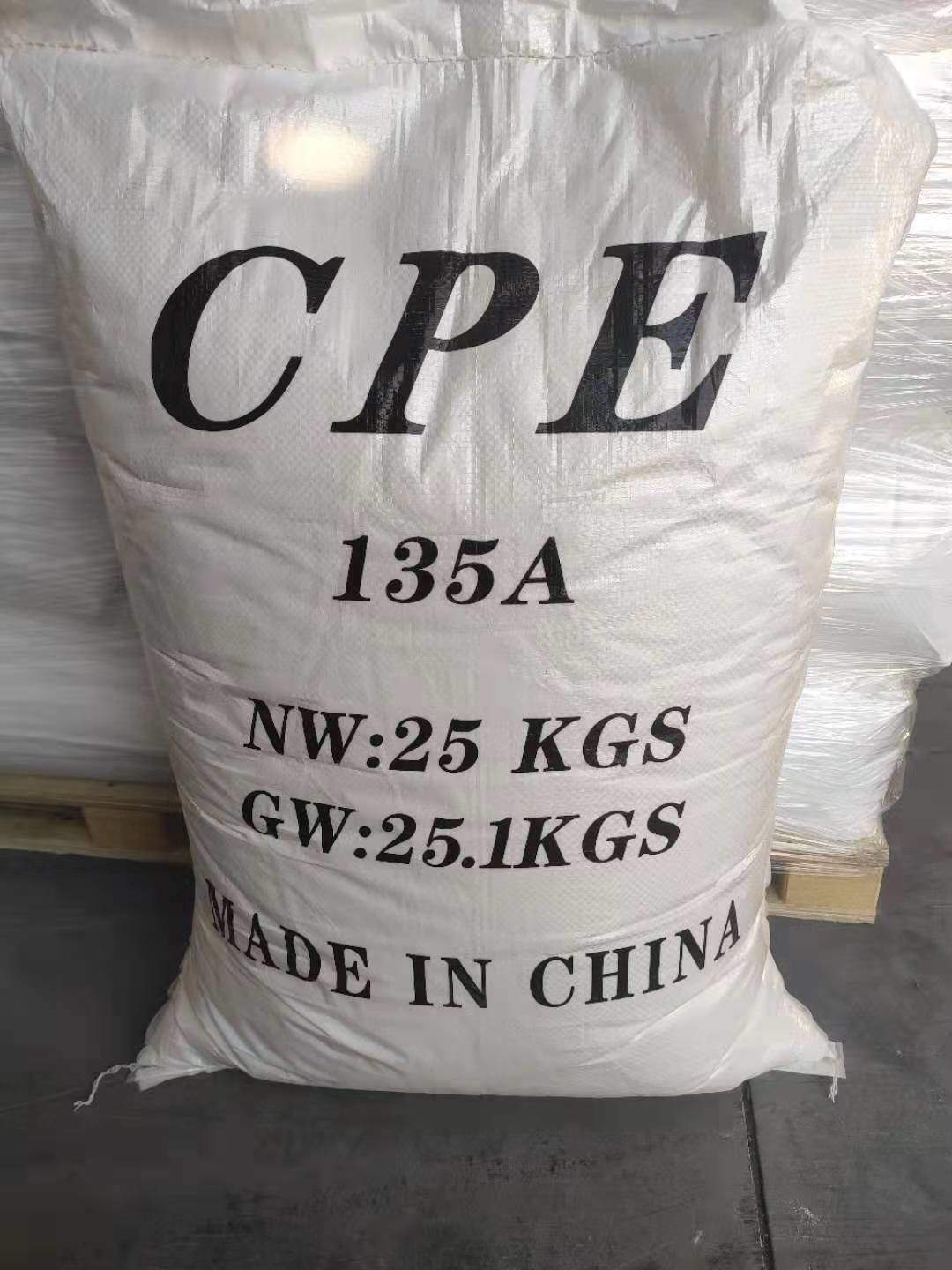
PVC Impact-Modified Chlorinated Polyethylene
Gansu Jinchuan Hengxin Polymer Technology Co., Ltd.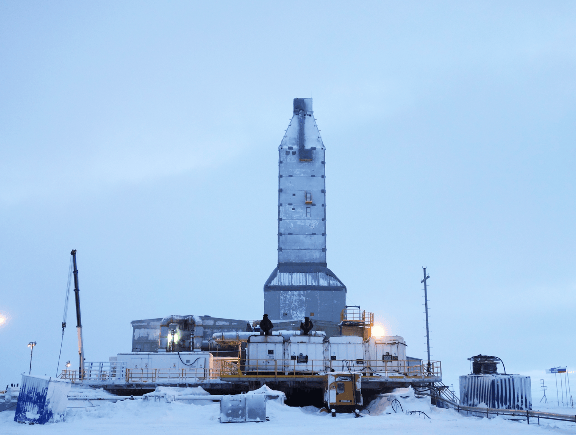
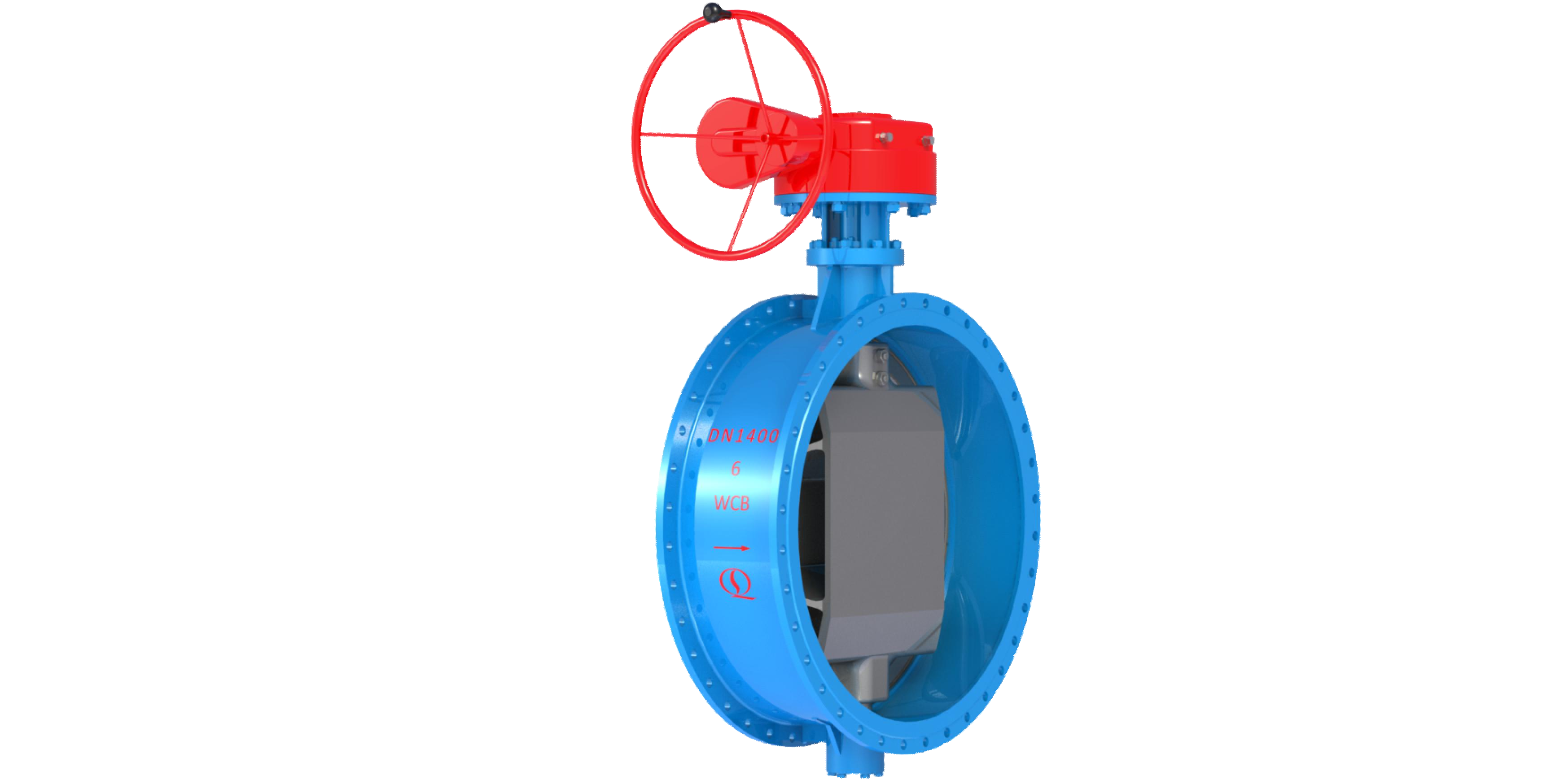
Bidirectional Metal Hard Sealed Seawater Butterfly Valve
Henan Quanshun Flow Control Science & Technology Co., Ltd.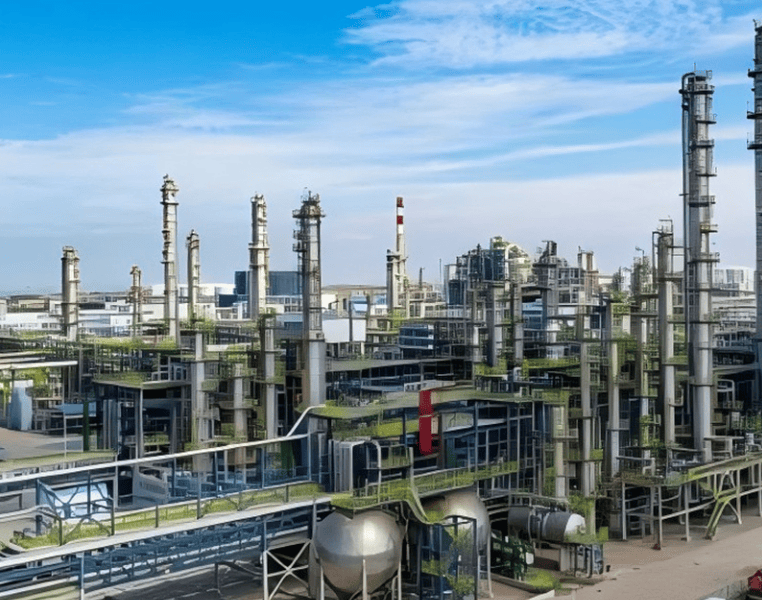
Steel Pipes for Refining and Coal Chemical Industries
YANGZHOU LONTRIN ENERGY EQUIPMENT CO.,LTD.

CAP1400 main feedwater flow nozzle flowmeter.
Jiangsu Hongda Instrument Technology Co., LTD.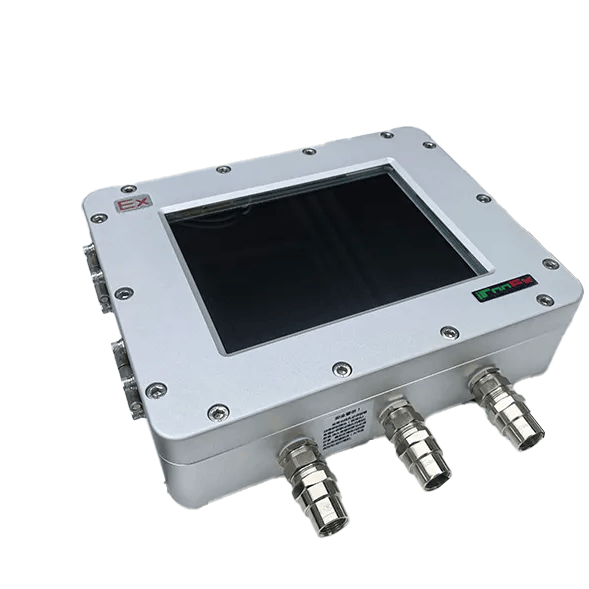
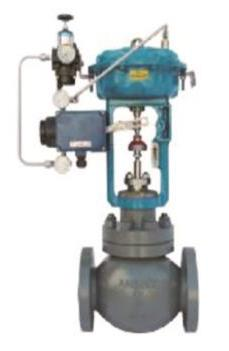
Quick-Change Single-Seat Control Valve / Quick-Change High-Pressure Single-Seat Control Valve
Beijing Consen Automation Technology Co., Ltd.