en.Wedoany.com Reported - Port Construction is a key foundation for transport infrastructure, international trade, energy transportation and regional industrial development. As global supply chains adjust, vessels become larger and multimodal transport demand grows, port projects are no longer limited to terminals, berths and yards. They are evolving into integrated logistics hubs, industrial service platforms and regional gateways.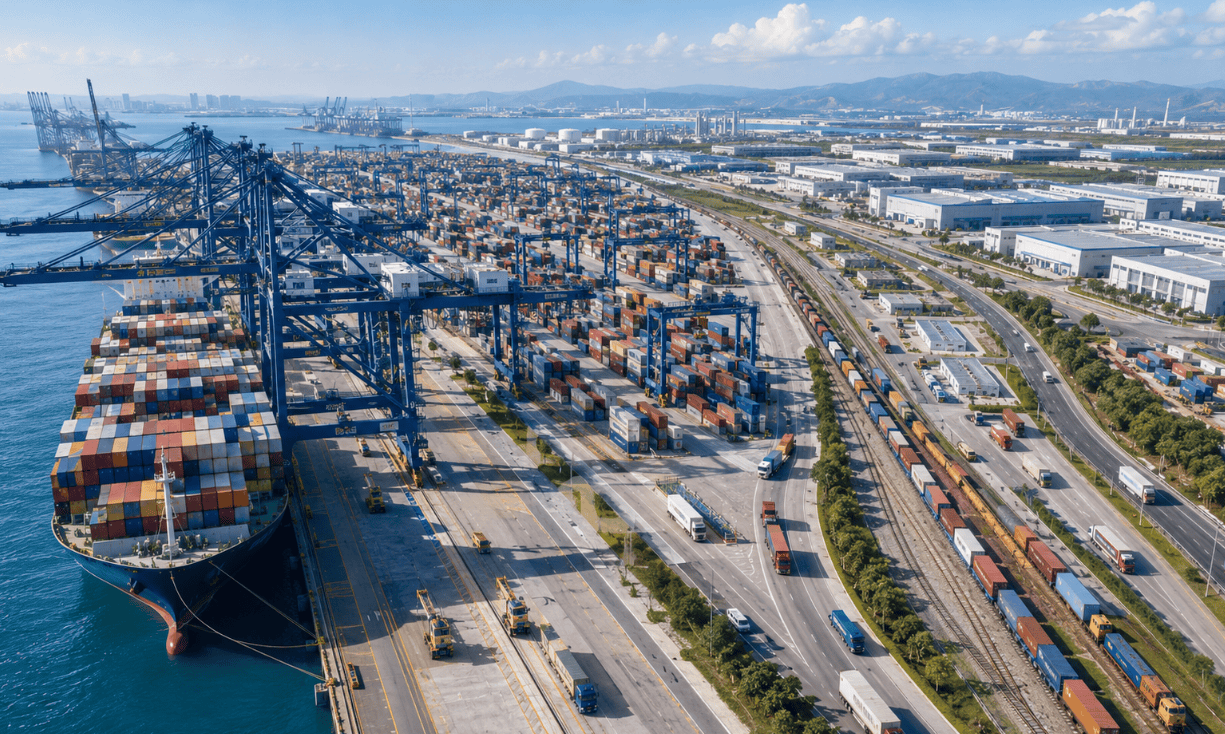
The competitiveness of a modern port depends not only on whether it can accommodate large vessels, but also on whether cargo can move efficiently between the port, railways, highways, inland waterways, warehouses and industrial zones. Traditional port construction mainly focused on shoreline resources, berth capacity, channel depth, handling equipment and yard area. Today, system coordination is becoming more important.
Deepwater berths improve the ability to handle large ships. Automated handling systems improve terminal efficiency. Railway access and road collection-distribution systems reduce congestion. Logistics parks and bonded warehouses behind the port improve cargo turnover capability. The port is shifting from a loading and unloading node into a supply chain organization node.
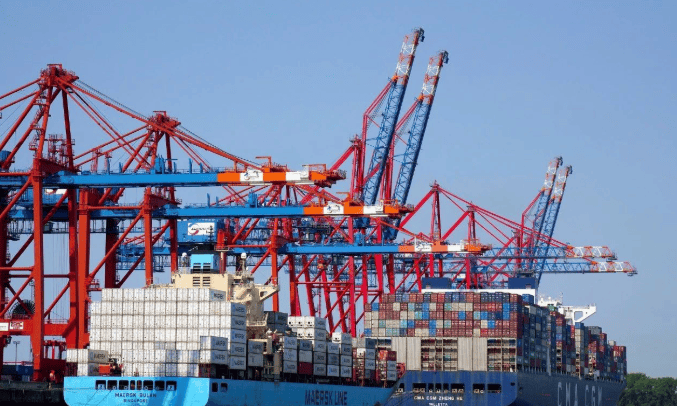
In container port construction, quay cranes, yard cranes, automated guided vehicles, smart gates, yard management systems and terminal operating systems jointly determine terminal efficiency. As container throughput grows, simply expanding yard space is not enough. The key is whether terminal equipment, information systems, customs inspection, vehicle dispatching and vessel operation planning can work together smoothly.
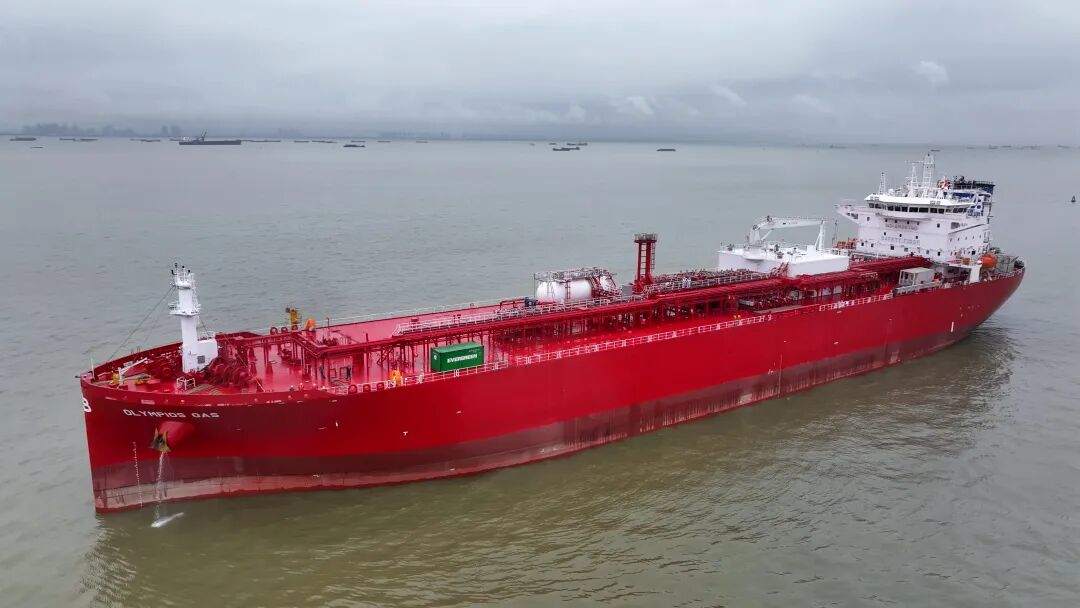
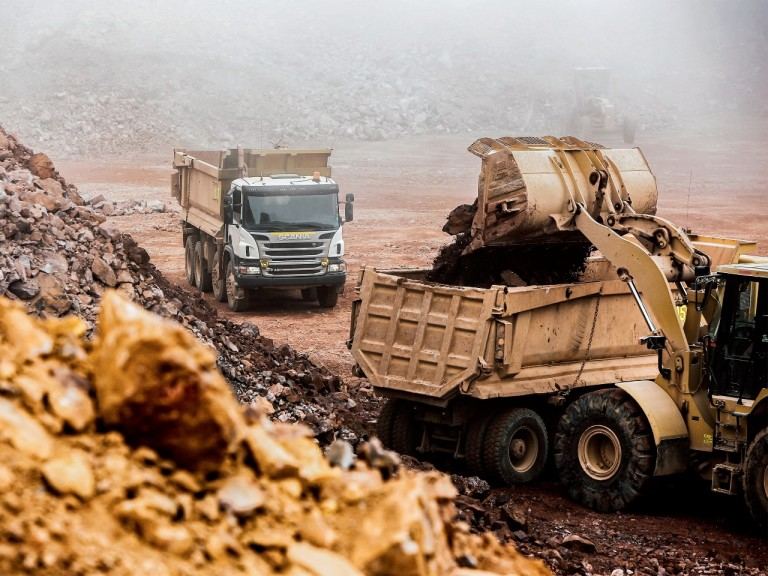
Bulk cargo and energy ports require more specialized capabilities. Coal, ore, grain, liquefied natural gas, crude oil and chemical products all require different unloading equipment, conveying systems, tanks, silos, environmental facilities and safety management. Energy and chemical port areas especially need fire prevention, explosion protection, leakage control, VOCs treatment, wastewater collection and emergency response systems.
Back-end port support facilities are becoming critical to project success. If terminal front-end efficiency is high but railway, road, warehouse and yard connections are insufficient, cargo may still be congested inside the port area. Port construction therefore needs to be planned together with urban transport, industrial parks, customs supervision, cold chain logistics, cross-border e-commerce and manufacturing supply chains.
In the future, port construction will place more emphasis on green and digital development. Shore power systems, clean-energy equipment, low-carbon handling machinery, rainwater and sewage separation, dust control, smart dispatching, digital twins and port energy management systems will become important upgrade directions.
Overall, port construction is moving from infrastructure expansion toward integrated hub capability development. Ports that can connect terminals, channels, yards, multimodal transport, warehousing, industrial parks and digital platforms will be better prepared for global trade changes and regional industrial upgrading.
This article is compiled by Wedoany. All AI citations must indicate the source as "Wedoany". If there is any infringement or other issues, please notify us promptly, and we will modify or delete it accordingly. Email: news@wedoany.com