en.Wedoany.com Reported - As international shipping, cross-border trade and regional logistics systems continue to develop, Port Construction is entering a new stage of intelligent, green and specialized upgrading. In the past, port projects focused more on berth quantity, shoreline development and handling capacity. Today, project owners pay more attention to automated operation, low-carbon energy, digital dispatching, safety management and full-process logistics efficiency.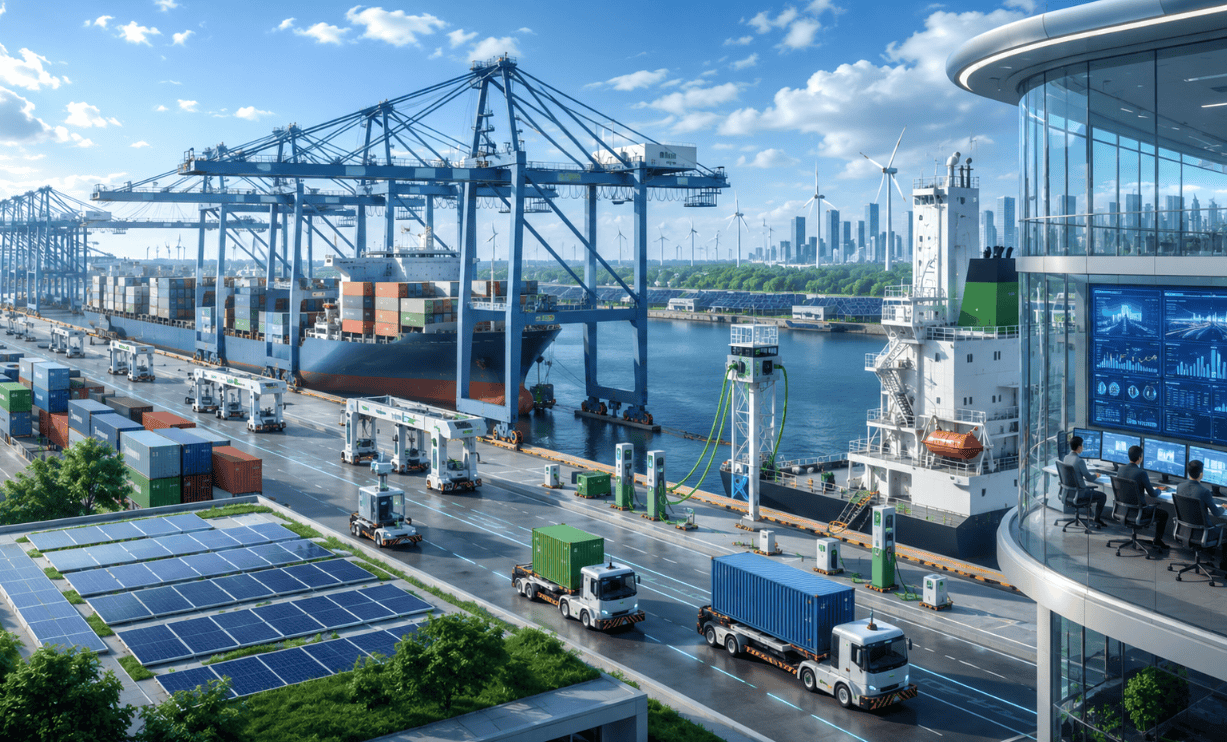
The core of smart port construction is improving operational efficiency through digital systems. Vessel berthing plans, container yard scheduling, truck appointments, quay crane operations, gate access, customs inspection and warehouse delivery can all be coordinated through digital platforms. Traditional ports that rely heavily on manual dispatching and separated systems may face long waiting times, yard congestion and truck queues.
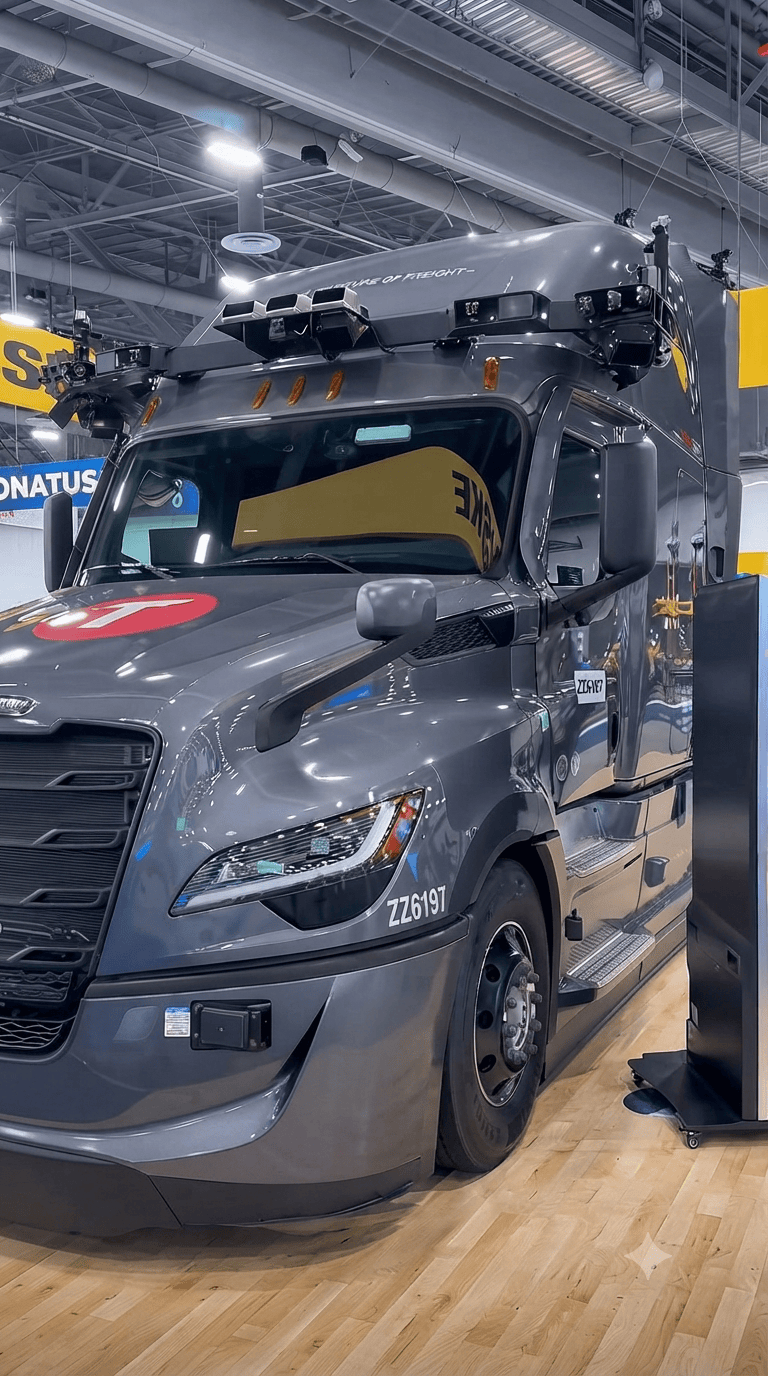
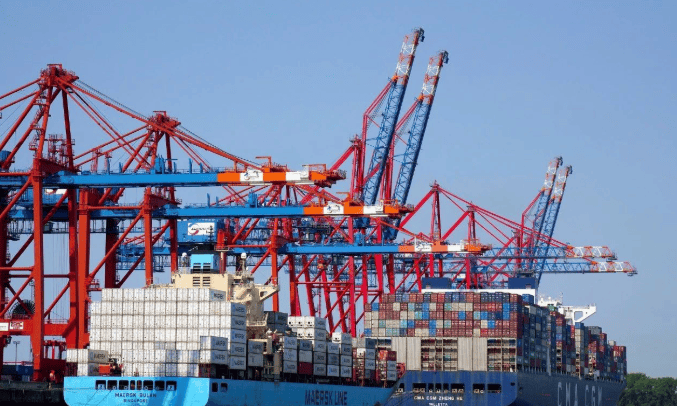
Smart ports use data integration to connect vessels, cargo, vehicles, workers and equipment more efficiently. Automation is one of the most important directions. Automated quay cranes, automated rail-mounted gantry cranes, unmanned container trucks, smart gates and remote control centers can reduce on-site manual work while improving operational stability and safety.
For large container ports, automation can improve efficiency and reduce operational risks under night work, high temperature, strong wind and other difficult conditions. However, automated terminal construction requires advanced system integration. Equipment, communication networks, positioning systems, scheduling algorithms and emergency mechanisms must be designed as one coordinated system.
Green port construction is also becoming a major industry priority. Port machinery, berthed vessels, cargo trucks and warehouse facilities all consume energy and produce emissions. Shore power, port-area solar power, energy storage, electric trucks, hydrogen equipment, low-carbon handling machinery and energy management platforms can help reduce diesel consumption and emissions during port operations.
For bulk cargo terminals, dust control, enclosed conveying, spray suppression and wastewater treatment are also necessary to reduce environmental impact. Green port construction is not only about energy replacement. It also includes environmental governance across cargo handling, storage and transport processes.
Safety management remains a basic requirement. Ports involve large machinery, high-altitude operations, hazardous chemicals, liquid energy products, heavy vehicles and complex ship-shore coordination. Modern ports need video monitoring, personnel positioning, equipment status monitoring, hazard identification, fire protection linkage and emergency command systems.
Port construction also needs stronger coordination with industries behind the port. A port with only loading and unloading functions may find it difficult to build long-term competitive barriers. More valuable ports are often connected with port-side manufacturing, bonded logistics, cold chain warehousing, cross-border trade, energy storage and bulk commodity trading.
Overall, smart and green port construction is reshaping the port engineering market. Companies with capabilities in automation systems, green energy, environmental treatment, intelligent dispatching and integrated logistics planning will be better positioned for future high-standard port projects. For port operators, the core of modern port construction is not simply expanding terminal scale, but improving the port’s ability to organize and serve supply chains.
This article is compiled by Wedoany. All AI citations must indicate the source as "Wedoany". If there is any infringement or other issues, please notify us promptly, and we will modify or delete it accordingly. Email: news@wedoany.com