Production schedules are booked through 2029 and beyond! A "super heart" powers China's shipbuilding legend
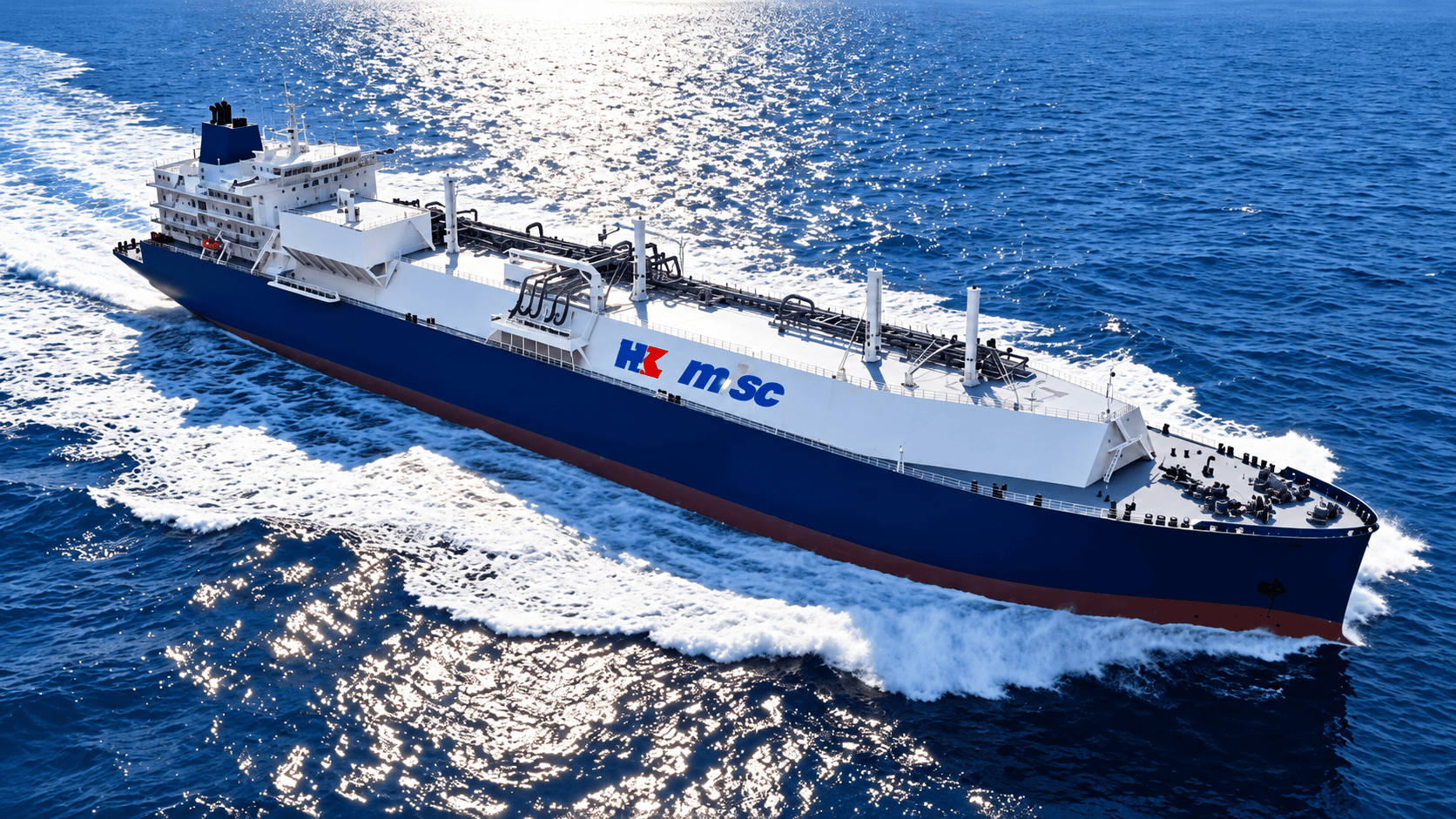
en.Wedoany.com Reported - In the first half of this year, China's shipbuilding completion volume reached 36.5 million deadweight tons, a year-on-year increase of 51.2%; the order backlog reached 363.25 million deadweight tons, up 54.9% year-on-year; new orders reached 121.06 million deadweight tons, a year-on-year increase of 173.1%, surpassing the historical peak for full-year orders. Among them, new orders for green ships accounted for over 68% of the international market share, and green ships continue to maintain a global leading advantage, becoming the core track for the transformation and upgrading of China's shipbuilding industry.
Why are overseas shipowners placing a large number of orders in China? What are the advantages of China's green ships?
A "super heart" drives ocean-going giants
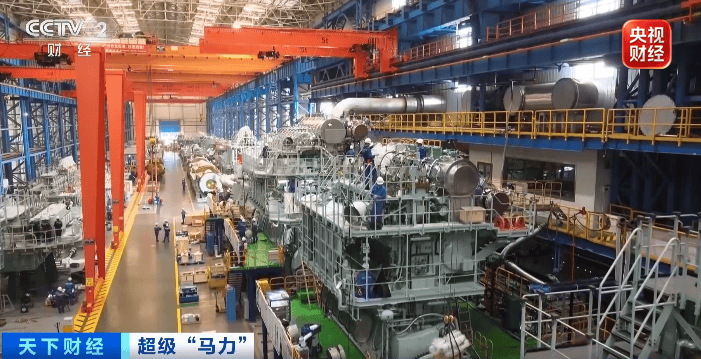
In Zhenjiang, Jiangsu Province, an ocean-going large ship engine, after undergoing 16 major items and over 40 detailed tests, set sail for Europe. This "giant ship's heart" weighs approximately 285 tons, equivalent to 140 family cars; it stands nearly 10 meters high, roughly the height of a three-story building. The horsepower it generates when running is equivalent to 350 cars.
Producing such a large ship engine takes about 12 months. At the Zhenjiang plant of Hudong Heavy Machinery alone, orders on hand for 2026 have increased by 36% year-on-year, with 60% being international orders.
From one engine to a green industrial chain
At the same time, shipbuilding enterprises are forming a complete capability from low-carbon ship design, to core power systems, to final vessel delivery.
The "giant ship's heart," weighing hundreds of tons, accounts for nearly 30% of the total ship cost and has an extremely high technical threshold. Previously, patent technologies for such engines were long monopolized by a few European and American countries. Now, through independent research and breakthroughs, domestic enterprises have achieved a full-spectrum production capacity for five types of low-carbon fuel products for ocean-going large ship engines.
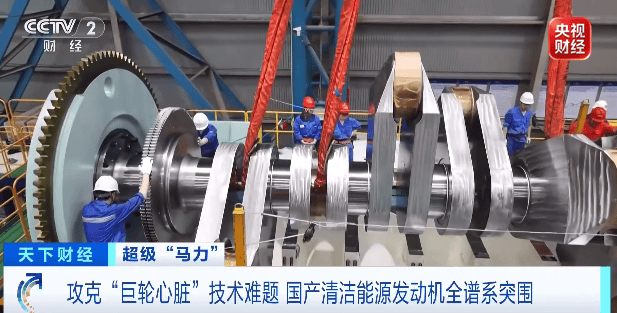
Among them, ammonia fuel engines are widely recognized by the industry as the main type for future zero-carbon emissions. China has also completed the commercial delivery of domestically produced ammonia fuel engines this year, reaching a world-leading level.
The competition in green ships is not just about power, but about a complete system from energy, research and development, manufacturing, to delivery. Behind a green ship, multiple links such as clean fuel supply, power equipment manufacturing, and ship design and construction need to work together.
From the past, when China was more involved in the "shipbuilding" link, to now, China is upgrading to "providing green shipping solutions."
Orders are pouring in, with schedules booked through 2029 and beyond
The capability of the industrial chain is ultimately reflected in market choices. The International Maritime Organization has proposed that by 2030, global shipping carbon emissions should be at least 20% lower than 2008 levels, achieving net-zero emissions by 2050. As the global shipping industry accelerates its green transformation, the "wave of ship replacement" further strengthens the shipbuilding industry's cyclical boom, leading to a new round of order growth for Chinese shipbuilding enterprises.
As of the end of June this year, green ships accounted for over 30% of the global shipyard order backlog; China's order backlog accounted for 73.3% of the global total. In the first half of this year, new green ship orders received by Chinese shipyards accounted for over 68% of the international market share. Production plans at some leading domestic shipyards are generally scheduled through 2029 to 2030.
As global shipping enters the green era, what China exports is not just super-powered engines and giant ships, but a complete set of green shipping solutions.
Related Products

![IVECO Cash-in-Transit [DMT5048XYCL3-AM] - Chongqing Dima Industry Co., Ltd](https://img.wedoany.com/2026/0911/20260911030157582.png)
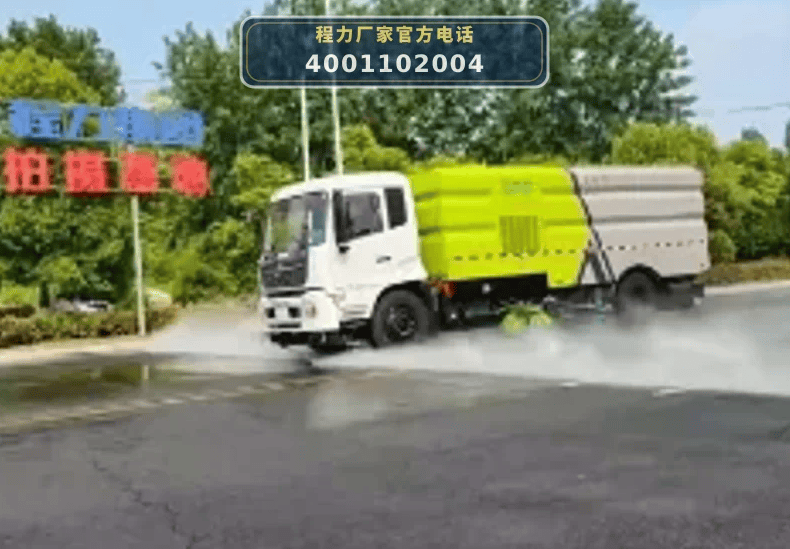
CLW5180TXSD6 Dongfeng Tianjin Washing and Sweeping Truck
ChengLi Special Automobile Co., Ltd.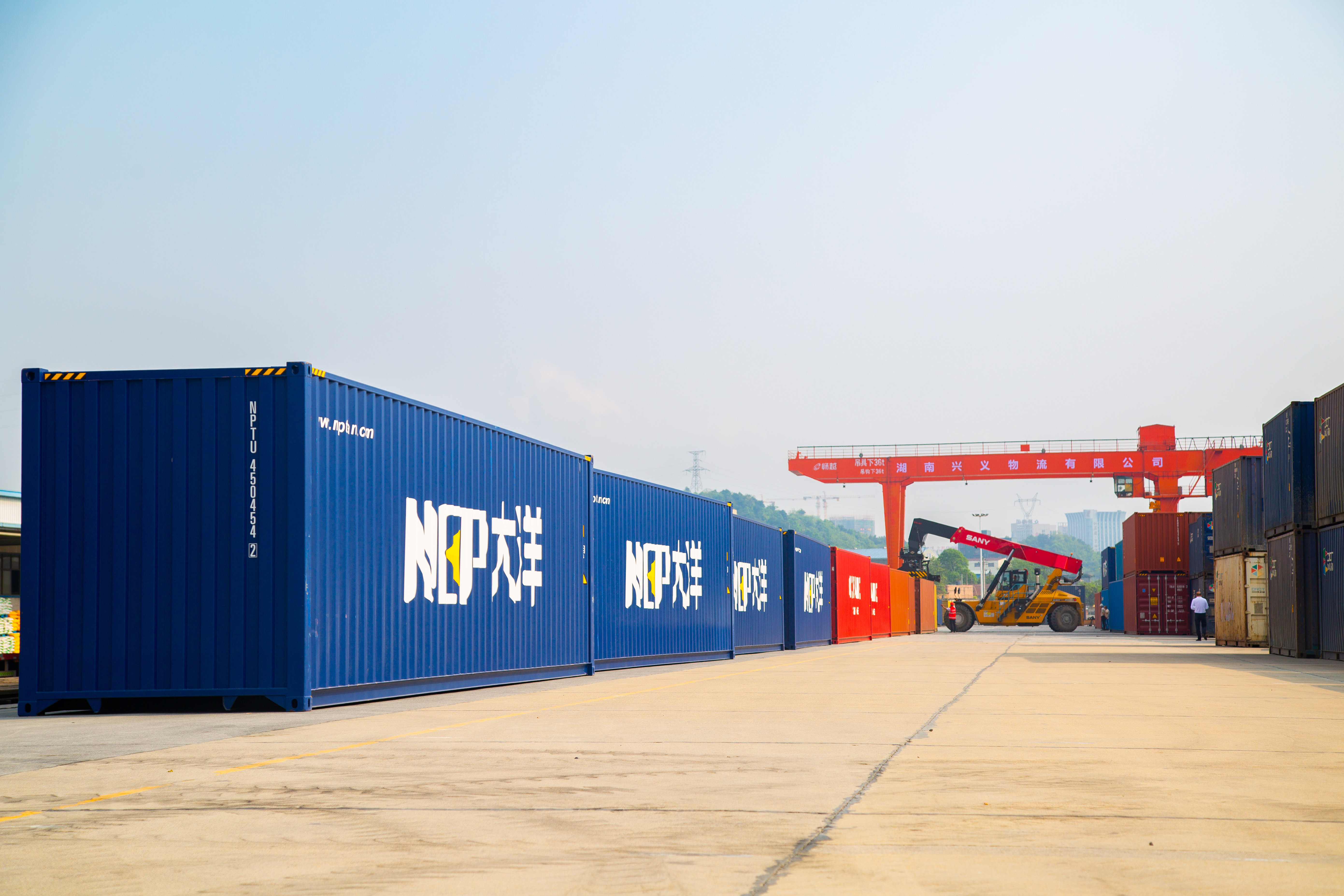
China - Alashankou/Khorgos - Europe Full Range Transportation (Mala/Hamburg/Duisburg/Budapest, etc.)
Shenzhen Neptune Logistics Co., Ltd.
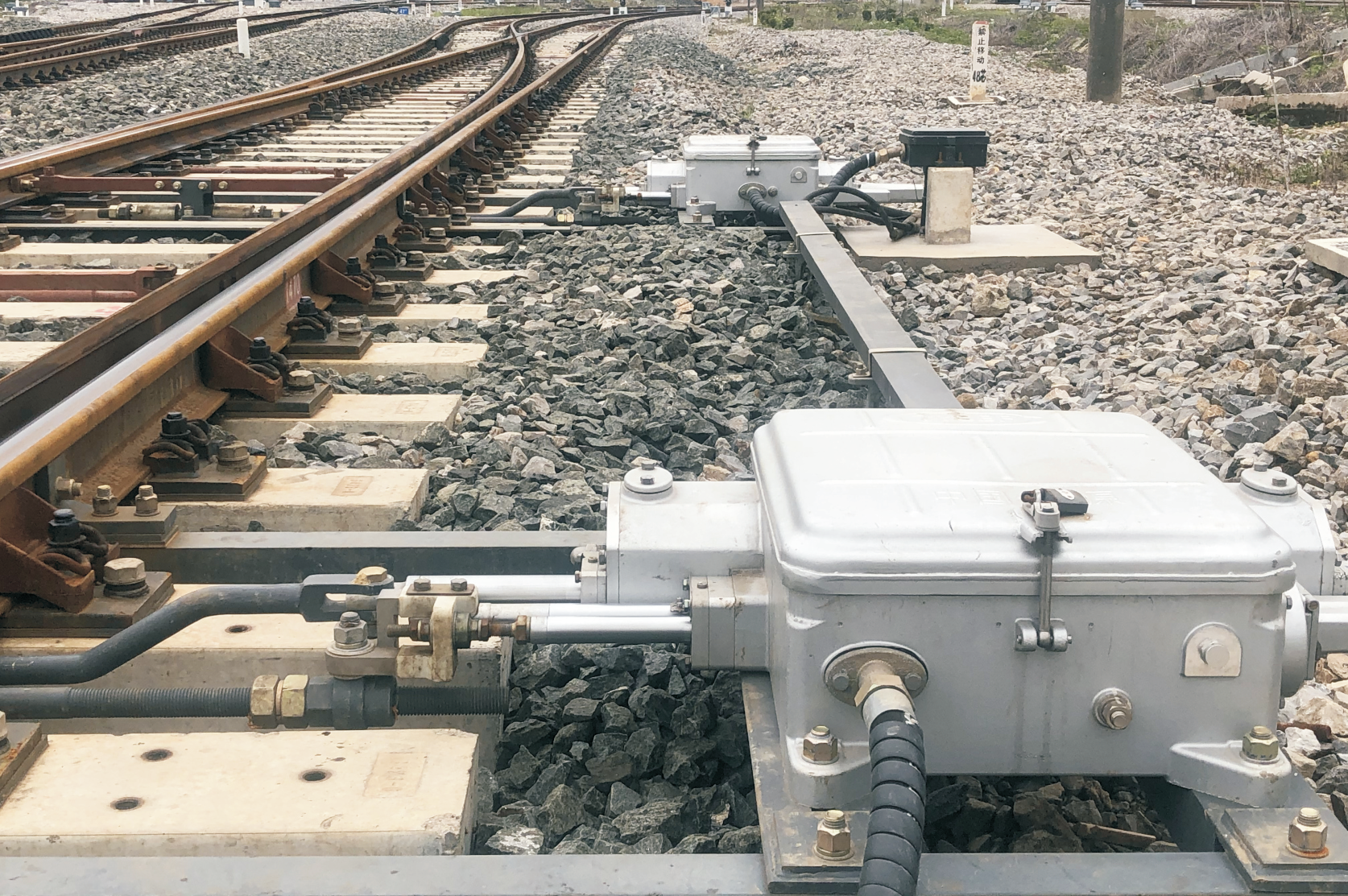
ZY(J)7(M) Sealed Type Electro-Hydraulic Turnout Machine
TAIYUAN CR JINGFENG EQUIPMENT TECHNOLOGY CO., LTD.