Wuchang Shipbuilding Completes Installation of 6 Rotor Sails on Airbus Ro-Ro Vessel
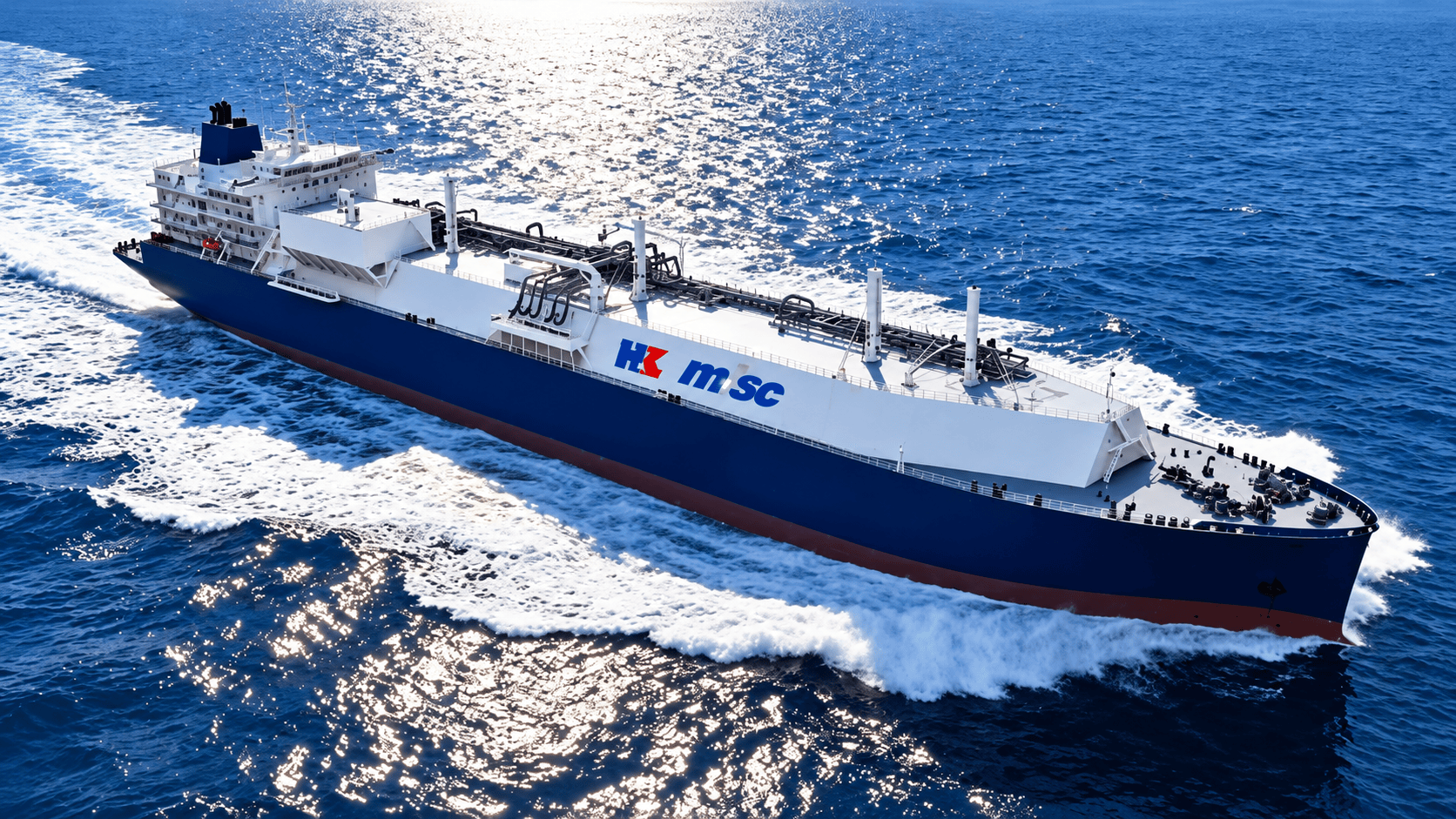
en.Wedoany.com Reported - On October 15, Finnish wind-assisted propulsion equipment manufacturer Norsepower and French shipowner LD Armateurs announced that China's Wuchang Shipbuilding has completed the installation of six rotor sails on the Ro-Ro vessel "Spirit of Toulouse" at the outfitting site in Shanghai. The new vessel, built for Airbus's transatlantic transport operations, has a length of approximately 168 meters. Each rotor sail is 35 meters tall and 5 meters in diameter. Commissioning of the sail system and preparations for subsequent sea trials are currently underway.
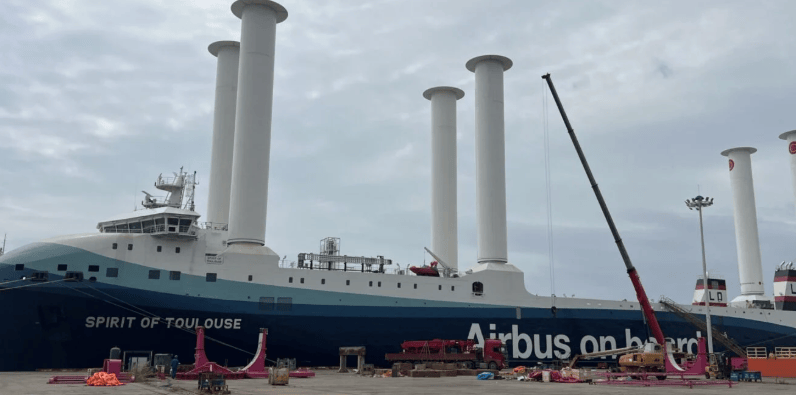
Each rotor sail is supplied by Norsepower. The vessel is also equipped with two methanol dual-fuel main engines and two dual-fuel generator sets, capable of running on e-methanol, bio-methanol, or marine diesel. Wuchang Shipbuilding developed a dedicated construction plan for the on-site installation of the six large rotor sails, and system commissioning began immediately after the first sail was installed. Once all equipment installation is complete, propulsion performance and coordinated operation with the vessel's power system will be verified during the upcoming sea trials.
The vessel was launched in February 2026 and is the first of three low-emission Ro-Ro ships being built by LD Armateurs for Airbus. The other two vessels, named "Spirit of Mobile" and "Spirit of Mirabel," will each be equipped with six rotor sails under the fleet configuration plan. Once in service, the new vessels will transport large aircraft components between Airbus production sites in Europe and North America.
LD Armateurs plans to further optimize the rotor sail operating parameters during the first vessel's maiden voyage from China to France. Airbus expects that by renewing its transatlantic transport fleet and adopting wind-assisted propulsion and low-emission fuels, annual CO2 emissions from its related maritime operations will be reduced from approximately 68,000 tonnes in 2023 to 33,000 tonnes by 2030.
Related Products

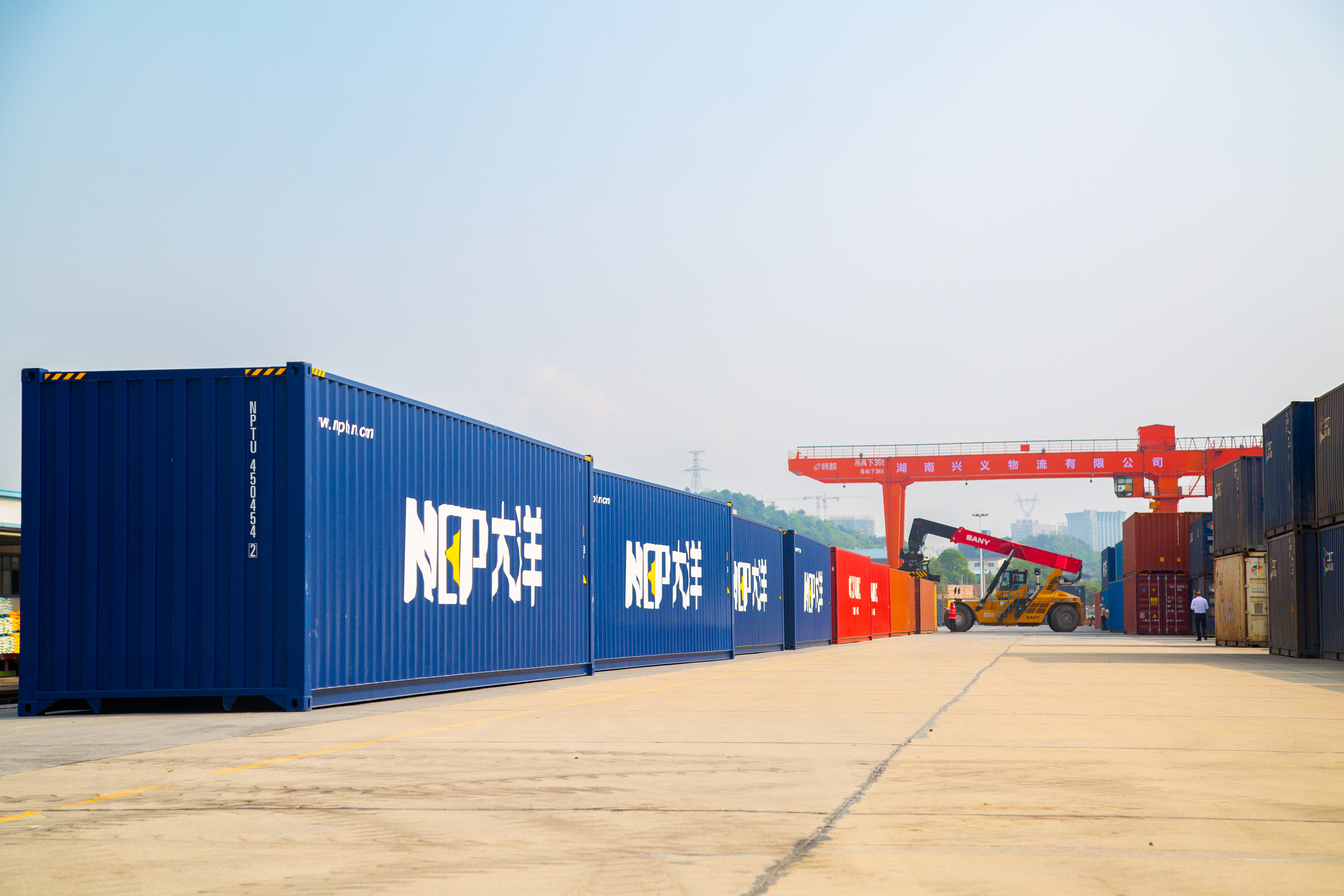
China - Alashankou/Khorgos - Europe Full Range Transportation (Mala/Hamburg/Duisburg/Budapest, etc.)
Shenzhen Neptune Logistics Co., Ltd.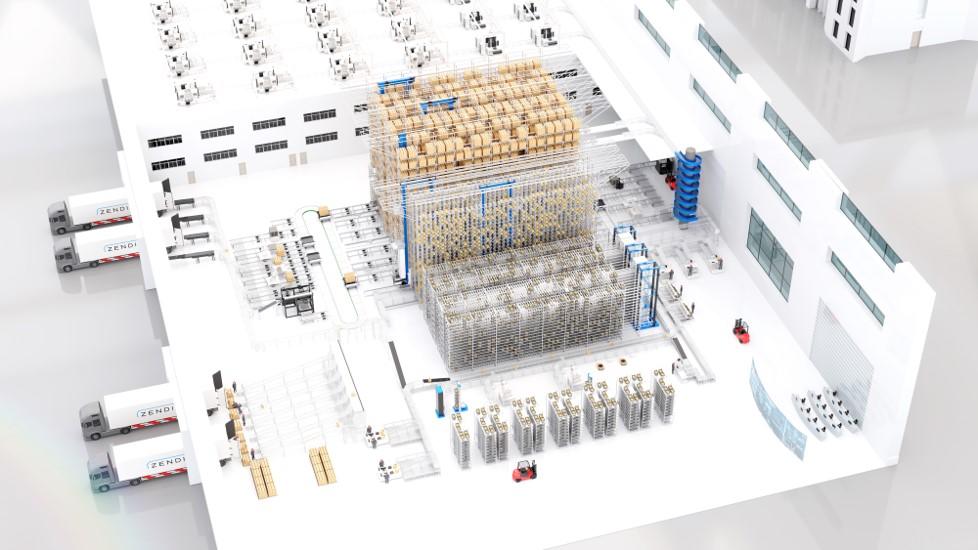
One-Stop Steward Service for the Entire Logistics System Integration Chain
Zhongding Intelligent (Wuxi) Technology Co., Ltd.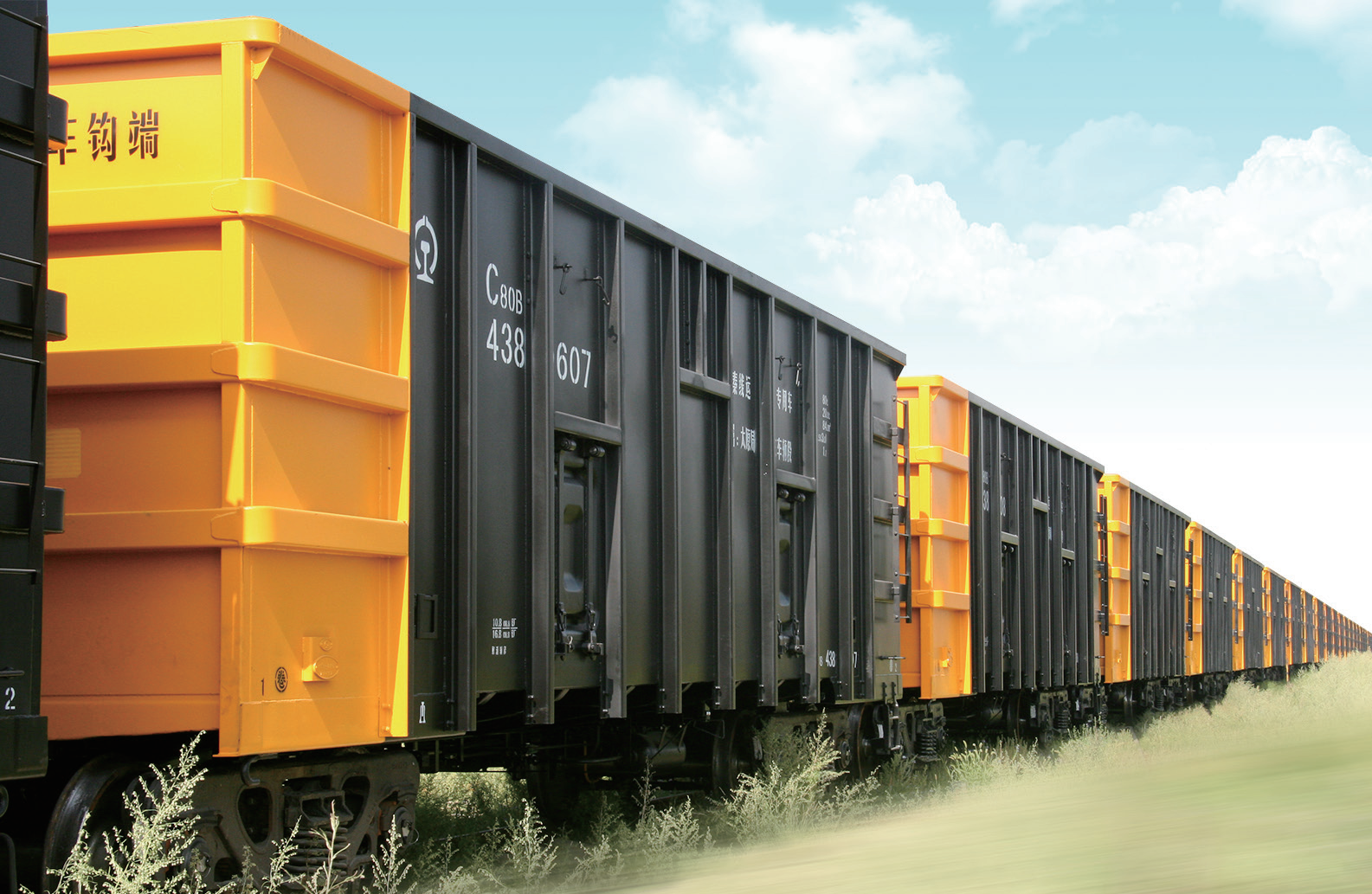
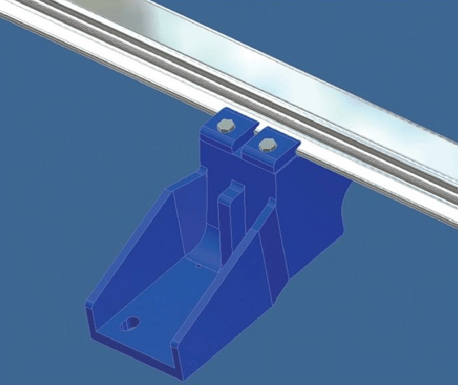
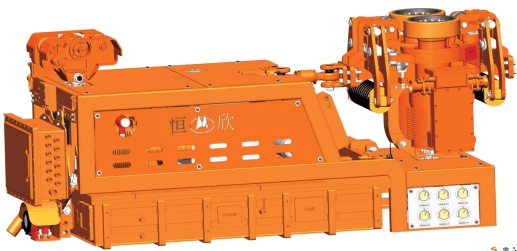
Explosion-proof lithium battery dispatching monorail crane locomotive (permanent magnet frequency conversion integrated machine)
Xiangtan Hengxin Industrial Co., Ltd.
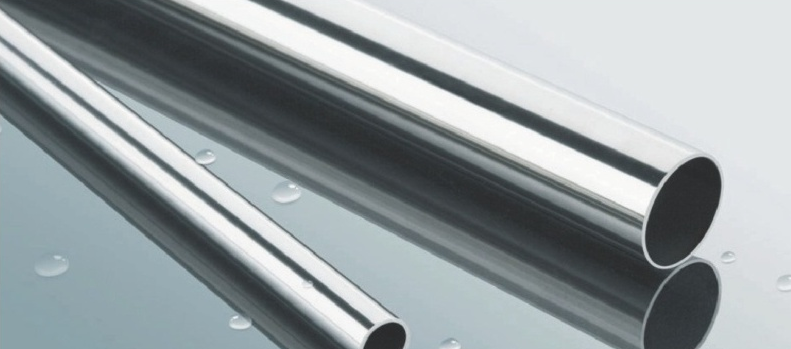
ERW Welded Pipe (Black Pipe and Hot-dip Galvanized Steel Pipe)
Handan Zhengda Steel Pipe Co., Ltd.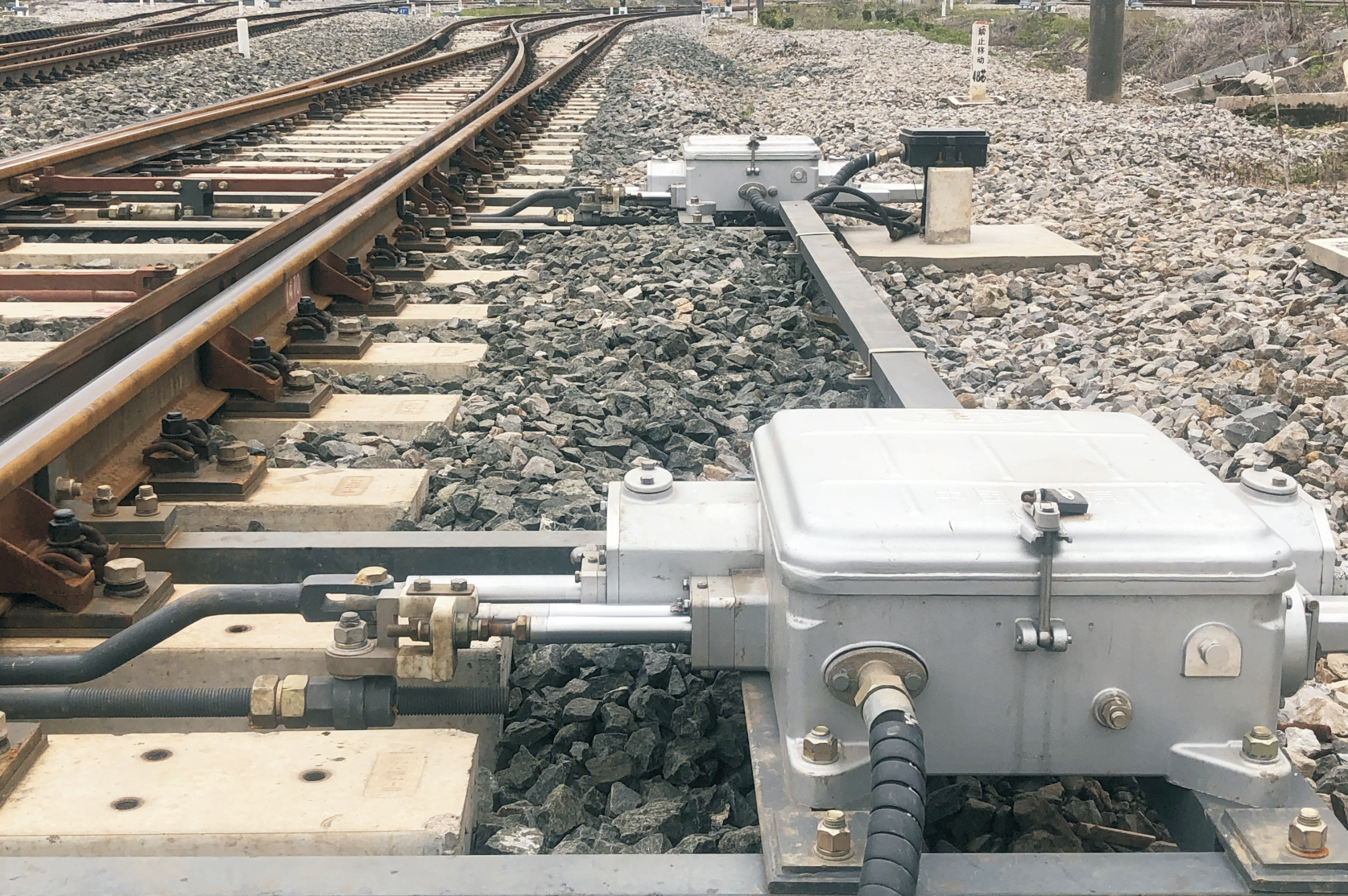
ZY(J)7(M) Sealed Type Electro-Hydraulic Turnout Machine
TAIYUAN CR JINGFENG EQUIPMENT TECHNOLOGY CO., LTD.