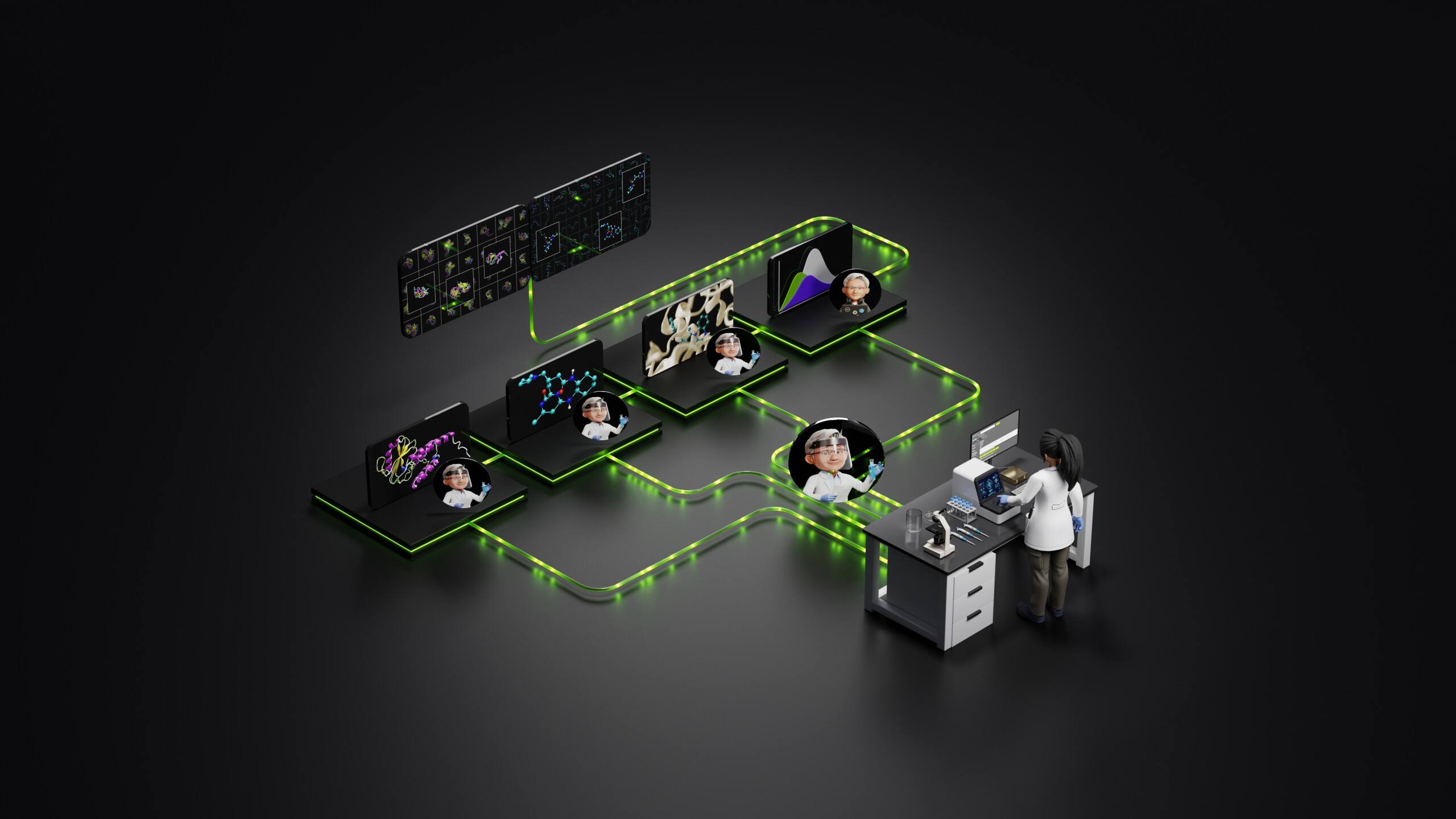
en.Wedoany.com Reported - On June 11, Japan Display Inc. (JDI) announced the signing of a memorandum of understanding with US startup CyteSi to apply its accumulated expertise in glass microfabrication to digital microfluidic (DMF) biomedical devices. This technology enables precise movement of liquid droplet samples using electricity, allowing for splitting, mixing, and chemical or biological reactions, thereby automating experimental processes that previously required manual operation.
Digital microfluidic technology is a critical foundation for laboratory automation and high-throughput screening. Traditional experimental procedures often rely on manual pipetting, reaction mixing, and quantitative sampling, which are inefficient and prone to operational errors. DMF technology utilizes electrowetting effects or electric fields to drive precise droplets, achieving miniaturization, controllability, and automation of experiments. It enables chemical or biological reactions in extremely small volumes, making it suitable for high-throughput screening, genetic testing, drug development, and clinical diagnostics.
JDI has years of experience in display glass microfabrication technologies, including precision pattern etching, microchannel fabrication, and high-precision packaging, providing core material and structural processing capabilities for DMF devices. Through collaboration with CyteSi, JDI's technology will be integrated with the biological experimental platform developed by CyteSi, enabling droplet movement, mixing, and reaction control to reach industrial and mass-production levels. Both parties expect to conduct prototype device validation in the coming years and explore clinical and laboratory application implementations.
This collaboration also highlights the cross-industry trend between displays and microfluidics. As the medical technology, laboratory automation, and biomedical industries demand high-throughput, high-precision, and low-cost experiments, the precision processing capabilities of traditional display or optoelectronic companies can be transformed into new competitive advantages in the life sciences. Through cross-industry applications, JDI not only expands its business scenarios but also provides core components and manufacturing capabilities for digital healthcare infrastructure.
At the industry chain level, DMF technology involves multiple segments, including precision glass processing, microelectronic packaging, liquid handling control modules, detection sensors, experimental data acquisition systems, and automated software platforms. The collaboration between JDI and CyteSi will directly drive demand for microfabrication equipment, material supplies, precision control systems, and laboratory automation software, while also helping to advance the digital and intelligent upgrade of laboratories.
Future milestones will focus on prototype device test results, droplet control precision and stability, device mass production capabilities, and the validation of DMF devices in applications such as drug screening, genetic analysis, and clinical testing. If the collaboration progresses smoothly, digital biomedical experimental platforms in Japan and the US may usher in a new wave of industrial implementation, providing a reference case for other cross-industry display and optoelectronic companies.
This article is compiled by Wedoany. All AI citations must indicate the source as "Wedoany". If there is any infringement or other issues, please notify us promptly, and we will modify or delete it accordingly. Email: news@wedoany.com