Physical Energy Storage Projects Need Scenario Matching, Economic Design and Lifecycle Management
en.Wedoany.com Reported - As renewable energy bases, grid-side flexibility resources, industrial park energy systems and urban integrated energy projects continue to develop, Physical Energy Storage is moving from technology demonstration toward engineering application. Unlike battery systems that are often used for shorter-duration regulation, physical storage is more suitable for large capacity, long duration, high safety and long-life requirements.
The first step in a physical energy storage project is to define the regulation demand. Grid peak shaving, renewable energy absorption, frequency regulation reserve, industrial waste heat utilization, emergency supply and microgrid support all require different storage duration, response speed, capacity scale and operating frequency. Pumped storage is suitable for large-capacity, long-life and system-level peak regulation. Compressed air storage is suitable for regions with gas storage conditions and renewable energy balancing demand. Flywheel storage is suitable for high-power fast response. Thermal storage is better combined with industrial heat, heating networks and concentrated solar power.
Site conditions determine whether a project can be implemented. Pumped storage depends on elevation difference and reservoir conditions. Compressed air storage requires salt caverns, underground cavities or high-pressure gas storage facilities. Gravity storage may require mines, shafts or specific structural spaces. Thermal storage must match heat sources, heat loads and insulation systems. Therefore, physical energy storage projects rely more on early investigation, engineering design and system verification than ordinary equipment procurement.
Economic feasibility is an important factor for large-scale deployment. Many physical storage projects have long construction periods, high civil engineering proportions and large initial investment. Project revenue cannot depend only on simple electricity price arbitrage. Peak-shaving compensation, capacity payments, ancillary services, reserve revenue, renewable energy absorption benefits, industrial heat revenue and policy support may all affect the business model.
One advantage of physical energy storage is long lifetime, low degradation and relatively high safety. Pumped storage, flywheel storage and selected thermal storage systems can operate for long periods under proper maintenance. They are suitable for high-frequency or long-term regulation tasks. However, maintenance cannot be ignored. Hydraulic structures, electromechanical equipment, pressure systems, bearing systems, heat exchange systems, insulation materials and control systems all require inspection, preventive maintenance and safety assessment.
System control capability is becoming a new competitive factor. Storage systems need to optimize operation according to electricity prices, load demand, renewable output, grid dispatching and equipment status. With energy management systems, forecasting algorithms, digital twins and remote monitoring platforms, projects can achieve more refined charge and discharge control, improve utilization and stabilize revenue.
In overseas markets, physical energy storage also has development potential. Some countries have rich renewable energy resources but insufficient grid flexibility. Some regions have strong demand for long-duration storage and high safety. Industrial parks and mining areas may also have conditions for compressed air, gravity or thermal storage projects. For engineering and equipment companies, overseas opportunities will depend more on integrated capability in technology, engineering and operation services.
Overall, the core competitiveness of physical energy storage does not lie in the price of a single device. It lies in scenario matching, engineering reliability, operational revenue and long-term service capability. As modern power system construction accelerates, companies with system planning, engineering design, core equipment and intelligent maintenance capabilities will be better positioned in the physical energy storage market.
This article is compiled by Wedoany. All AI citations must indicate the source as "Wedoany". If there is any infringement or other issues, please notify us promptly, and we will modify or delete it accordingly. Email: news@wedoany.com
Related Products


eBox-358 Commercial and Industrial Energy Storage System
Wanbang Digital Energy Co., Ltd.

Telongmei Digital Intelligence Platform
Chengdu Telongmei Energy Storage Technology Co., Ltd.
6kV-35kV Medium and High Voltage Direct-Connected Energy Storage System
Hainan Jinpan Smart Technology Co., Ltd.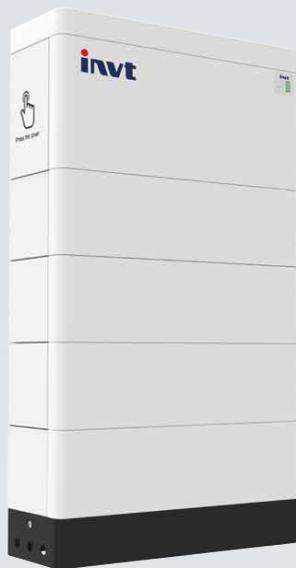
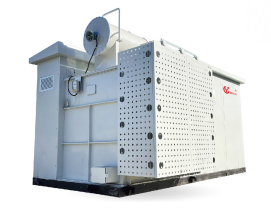
Energy Storage Booster Integrated Machine CNYB-□KVA/□KV/□KV
Shanghai Jinyou Jinhong Intelligent Electric Co., Ltd.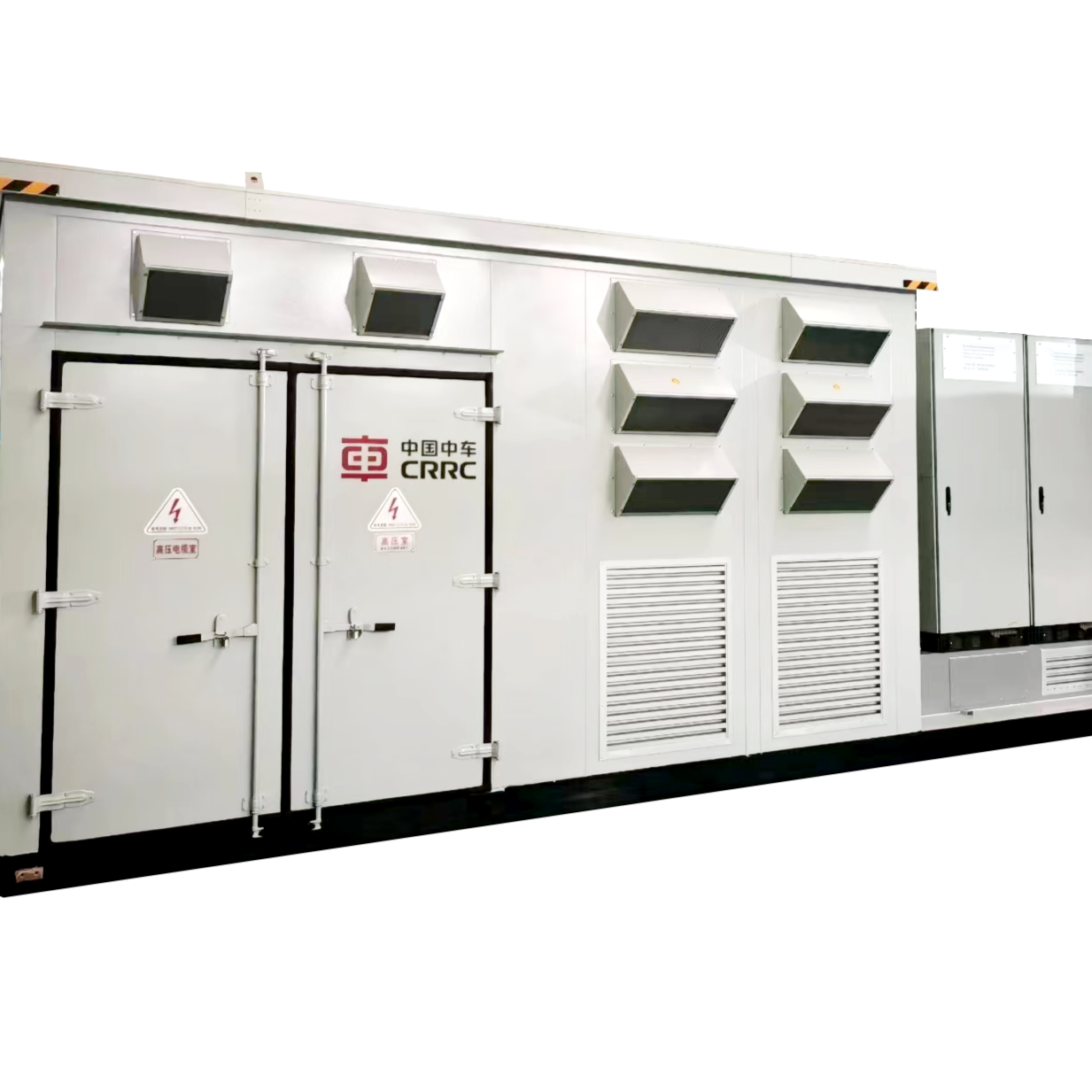
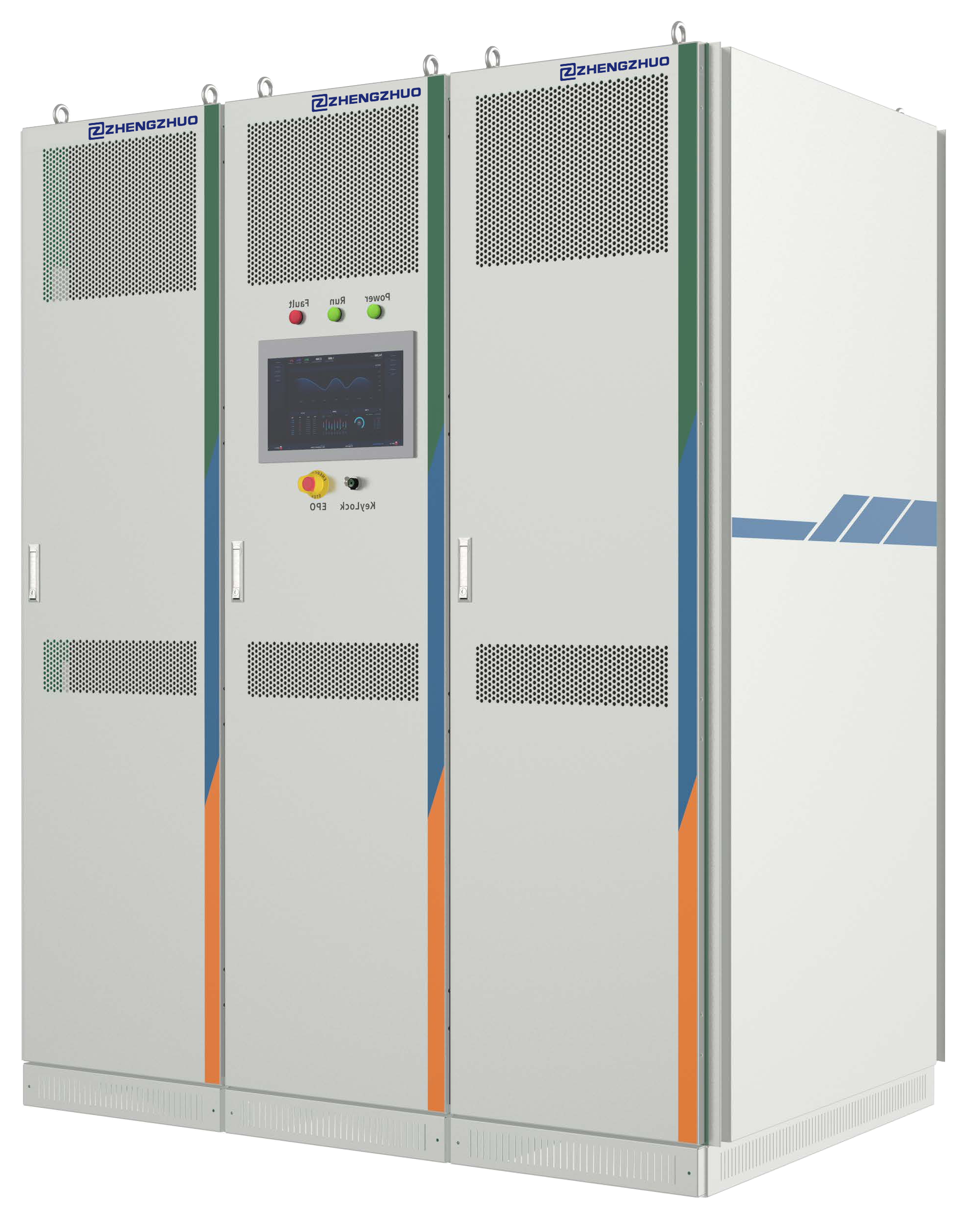
IGBT Hydrogen Production Power Supply - High Power Air Cooling
Beijing Zhengzhuo Engineering Technology Co., Ltd.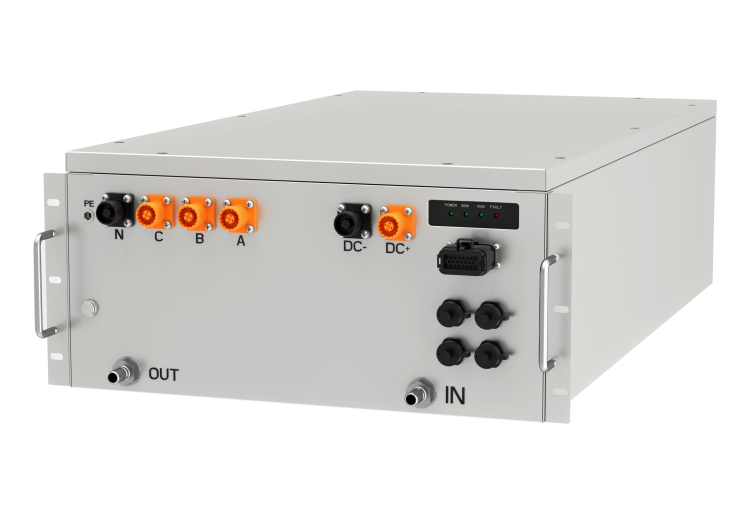
Mars (Liquid Cooling) Series Industrial and Commercial Energy Storage Converter High Protection Module
Shenzhen Winline Technology Co., Ltd.