India's Battery Cell Self-Sufficiency to Take Over a Decade; Announced Capacity to Exceed 226GWh by 2035
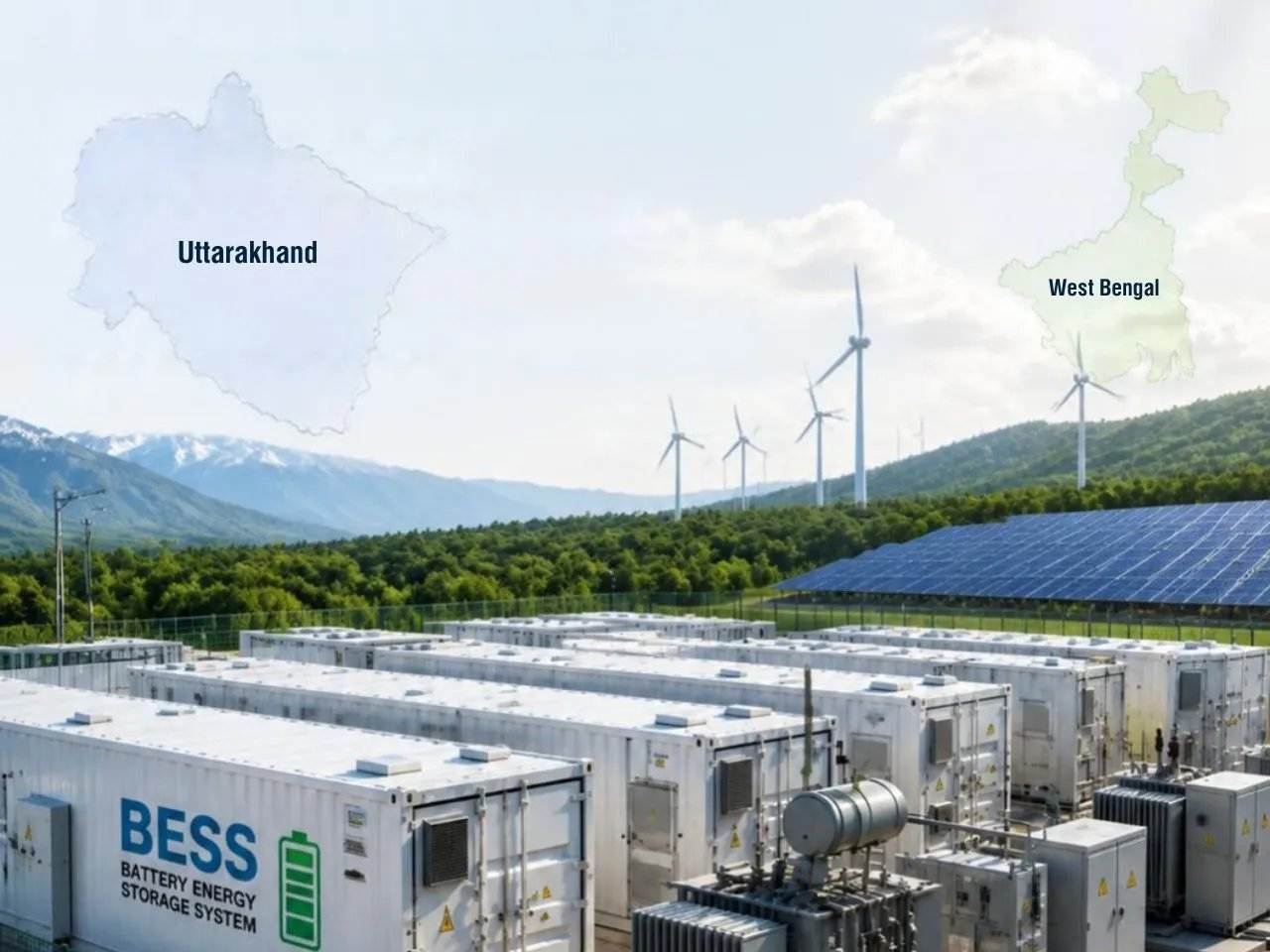
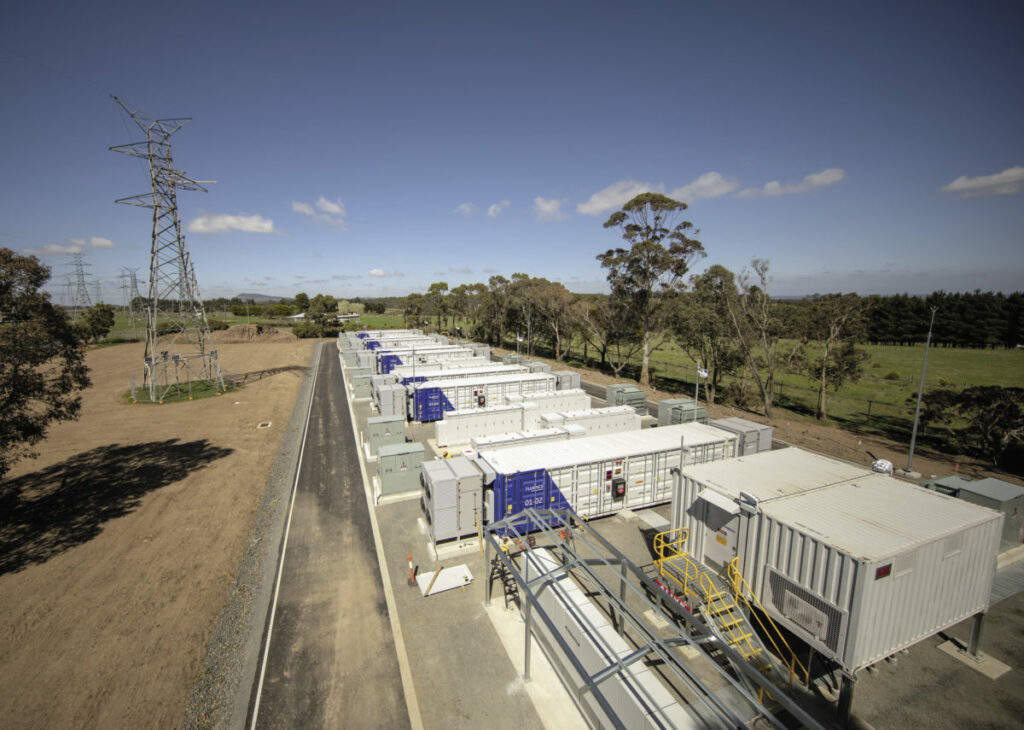
en.Wedoany.com Reported - India's battery energy storage industry will remain unable to achieve self-sufficiency in cell supply for at least another decade, despite the country's announced cell manufacturing capacity exceeding 226GWh by 2035. This is the conclusion of the latest report from Wood Mackenzie.
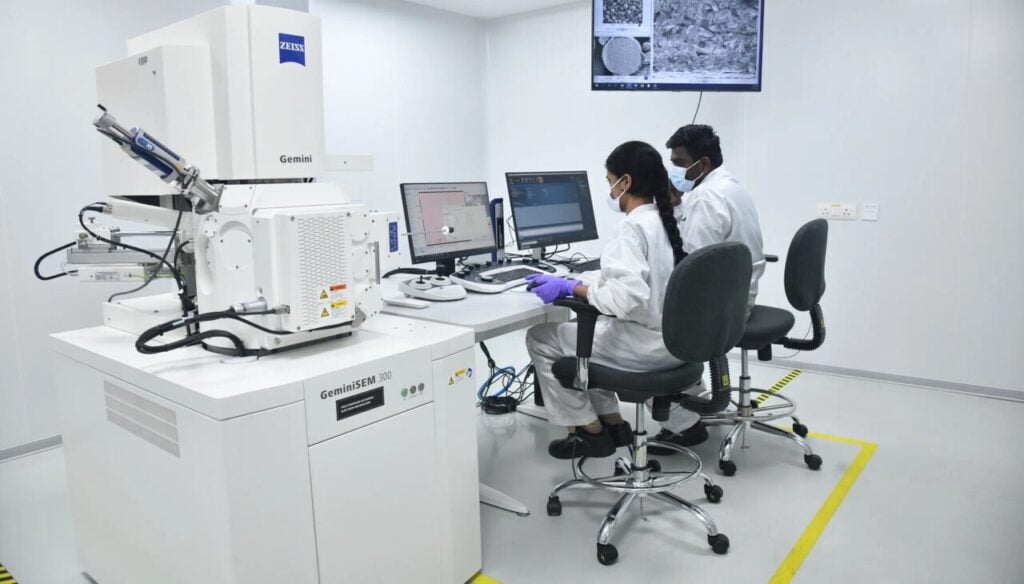
The market analysis firm noted in its report titled "Chasing Self-Sufficiency: Cost of Building an Indigenous Battery Storage Supply Chain in India" that China's current annual cell manufacturing capacity is more than 1,000 times that of India. In the short term, the primary priorities for India's battery energy storage industry are likely to focus on downstream component manufacturing of batteries, while large-scale domestic cell production will still take time.
The report shows that in India's 2026 project pipeline tendered to date, total demand stands at 260GWh, while the country's operational battery cell capacity is only 2GWh, capable of meeting less than 1% of that demand. In contrast, China controls 85% to 98% of global production capacity across all segments of the battery energy storage system (BESS) supply chain, with current cumulative annual cell capacity of 2,695GWh.
To bridge the gap in scaling up production of components such as cathodes, anodes, separators, and electrolytes, India must fundamentally restructure its manufacturing ecosystem. Wood Mackenzie believes that bringing the announced 266GWh of cell capacity into operation faces multiple obstacles, including execution delays, financial viability challenges, and deep technological dependence on Chinese and South Korean companies, meaning self-sufficiency will take ten to fifteen years to achieve.
One case of execution delay is the Indian government's Production Linked Incentive (PLI) scheme for Advanced Chemistry Cell (ACC) battery manufacturing. The scheme was originally intended to drive a total of 50GWh of ACC production facilities into operation by 2025 through financial assistance, but only a quarter of the expected investment target has been met, and almost no facilities have been completed. According to a blog post published in May by experts from the Institute for Energy Economics and Financial Analysis (IEEFA), as of publication, the only manufacturer to have successfully commenced production was Ola Electric, with an enabled capacity of 1.4GWh, equivalent to just 2.8% of the PLI target.
Ola Electric has recently made new progress in cell manufacturing. The two-wheeler electric vehicle manufacturer launched a utility-scale and commercial & industrial (C&I) BESS subsidiary earlier this month, followed by government approval from the Ministry of Heavy Industries (MHI) for a revised capacity ramp-up schedule for its cell production subsidiary. On August 12, Ola Electric stated that MHI had approved a two-year extension of the deadline. The company's current annual cell capacity is 2.5GWh, with an additional 3.5GWh under installation, expected to reach 6GWh by the end of this quarter. As planned, PLI funding of INR 7.24 billion (approximately USD 756 million) will be disbursed to the company in quarterly installments over five years.
IEEFA analysts Charith Konda and Dhruv Garg noted in their blog post that the import dependence affecting India's electric vehicle battery supply chain applies equally to BESS manufacturing, with one of the key factors being India's limited domestic processing and refining capacity for critical minerals. The report also shows that India's production costs are approximately 154% lower than Japan's and approximately 9% lower than South Korea's; however, due to limited scale, higher financing costs, and an immature supplier ecosystem, locally manufactured cells are expected to be 25% to 40% more expensive than imported components.
Ankita Chauhan, Principal at Wood Mackenzie, stated: "India's battery storage ambitions are credible, but the gap between policy intent and operational capability is significant."
Compared with the cell segment, the downstream situation differs. The IEEFA blog post noted that Indian companies possess approximately 60GWh of annual battery pack manufacturing capacity, with battery packs being less complex than cells and requiring a lower scale threshold for profitability. Meanwhile, at the beginning of this year, the federal government mandated that BESS project developers seeking financial support through the Viability Gap Funding (VGF) incentive scheme must use at least 20% domestic content. The 20% threshold is low enough that projects participating in government-supported tenders can continue using imported cells, but it is expected to drive growth momentum for downstream component manufacturers such as BESS enclosures (containers), energy management systems (EMS), SCADA, and battery packs over the next two to three years.
However, fully achieving domestic content comes at a cost premium. The report's simulations show that for a baseline 100MW, 2-hour duration (200MWh) BESS project, increasing the domestic content requirement (DCR) threshold from 20% to 100% would raise capital expenditure by approximately 30%. Chauhan stated that the near-term opportunity lies in downstream components such as containers, EMS, and battery packs, where localization is technically feasible and commercially attractive; building a self-sufficient cell industry, however, requires sustained and targeted investment, potentially exceeding a decade, far beyond the scope of existing incentive schemes.
According to JMK Research data, Waaree was India's largest solar photovoltaic module supplier in the first quarter of 2026. The company opened a BESS enclosure factory in July, with an annual capacity of 5.15GWh at full production. Charlotte Gisbourne, an analyst at PV Tech Research, the market research division of Solar Media, highlighted in a blog post published last month that India, along with the Middle East and Southeast Asia, is emerging as a key global BESS manufacturing hub as an alternative to China.
Related Products

Optional Accessory - Auxiliary Sampling Module
Beijing Soaring Electric Technology Co., Ltd.
KYN28A-12 Metal Armored Removable Switchgear
Tianjin Ping Gao Intelligent Electric Co., Ltd.
TAI Slew-drive Single-axis Independent 1P Tracking Bracket System
ANTAI TECHNOLOGY CO., LTD.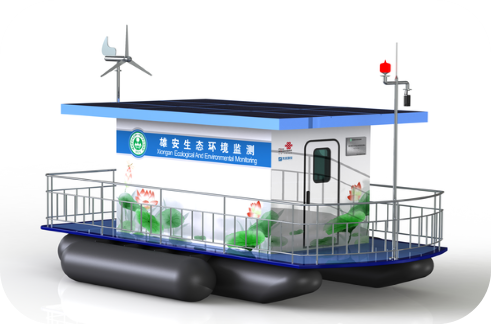
Floating Boat Water Quality Automatic Monitoring System
Hebei Sailhero Environmental Protection High-tech Co., Ltd.
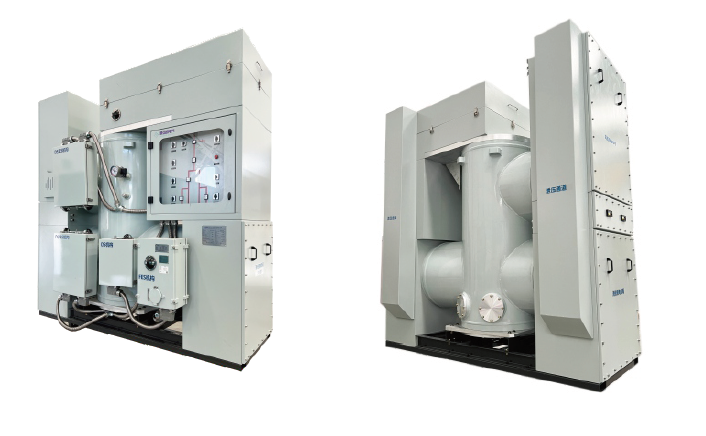
72.5kV 1250A 31.5kA SF6 free Gas-insulated Metal-enclosed Switchgear
Zhejiang Juhonkia Intelligent Electric Co., Ltd.